Thursday, October 15, 2026
Advertisement
Home Blog Page 96

TSU’s Aristocrat of Bands Makes History as First HBCU Band to Win Grammy for ‘Best Roots Gospel Album’

Compiled–The 65th Grammy Awards kicked off with a historic win as

Tennessee State University Aristocrat of Bands became the first HBCU marching band to win a Grammy Award on Sunday, Feb. 5. They are also the first marching band to win the Best Roots Gospel Album category for The Urban Hymnal.

The Urban Hymnal/  “Hymnal” was co-produced by songwriter/producer Dallas Austin, artist/songwriter/producer Sir the Baptist and TSU professor Larry Jenkins.

Sir the Baptist, a contemporary artist and songwriter, accepted the award on behalf of the organization.

From the podium, Sir the Baptist heaped praise on the young members of the band, calling them “so deserving.”

“These kids worked so hard,” he said. “And to be honest with you guys, HBCUs are so grossly underfunded, to where I had to put my last dime in order to get us across the line. My cousin got us across the line, even when I gave all. We’re here with our pockets empty, but our hands aren’t!”

During his speech, Professor Jenkins also acknowledged and thanked his students, saying “Your hard work and dedication created the pen that allowed you to write your own page in the history books.”

“We all know we made history, but this is also February. We also made Black history.”

The full “Aristocrat of Bands” wasn’t able to accept their win in person, but TSU held an official watch party on campus Sunday afternoon. Video shared on social media shows dozens of students leaping to their feet as the winner is called, quickly breaking into a chant of “AOB! AOB!”

Hamilton County Property Taxes are Due–Are You Taking Advantage of Relief Programs?

If you’re a homeowner or a property owner in Hamilton County–whether in a municipality like Chattanooga, East Ridge, Red Bank, or others–or in the unincorporated area, February is not only known for Black History celebrations or Valentine’s Day. It’s also the month our property taxes are due.

Yes, the adage is true–two things are for certain–death and taxes. But are you eligible for property tax relief administered to those who meet criteria set by state law?

In Hamilton County Trustee Bill Hullander’s office, terrific men and women serve essentially as our county government’s bank. One of their responsibilities is to receive our property tax payments.

Trustee Hullander’s office also assists with some good news for vulnerable populations who qualify because of either their age or disability status, which are income-based, or their service to Americans in the US Military which resulted in a permanent disability, which is viewed as sacrifice-based.

Tennessee property owners who are 65 years of age and older or have a status of permanently and total disabled are eligible if they meet income qualifications for relief on the property that is their primary residence. The maximum income allowed to receive property tax relief is $31,600 for tax year 2022, to be filed in 2023.

Men and women who have served in the US Armed Forces, or their surviving spouses, have no income limitations but must be deemed by the Veterans Administration to have a permanent and complete disability that is service related. This benefit is also extended to the surviving spouse of the Veteran.

For those who believe this Tennessee program may apply to you, visit the Tennessee Comptroller’s Office website to review the qualifying criteria. Also understand there are caps for both programs, meaning that for both, the elderly/disabled tax relief program and the disabled Veteran tax relief program, there are limits to the values of homes that qualify for relief beyond the income limit.

If, after reviewing this information, you believe you are eligible, continue to read information presented in the form of answering the most often asked questions that involve the amount of relief possible, whether the program applies to more than one parcel of property, and information about participating each year, for example.

In 2021, more than $41 million in Tennessee tax relief was provided to our seniors, our most vulnerable, and to our disabled Veterans from more than 150,000 applicants. These programs are intended to assist Tennesseans who live on a fixed income to remain in their homes, as home values increase and prices for daily essentials increase.

If you have additional questions or want to apply after you see that you meet eligibility criteria, visit the Hamilton County Trustee Office, which has two locations to serve you–on the second floor of the county courthouse at 625 Georgia Avenue or off Bonnie Oaks Drive at 6125 Preservation Drive.

Check out the brochure for the programs. You may find relief!

Gov. Lee Delivers 2023 State of the State Address – ‘Tennessee: Leading the Nation’

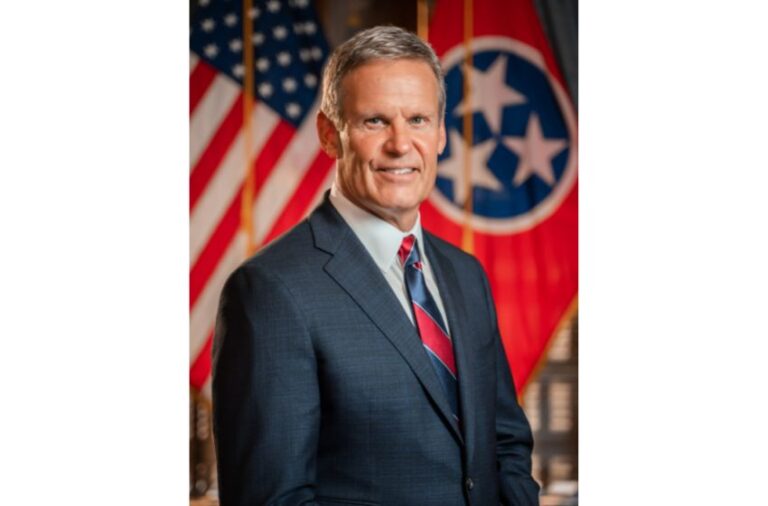
NASHVILLE, Tenn. – On Monday, February 6, 2023, Tennessee Governor Bill Lee delivered his fifth State of the State address and presented budget and legislative priorities for the upcoming year to a joint session of the General Assembly and fellow Tennesseans.

Key highlights are noted below, and the full speech as prepared for delivery can be found here. A Fiscal Year 2023-24 budget overview can be found here.

“Tennessee is leading the nation as a guiding light for opportunity, security and freedom,” said Lee. “I’m proud to propose a budget and strategic policies that ensure our state continues to be a shining example for educational opportunity, strong families, innovation and economic prosperity.”

Our state’s strong fiscal stewardship places Tennessee in one of the strongest budgetary positions in history and allows for investments to secure continued success. Lee’s proposed $55.6 billion budget includes strategic funding to modernize transportation, ensure economic and educational opportunity, preserve our natural resources, protect children, strengthen families and more.

Notable highlights from Gov. Lee’s FY23-24 agenda include:

Transportation & Infrastructure Modernization

•             $3B to the Transportation Modernization Fund to alleviate urban congestion and fund rural road projects across the state

o             $750M allocated to each of TN’s four TDOT regions

•             $300M to expand the State Aid Program for local road projects

•             Proposing new comprehensive legislation centering on Alternative Delivery Models, Public-Private Partnerships, Electric/Hybrid Vehicle Fees

Economic Opportunity & Tax Relief

•             $288.3M for a one-time three-month sales tax holiday on food from August 1 to October 31, 2023, providing tax relief for Tennessee families

•             Beginning a three-year transition to Single Sales Factor for franchise and excise taxes to improve TN’s ability to compete for jobs and investment

•             $64M to simplify tax administration and conform with the federal bonus depreciation provisions of 2017 Tax Cuts & Jobs Act, allowing businesses to more quickly recover costs and further incentivize investment in Tennessee production

•             $37.8M for Small Business Excise Tax Relief, establishing a standard deduction from excise tax for up to $50,000 of reported net income, earning taxpayers a maximum of $3,250 in direct savings for Tennessee businesses

•             $20.3M for Small Business Franchise Tax Relief that exempts up to $500,000 of property from the franchise tax, giving small- and medium-sized businesses that own property in Tennessee up to $1,250 in tax savings on their annual franchise tax liability

•             $7.9M for Small Business Relief from the Business Gross Receipts Tax, increasing the filing threshold for business tax from $10,000 to $100,000 to ensure that only businesses with $100,000 of gross receipts or more will be subject to the business tax. This includes funding to hold local jurisdictions harmless.

•             $7.3M to establish a state paid family leave tax credit against franchise and excise tax for a two-year pilot period that will mirror the federal tax credit

Skilled Workforce

•             $370.8M to update outdated facilities in seven TCAT campuses state-wide

•             $386.2M to invest in new buildings, expansions and improvements to sixteen current TCAT campuses

•             $147.5M to build six new TCATs to better serve more students across Tennessee

Strong & Healthy Families

•             $18.7M to increase the income threshold for pregnant women and caregivers to expand access to TennCare Services

•             $5.2M to provide 12-month continuous TennCare eligibility for low-income children

•             $4.7M to permanently extend postpartum health coverage under TennCare

•             $100M for Crisis Pregnancy Provider Support Grants supporting crisis pregnancy centers statewide, improving access to healthcare and information for expecting mothers

•             $10.25M for TN Fosters Hope grant funding to elevate high quality care for children and families impacted by foster care and adoption, allowing providers to expand their services to foster and adoptive families

•             $27M to expand programming for children with complex or special needs that face challenges being placed in a traditional foster or adoptive home by further developing the provider network and providing respite and long-term care

•             $15M to fund the Summer Youth Employment Program to connect youth and young adults ages 14 to 24 with career exploration opportunities and paid work experiences

Protecting Tennessee’s Children

•             $33M to increase bed capacity in the Department of Children’s Services (DCS) provider network to reduce the time children and youth spend in offices and children’s homes

•             $39.8M to increase the rate of payment for providers in the DCS provider network that offer residential and clinical services to children in state custody

•             $7.3M to support foster families and incentivize foster care and adoption of sibling groups and teens

•             $15.9M to align DCS case manager salary with market salary regionally and in the private sector

•             $11.4M to contract short-term private case managers to alleviate the burden on DCS case managers

•             $5M for Juvenile Justice Youth Intervention Partnerships to increase collaboration with community-based partners to support youth stepping down from juvenile facilities

•             $31M to replace the Tennessee Family and Child Tracking System (TFACTS), the DCS case management and payment system

Great Schools

•             $350 M in additional funding to local education agencies through Tennessee Investment in Student Achievement (TISA), including $125 M for teacher pay raises

•             $60.8M to extend summer learning camps and expand eligibility age from 4th grade to Kindergarten through 9th grade

•             $10M for Summer Bus Transportation

•             $20M in School Safety Grants to enhance school security

•             $29.7M for the TN School Safety Initiative, expanding staffing to place at least one Homeland Security Special Agent in each of the state’s 95 counties to provide threat assessments and collaborate with local law enforcement

•             Expanding the Grow Your Own apprenticeship program to help solve teacher shortages, serving 600 new apprenticeship candidates per year

•             Five percent salary pool increase for higher education employees to ensure they attract and retain the best employee base possible

Safe Neighborhoods

•             Adding 100 Highway Patrol Troopers and related support staff and 25 Tennessee Bureau of Investigation Forensic Services staff

•             $30M addition to the TN Law Enforcement Hiring, Training, and Recruitment Program (Year 2)

•             $50M expansion of the Violent Crime Intervention Fund

•             $357M for network expansion of the Tennessee Advanced Communication Network (TACN) to transition remaining state agencies into TACN, improve coverage and provide infrastructure grants for local agencies to join TACN

•             $10M to support successful re-entry by expanding Evidence-Based Programming Grants in prisons and jails with a focus on mental health

Brighter Future

•             $66.5M for the Natchez Trace Recreation Area, establishing a sportsman’s themed park with a lodge, cabins, campgrounds and a shooting range

•             $28.3M to create Scott’s Gulf State Park, a 9,000-acre park uniting Virgin Falls State Natural Area with surrounding nature areas into a single wilderness park

•             $30M to revitalize the Heritage Conservation Trust to support public-private partnerships through a matching grant program

•             $15.4M for trail infrastructure and development of the Cumberland Trail

•             $10.3M to address critical gaps along the Wolf River Greenway, a 26-mile paved trail meandering from the Mississippi River to Germantown

•             $6.3M to expand the Tweetsie Trail in Carter County, connecting four communities, two bike parks and a pedestrian bridge

•             $70M to TN Clean Initiative, cleaning up state superfund sites, Oak Ridge and all 47 known dry cleaner sites

•             $6.3M for the Rural Brownfields Investment Act to revitalize 175 known brownfield sites, creating a new state-administered grant and technical support program for remediation and economic development of existing brownfields

•             $4.7M grant funding to improve local water quality by optimizing wastewater treatment plants, collaborating with agricultural partners to practice best management principles and supporting cities with reduction of nutrients in stormwater

Asset Management

•             $1.7B to address capital improvements and maintenance, including Tennessee State Parks and TCATs

•             Ensuring more than $2.8B of recurring revenue is allocated to one-time expenditures, allowing the return of these resources for review and budgeting next fiscal year


BSCC’s Fire-Side Chats

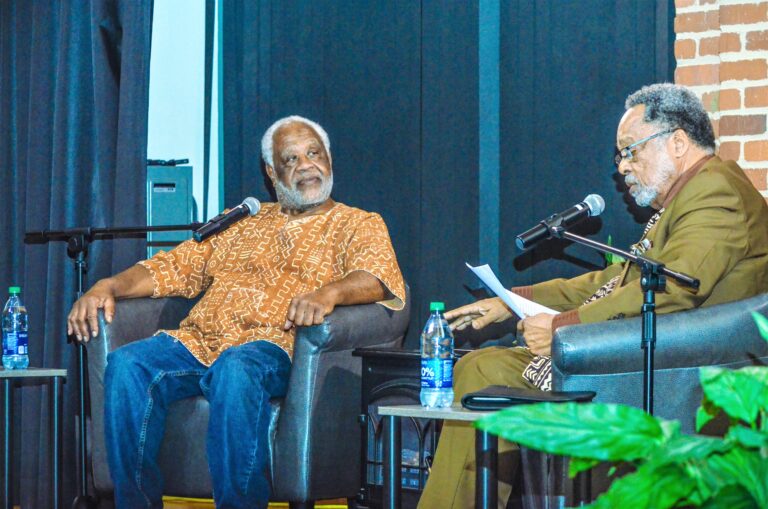
Black History Month Activities The Bessie Smith Cultural Center in recognition of Black History month is hosting a series of fire-side chats. The kick-off session highlighted the history and contributions of nationally known activist and Chattanooga native, “Papa Ricks”. From left, Elijah Cameron, BSCC; Paula Wilkes, BSCC; Mukasa DaDa aka Papa Ricks, guest speaker; and John Edwards, Interviewer/local historian. (Photo: Herman Prater, Sr.)

Hamilton County Schools Deputy Superintendent selected Chiefs for Change

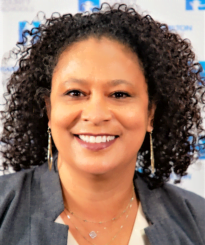
Hamilton County Schools Deputy Superintendent Dr. Sonia Stewart has been selected as part of the seventh cohort of Future Chiefs by the national organization Chiefs for Change.

Chiefs for Change operates on the premise that bold, sustained leadership is critical in order to have a highly effective education system that meets the needs of all students. Members of the organization lead state and district education systems that together include approximately seven million students, 410,000 teachers, and 11,500 schools.

The Future Chiefs program is building a pipeline of talented and diverse educators who are ready to lead state and large district systems. These emerging leaders participate in an 18-month program of collective learning about issues that are central to effective leadership and receive coaching and mentorship from Chiefs for Change members.

“Dr. Stewart’s selection for the Future Chiefs program is a great honor for her and for Hamilton County Schools,” said HCS Superintendent Dr. Justin Robertson. “Dr. Stewart is already a recognized leader in the field of education, and her participation with Chiefs for Change will give her the opportunity to interact with other leaders across the country to learn, craft and implement effective strategies that will benefit the students of Hamilton County. As a lifelong learner and teacher, her experiences will only serve to strengthen our district’s teaching and learning programs.”

Chiefs for Change is centered on the core beliefs that every child must have:

A safe and welcoming school;  Access to an excellent education;

Fully prepared teachers with the support they need to do their jobs well;

High-quality instructional materials; and Reliable and affordable pathways to college and meaningful careers.

“I am honored to be invited to join the 2023 Cohort of Future Chiefs,” Stewart said. “The core beliefs of the Chiefs for Change organization align very closely with those of Hamilton County Schools, and I look forward to learning from and collaborating with those in our cohort and the ones that preceded us. Throughout the upcoming 18-month journey, I will be looking at best practices and new ideas from my colleagues that can be brought back to Hamilton County for the benefit of all our students.” Stewart has a doctorate in education, leadership and policy from Vanderbilt University; a master’s in educational leadership from Trevecca University; and a bachelor’s in mathematics from Biola University.

Black police officers aren’t colorblind – they’re infected by the same anti-Black bias as American society and police in general

0

Rashad Shabazz, Associate Professor at the School of Social Transformation, Arizona State University

Once again, Americans are left reeling from the horror of video footage showing police brutalizing an unarmed Black man who later died.

Some details in the latest case of extreme police violence were gut-wrenchingly familiar: a police traffic stop of a Black male motorist turned violent. But, for many of us, other details were unfamiliar: The five police officers accused of using everything from pepper spray to a Taser, a police baton and intermittent kicks and punches against the motorist were also Black.

After pulling over 29-year-old Tyre Nichols for what they said was reckless driving, Black officers in the Memphis Police Department’s now disbanded SCORPION unit beat Nichols, ultimately to death.

‘The Conversation’ asked Rashad Shabazz, a geographer and scholar of African American studies at Arizona State University, to explore the societal conditions in which Black police officers could brutalize another Black man.

What could influence Black police officers to savagely beat a Black motorist?

Policing in the U.S. has, from its inception, treated Black people as domestic enemies. From the the slave patrols, which some historians consider to be among the nation’s earliest forms of policing, to the murder of George Floyd, and now the death of Nichols, law enforcement officers often have viewed Black people as what sociologist and civil rights activist W.E.B. Du Bois, in “The Souls of Black Folk,” called a “problem.”

American society assumes that Black people are prone to criminality and therefore should be subject to state power in the form of policing or, in some cases, vigilantism – as in the killing of Ahmaud Arbury. This is a link deeply woven into American consciousness. And Black people are not immune. In this way, the long-held targeting of Black men by police and widely held negative beliefs about them are a powerful cocktail that can compel even Black officers to stop, detain and brutally beat a man who looks just like them.

Could their actions have been motivated by anti-Black bias?

It’s hard to investigate the minds of the officers who beat Nichols so savagely and say for sure what motivated them. But there is ample research that suggests anti-Blackness is a factor in American policing. And Black officers, agents of an institutionally racist system, are affected by this. Anti-Blackness affects Black people, too. And this might explain why Black police officers exhibit more anti-Black bias than the Black population as a whole.

Civil rights attorney Ben Crump comforts RowVaughn Wells, mother of Tyre Nichols, during a press conference hours before the video of police beating Nichols was released. Scott Olson /Getty Images News via Getty Images

To comprehend this, we have to take a step back and think about race. Stuart Hall, a cultural theorist, described race as a sign. When we look at skin color or people as racialized subjects, they signify something to us. Black people, in this society – and in other parts of the world – for many signify danger, threat and criminality. And as a result, institutions like the criminal justice system respond to their perceived threat with profiling, harassment and violence.

Our surprise that five Black police officers could brutalize another Black man indicates we have an impoverished understanding of race and racism in this country.

What does Tyre Nichols’ death mean for calls to diversify policing?

For years, elected officials, activists and citizens have been making calls to reform policing. Many have said bringing more people from ethnically diverse backgrounds onto police forces would go a long way toward correcting institutional racism in the criminal justice system.

The final report of “The President’s Task Force on 21st Century Policing,” commissioned through an executive order by President Barack Obama, called for law enforcement agencies to “strive to create a workforce that encompasses a broad range of diversity, including race, gender, language, life experience, and cultural background to improve understanding and effectiveness.”

One recent study concluded that Black and Hispanic police officers make fewer traffic stops and use force less often than their white counterparts. But, at the same time, Black and brown police officers live in the same culture that sees Black people as criminals and threats. So simply having more officers of color doesn’t do enough to fix the problem.

How does seeing video of another Black man brutalized by police, this time Black officers, affect Black people?

Over the past decade, videos of Black people killed at the hands of police officers have filled social media and news sites. I, for one, cannot watch them because they terrify me and amplify fears for my safety and that of my family and friends. I watched about 30 seconds of the Black police officers pummeling Nichols and couldn’t take any more. I know I’m not alone. Studies tell us that police killings of unarmed Black people are psychologically traumatizing events for Black people. This kind of horror should be traumatizing to the nation. But if Black is the sign of danger and criminality, who will have empathy for the Tyre Nicholses of the world?

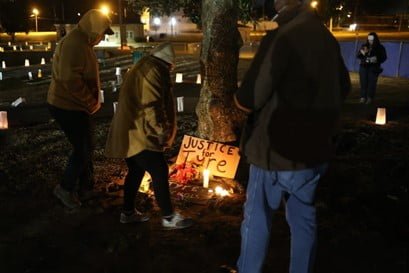
People honor the memory of Tyre Nichols during a candlelight vigil held in his honor. Scott Olson/Getty Images News via Getty Images

This article was updated to cut out repetition in the introduction. (The CONVERSATION 1-30-2023)

NAACP Memphis Calls for Prosecution, Termination of Those Involved in Tyre Nichols’ Death, Urges Police Reform 

0

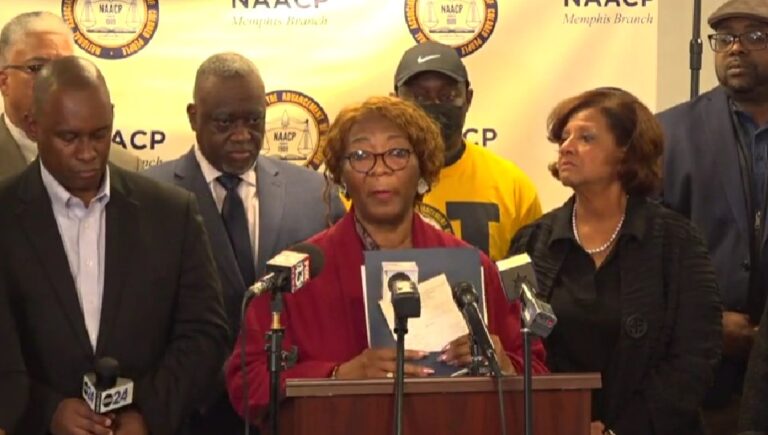
Memphis, Tenn. (TN Tribune)–The Memphis Branch of the NAACP held a press conference in conjunction with the Tennessee State Conference NAACP on Sunday, calling for action in response to the death of Tyre Nichols. The leaders called for those involved in the traffic stop that led to Nichols’ death to be terminated and prosecuted, and also called on lawmakers to pass police reform legislation at both the state and national levels. 

During the conference, NAACP Memphis Branch President Van Turner made these demands two days after the release of a video showing Memphis police officers pepper spraying, tasing, and beating Nichols during a traffic stop. The video sparked three consecutive days of protests and added to the ongoing national debate over police brutality. 

Turner emphasized the need for swift justice and changes in police practices to prevent similar incidents from happening in the future. He stated that the NAACP Memphis Branch would continue to push for accountability and reform in the law enforcement community. 

“If you were an officer or first responder and you sat there and watched this young man die and you did nothing to help resuscitate him, you did nothing to give him aid, you’re just as culpable as the people who beat him down and killed him,” Turner said. “We want justice, and we want them brought to justice.” 

Turner and Tennessee State Conference NAACP President Gloria Sweet Love released the statements regarding former Memphis police officers Desmond Mills, Demetrius Haley, Justice Smith, Emmitt Martin and Teddarius Bean being charged with second-degree murder. 

“Although we are pleased that the charges have been filed, we strongly urge the U.S. Department of Justice to continue its investigation. The accused former officers were reportedly members of the Street Crimes Operation to Restore Peace in Our Neighborhoods (“SCORPION”) Unit. The Memphis Police Department and its SCORPION Unit must be thoroughly investigated and monitored to ensure that all police officers abide by the law. We expect the police to enforce the law, not violate the law. We seek accountability and justice,” Sweet Love stated. 

Distance Is No Issue for Black History Month – Go Virtual

0

By Robin Smith

During Black History Month, so many will visit the National Museum of African American History and Culture in Washington, DC to learn more about the contributions of men and women of color throughout history. In our state’s capital, Nashville, the incredible Tennessee State Museum has several permanent exhibits along with featured events for the month-long observance of African American history.

Yet, with the pressures on our paychecks, school commitments and other conflicts, the majority of Americans don’t get to take advantage of such resources.

Well, check out two opportunities that provide experiences to enrich your February celebrations that are sponsored by both of these out-of-town and out-of-state museums.

First, and don’t dawdle on this one, the Tennessee State Museum is hosting a series each Thursday in February entitled, The Legacy of Black Entrepreneurship in Tennessee. While attendees who participate in person will enjoy a boxed lunch, the lunch-and-learn format also includes virtual access.

The museum’s first speaker on this Thursday, Feb. 2 comes from a legendary family whose last name is tied directly with their renowned restaurants. Owner of Prince’s Hot Chicken Shack and great niece of the founder, Thornton Prince, André Prince Jeffries kicks off the lecture series speaking of the family’s storied business that has been recognized by the Entrepreneur’s Hall of Fame of Nashville and the National Fried Chicken Festival, to name just a few honors.

Ms. Prince Jeffries’ talk will be livestreamed on the Museum’s website at TNMuseum.org/Videos from 1-2 p.m. ET/noon-1 pm CT on Thursday with future speakers to follow each week at the same times and link.

Take advantage of all the videos and virtual offerings at your Tennessee State Museum.

A second opportunity is offered by the prestigious National Museum of African American History and Culture. One of the 19 museums of Smithsonian Institute, the world’s largest education and research collection house in Washington, DC.

The National Museum of African American History and Culture provides an entire “Digital Journey of African American History” online that features a terrific mixture of culture, art, history and educational interaction for various ages and interests.

The benefit of the learning lab format is your ease of accessing at any time of your convenience to read of slavery’s abolition, learn about key figures–such as Harriet Tubman–through a visual art presentation, an entire section of interactive tiles featuring the works of African American female artists, in addition to the more prominent figures who lead throughout Black History.

While a tank of gas and a day’s travel to Nashville may be out of the question, and a trip to Washington, DC may be on a wish list for a future vacation, don’t miss the free offerings to enhance your knowledge and experiences while celebrating Black History Month during February. Go explore and learn, without the expense!

CHATTANOOGA BOYS CHOIR TO HOST30TH ANNIVERSARY SIMMONS – O‘NEAL MEMORIAL CONCERT ON FEBRUARY

Concert is free and the community is invited to attend

Special guest D’Walla Simmons-Burke, Director of Choral Activities at Winston Salem State University.

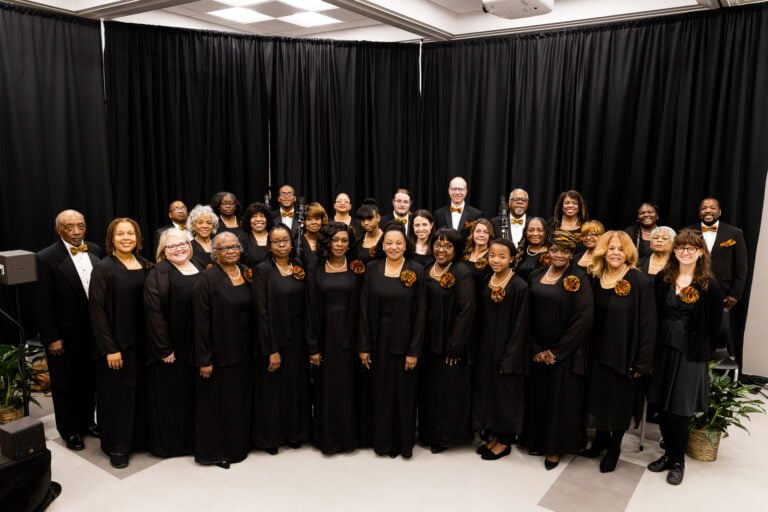
CHATTANOOGA, Tenn. (January 31, 2023) — Members of the Chattanooga Boys Choir (CBC ) and the Chattanooga Choral Society for the Preservation of African American Song (CCSPAAS) will join voices on Sunday, February 12 at 3 pm for the 30th annual Simmons-O’Neal Memorial Concert honoring two revered Chattanooga area music educators, Edmonia Simmons and Everett O’Neal. The concert will be held on the campus of Baylor School’s in the Alumni Chapel. Admission to the program is free.

Edmonia Simmons, the founder director of the CCSPAAS, was a music teacher whose career in music education spanned over fifty years including decades of service to hundreds of students at Howard High School. Everett O’Neal was a widely known public school music teacher, supervisor, and church musician as well as longtime director of the Boys Choir. The two directors were close friends and contributed richly to the growth of musical performances and development of music education throughout the Chattanooga community.

This year’s concert features special guest D’Walla Simmons-Burke, Director of Choral Activities at Winston Salem State University. Maestra Burke studied at Hampton University under the tutelage of Chattanooga native, former CCSPAAS Director and Edmonia Simmons student, Dr. Roland Carter.  Maestra Burke will lead a workshop with both choirs and conduct the ensembles at the concert on pieces including Tesfa Wondemagegnehu’s “We Shall Overcome,” John Rutter’s “Look at the World,” and “Music of Life” by Brittney Boykin. The concert will close with Meastra Burke leading the choirs in Dr. Carter’s famed arrangement of “Lift Every Voice and Sing.”\

This concert, a favorite annual tradition of members and audiences of both ensembles, is distinct for having not ever been held in the same location twice in its three decades. Moving between churches, schools, concert halls, libraries, and other community venues – including an online offering in 2021 – the concert moves throughout all areas of the Scenic City to make it accessible throughout the region. In addition to the combined pieces performed by the combined choirs, both the CBC and the CCSPAAS will present pieces separately as well.

The Simmons-O’Neal concert marks another special milestone event for the two choirs this season. The CBC and CCSPAAS toured together this past summer, traveling and performing in civil rights museums and cultural venues in Birmingham AL, Montgomery AL, Auburn AL, and Atlanta GA. Together, members of these two choirs – spanning over six decades in age but sharing a common love for music-making and cultural exchange – shared with each other and with large audiences the impact of choral music.

“Bringing together these incredible voices, these diverse experiences, and these impressive legacies – choirs with a combined 100+ years of history, composer/conductors who have taught and influenced thousands of musicians – this will be a special event that is not to be missed and will be enjoyed by everyone,” said Vincent Oakes, Chattanooga Boys Choir’s Artistic Director. For more information about the concert or about the Chattanooga Boys Choir, visit www.chattanoogaboyschoir.org

Far-Right School Board Candidates: “We’ll Be Back”

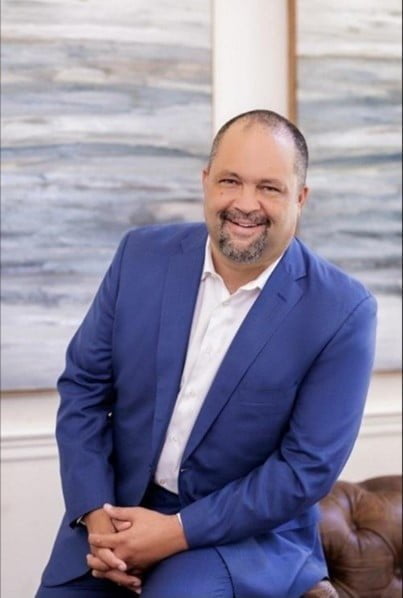
By Ben Jealous 

Back in August, I wrote that getting “back-to-school” this year would also mean getting back to fighting far-right attacks on education. The threats included a rising number of efforts to ban books, and the Right’s efforts to take over local school boards. 

So how did the Right do in this fall’s school board elections? Well, as in Congress, there was no conservative “Red Wave.” However, the Right did score just enough wins to keep coming back. And the groups behind those wins are promising to do just that. 

According to news reports, about half the candidates endorsed by one national group, Moms for Liberty, and a third of those endorsed by another, the conservative 1776 Project PAC, won in November. Earlier this year Moms for Liberty racked up notable wins in their home state of Florida, where extremist Gov. Ron DeSantis gave them a boost; and in addition to taking over some school boards in their home state, they took over some boards in a few districts in South Carolina. 

Their strategy was to try for a repeat performance of the Virginia election in 2021, where Republican Glenn Youngkin won the governor’s race on a similar cynical “parental rights” platform. The platform is code for highlighting culture war battles over issues like COVID mask and vaccine policies, “critical race theory,” and anti-LGBTQ activism. Let’s be clear, despite the marketing behind this movement, it doesn’t represent the views of many parents. 

And if the Far Right doesn’t have good ideas, it definitely has plenty of money. The 1776 Project reportedly spent almost $2.8 million on ads and other campaign material for candidates. In Texas, a right-wing cellphone company called Patriot Mobile spent hundreds of thousands of dollars to help right-wing candidates in several school districts, and called it “just the beginning.” 

In the end, this campaign strategy was not the universally successful formula the Right hoped it would be. For starters, the so-called “parental rights” groups don’t speak for all parents – especially Black and brown parents. In many places, parents and teachers worked together to push back against ultraconservative takeover attempts. Winning candidates endorsed by Moms for Liberty and the 1776 Project were in the few hundreds, far fewer than the thousands endorsed by the National Education Association – of which more than 70 percent won their races. 

This time. 

I’m an optimist at heart, and it gives me hope to see that the dishonest and damaging drive to take over school boards did not sweep the nation. It is very good to know that enough parents, teachers – and students – spoke out to prevent that from happening. We want schools where all kids can flourish. We want schools where history lessons are not whitewashed to hide harsh realities about our nation’s troubled past. As a parent, I don’t want my children lied to in school. That won’t help them succeed in school or in life. As a lifelong student of history, I know that we can’t understand our present reality or begin to shape a more inclusive future without being grounded in the complexity of our past. 

But I also know the Far Right wants to make school board races a steppingstone to bigger things. Investing in school board takeovers is a power-building strategy. Ultraconservative activist Steve Bannon said it himself when he claimed the path to “save” the nation will “go through the school boards.” Not only that, but extremists in the GOP – including former Education Secretary Betsy DeVos – now want to get rid of public education entirely. And yes, many public schools, including those in Black and brown neighborhoods, need to get better. But privatizing education is not the way to get there. 

So we need to stay alert to the Right’s efforts to get control of school boards, because they’ll be back. We who care about honest teaching and inclusive public schools should go to school board meetings. We should pay attention to school board races and candidates. And if we can, we should run for the school board ourselves. Our kids’ educations, and their futures, depend on it.