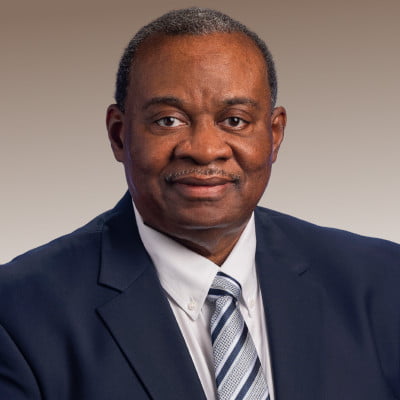
CHATTANOOGA—State Representative Yusuf Hakeem has been named to a U.S. committee that will advise the Office of the United States Trade Representative. Rep. Hakeem, along with nine others from across the country, were appointed to IGPAC, the Intergovernmental Policy Advisory Committee (USTR Announces New Intergovernmental Policy Advisory Committee Members | United States Trade Representative). IGPAC provides general policy advice to the United State Trade Representative on issues involving trade that have a significant relationship to the affairs of U.S. state and local governments. It is comprised of members who have expertise in general trade, investment and development issues.
In a press release, U.S. Trade Representative Katherine Tai said, “This highly qualified group of stakeholders and elected officials represent diverse backgrounds, interests, and priorities and I congratulate them on joining this important committee.” Ambassador Tai added, “The IGPAC is a critical link that ensures USTR’s work is responsive to needs of all people in the United States.” Representative Hakeem shared what he will be working to accomplish: “One of my goals is to see a marked increase in small and medium-sized companies receiving assistance and development strategies for their involvement in international trade. Tennessee, along with other southeastern states, can benefit greatly from access to these opportunities and I’m honored to receive this appointment.”
Jesse Burkhardt, Associate Professor of Energy Economics, Colorado State University
Lauren Gifford, Associate Director of the Soil Carbon Solutions Center, Colorado State University
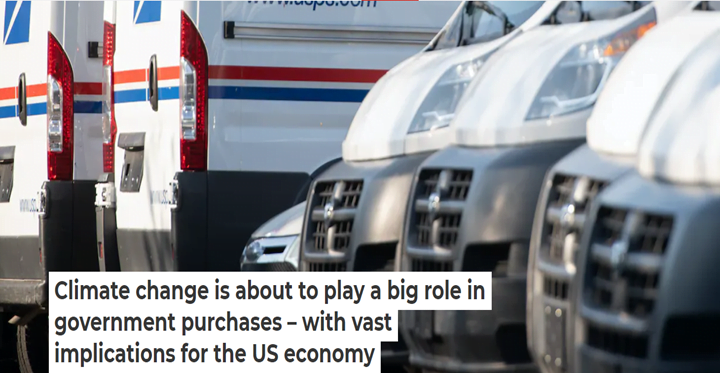
Each year, the federal government purchases about 50,000 new vehicles. Until recently, almost all of them ran on diesel or gasoline, contributing to U.S. demand for fossil fuels and encouraging automakers to continue focusing on fossil-fueled vehicles.
That’s starting to change, and a new directive that the Biden Administration quietly issued in September 2023 will accelerate the shift.
The administration directed U.S. agencies to begin considering the social cost of greenhouse gases when making purchase decisions and implementing their budgets.
That one move has vast implications that go far beyond vehicles. It could affect decisions across the government on everything from agriculture grants to fossil fuel drilling on public lands to construction projects. Ultimately, it could shift demand enough to change what industries produce, not just for the government but for the entire country.
What’s the social cost of greenhouse gas?
The social cost of greenhouse gases represents the damage created by emitting 1 metric ton of carbon dioxide, methane and other greenhouse gases into the atmosphere.
These greenhouse gases, largely from fossil fuels, trap heat in the atmosphere, warming the planet and fueling climate change. The result is worsening storms, heat waves, droughts and other disasters that harm humans, infrastructure and economies around the world. The estimate is intended to include changes in agricultural productivity, human health, property damage from increased flood risk, and the value of ecosystem services.
By directing agencies to consider those costs when making purchases and implementing budgets, the administration is making it more likely that agencies will purchase products and make investments that are more energy efficient and less likely to fuel climate change.
While only a fraction of the roughly $6 trillion that the U.S. government spends each year would likely be considered under the new directive, that fraction could have far-reaching impacts on the U.S. economy by reducing demand for fossil fuels and lowering emissions across sectors.
Estimating the cost
The Obama administration introduced the first federal social cost of carbon to incorporate climate risk in regulatory decisions. It’s calculated using models of the global economy and climate and weighs the value of spending money today for future benefits.
When the Trump administration arrived, it cut the estimated cost from around $50 per metric ton to less than $5, which justified rolling back several environmental regulations, including on power plant emissions and fuel efficiency. The Biden administration restored an interim price to about $51, with plans to raise it.
Recent research suggests that the actual social cost of carbon is closer to $185 per metric ton. But carbon dioxide is just one greenhouse gas. The new directive takes other greenhouse gases into consideration, too – in particular, methane, which has about 80 times the warming power of carbon dioxide over 20 years.
Estimates of the social cost of methane, which comes from livestock and leaks from pipelines and other natural gas equipment, range from $933 per metric ton to $4,000 per metric ton.
Without directives like these, decision-makers implicitly set the cost of greenhouse gas emissions to zero in their benefit-cost analyses. The new directives allow agencies to instead compare the expected climate damages, in dollars, when making decisions about vehicle purchases, building infrastructure and permitting, among other choices.
The vehicle fleet as an example
The federal vehicle fleet is a good example of how the social costs of greenhouse gases add up.
Let’s compare the costs of driving an electric Ford Focus and an equivalent conventional-fuel Ford Focus.
Assume each vehicle drives an average of 10,000 miles (about 16,000 kilometers) per year – that’s less than the U.S. average per driver, but it’s a simple number to work with. The damages from emissions in dollars from driving a conventional Ford Focus 10,000 miles are between $133 and $484, depending on whether you use a social cost of carbon of $51 per metric ton or $185 per metric ton.
The climate harm from driving an equivalent electric Ford Focus 10,000 miles, based on the average carbon dioxide emissions intensity from the U.S. electricity grid, would be between $59 and $212, using the same social costs.
Scale that to 50,000 new vehicle purchases, and that’s a cost difference of about $4 million to $13.5 million per year for emissions from operating the vehicles. While producing an EV’s battery adds to the vehicle’s emissions up front, that’s soon outweighed by operational savings. These are real savings to society.
The U.S. government is also a major consumer of energy. If agencies begin to consider the climate damages associated with fossil energy consumption, they will likely trend toward renewable energy, further lowering their own emissions while boosting the burgeoning industry.
How the government can shift demand
These types of comparisons under the new directive could help shift purchases toward a wide range of less carbon-intensive products.
Much of the U.S. government’s spending goes toward carbon-intensive goods and services, such as transportation and infrastructure development. Directing agencies to consider and compare the social cost of purchases in each of these sectors will send similar signals to different segments of the market: The demand for less carbon-intensive goods is rising.
Because this new directive expands to other greenhouse gases, it could have broad implications for new permitting for oil and gas development and agricultural production, as these are the two largest sources of methane in the U.S.
While this decision is not a tax on carbon or a subsidy for less carbon-intensive goods, it will likely send similar market signals. With respect to purchases, this policy is akin to tax rebates for energy efficient products, like electric vehicle incentives in the Inflation Reduction Act, which boost demand for EVs.
Ultimately, if one of the largest segments of demand, the U.S. government, transitions to less carbon-intensive products, supply will follow. (The CONVERSATION)
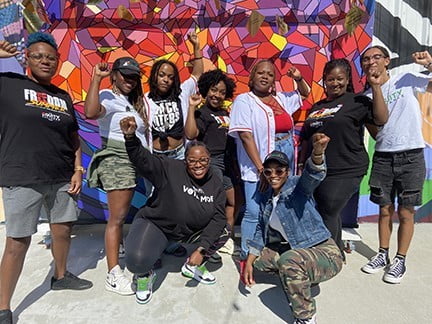
Building strength in marginalized communities is the work that The Equity Alliance sets out to do every day. With alliances in Memphis, Chattanooga, and multiple locations in Middle Tennessee, Jess Williams (Director of Development and Marketing) of the Equity Alliance says “Our mission is to unapologetically build independent Black political and economic power. But the way that we do that is unique. Those who are most impacted by the issues are the ones who have the best solutions to those issues. So, we take a relational approach to our work. Black voters don’t want to be treated like a one-night stand. So, we are in the community constantly being an advocate and liaison for forgotten, silenced, and overlooked communities.”
The organization believes in demanding that the government is held accountable to Black people across the state, and that their voices are heard when they make decisions. They don’t take the traditional path of non-profits as they are a coalition-based organization. Williams says “our and our partners’ grassroots efforts are led with Black liberation at the forefront because we understand that when Black people are free, we will all be free.” She also notes that they infuse their work in Black culture to meet people where they are. The Equity Alliance isn’t above the community, they are part of the community.
And that is paying dividends in visibility. It is no secret that Tennessee is currently controlled by a supermajority of Republicans. According to Williams “The extremist legislators in our state will scrape the bottom of the barrel to make sure that Black, brown, and working-class people do not have a say in how we live, love, and play.” Campaigns in 2020 included responses to the tornado “#DontSellOutNorf” and the COVID-19 pandemic with the Our Fair Share Campaign. Since its founding the organization has made 2.5 million direct voter contacts and according to Williams “Most recently, during the Nashville municipal election, our efforts elected the most progressive metro council Nashville has ever seen, including the election of Nashville’s first all-woman council-at-large and Nashville’s first openly transgender council person, Olivia Hill.”
If you are interested in getting involved Williams notes that “our people here in Nashville can join the text and phone banks we are hosting to help turn Memphians out to vote on October 5, 2023.” She further notes that their “TEAM is growing, and we are actively recruiting people to join our statewide staff. Those who are interested in applying should go to www.theequityalliance.org/jobs to view the available roles and apply.”
It’s another day hunched over your laptop, trying to meet those nearing deadlines, when you feel a shocking pain shoot from your wrist to your forearm. This isn’t the first time you’ve dismissed it as just another pain in the…wrist. You shake your hand, hoping to relieve the pain, but it lingers. The nerve!
These are signs of carpal tunnel syndrome (CTS), a common condition affecting the nerve that runs from the forearm to the fingers. Read on for more early signs of CTS and what actions to take next.
Recognizing Red Flags
CTS occurs when the median nerve becomes compressed as it passes through the carpal tunnel, causing hand and wrist pain. “Yep, that’s carpal tunnel” is usually the first thing that comes to mind when experiencing the pain, but it’s not the only possible suspect. In fact, there are a multitude of conditions that will curse your wrist just because it’s Wednesday. So, when you know what symptoms to scope out early on, that will determine either prolonged pain or swift recovery. Keep an eye out for:
Weakness in the Hand and Wrist: If you find it increasingly challenging to grip objects or perform tasks that once seemed effortless, such as buttoning a shirt or doubling up a hair scrunchie, weakness in the hand and wrist could be an early indicator of CTS.
Numbness and Tingling in the Hand/Fingers: That unsettling feeling of pins and needles, accompanied by numbness, is another telltale sign. You might notice it more prominently in your thumb, index, middle, and half of your ring finger.
Nighttime/Early Morning Symptoms: Many individuals with CTS notice their symptoms increasing at night due to no muscle movement and restricted blood flow to that area. They may wake up with increased numbness and tingling in their hands (often radiating up the forearm), ranging from mild to sharp, debilitating pain.
Worsening Symptoms with Repetitive Hand Use: Activities that involve repetitive hand and wrist motions can intensify CTS symptoms.
Highlighting Wrist Factors
Now that you can scope out the warning signs, let’s take a look at what puts you at risk of developing CTS and how to mitigate those risks. They include:
Repetitive Motion
Activities that involve frequent and repetitive hand and wrist movements, such as typing, playing musical instruments, and the constant use of vibrating power tools can significantly increase the risk of CTS. To reduce this risk, make a conscious effort to take regular breaks, stretch your wrists and fingers, and perform (or receive) frequent hand massages.
Poor Workspace Environments
In the workplace, where the rhythm of productivity is paramount, CTS will remix and disrupt the beat for sure. An improperly set up workspace can wreak havoc on your wrists. If working from home or in an office setting, investing in an ergonomic keyboard and mouse can make a significant difference. Make sure that your chair, keyboard, and monitor are positioned and designed to minimize strain.
Obesity and Health Conditions
Conditions like diabetes and rheumatoid arthritis are associated with a higher likelihood of developing CTS. Obesity also plays a part, as extra weight can add pressure on the median nerve, leading to inflammation, swelling, and additional pain in the hands and wrists.
Maintaining a healthy weight and managing underlying health conditions can help prevent and manage CTS symptoms.
Wrist Positioning
Awkward wrist positioning, especially during sleep, can compress the median nerve and contribute to CTS. Consider wearing a
wrist splint at night to keep your wrist in a neutral position and reduce the pressure.
Brace Yourself…
Wrist splints and wrist braces are the real heroes here. A brace and a splint are two distinct types of wrist support, both ideal for alleviating CTS symptoms.
A wrist brace is designed to provide compression to the wrist joint and relieve discomfort. It fits snugly against the hand and wraps around the wrist, offering flexibility while preventing excessive movements that could cause further damage.
The choice of which to use depends on the severity of the condition and the level of support needed, but we recommend keeping at least one on hand (literally). Check with your healthcare provider for the right size and fit.
Exploring Treatment Options
What we’re not gonna do is go on about our days all willy-nilly as if these symptoms don’t exist.
Carpal tunnel syndrome can lead to a lack of hand and finger coordination and even permanent nerve damage if left untreated.
There are a variety of treatment options ranging from conservative approaches to surgical interventions. In most cases, CTS can be treated without surgery; however, the choice of treatment is based on severity and individual circumstances, so it’s important to discuss your options with your healthcare provider to determine the best route for you. Remember, early intervention is key to preventing long-term damage, so don’t ignore the red flags. The next time you feel that familiar twinge in your wrist, yep, that’s probably carpal tunnel. But now that you’re armed with info, you’re ready to take action and free yourself from the grasp of CTS. (Source: BlackDoctor.org by Raven Sinead)
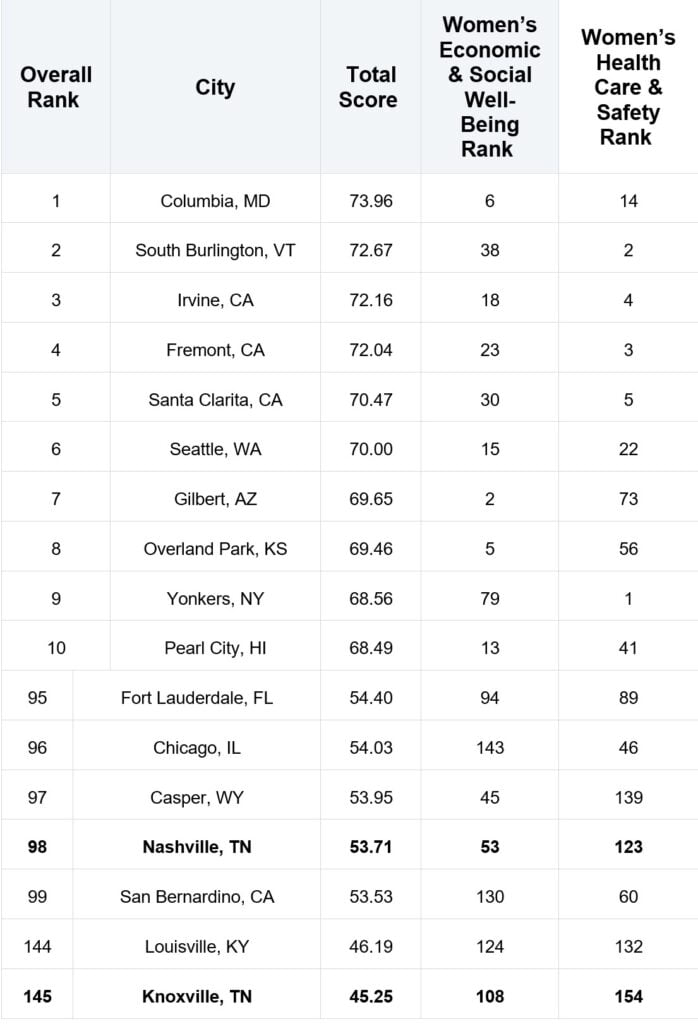
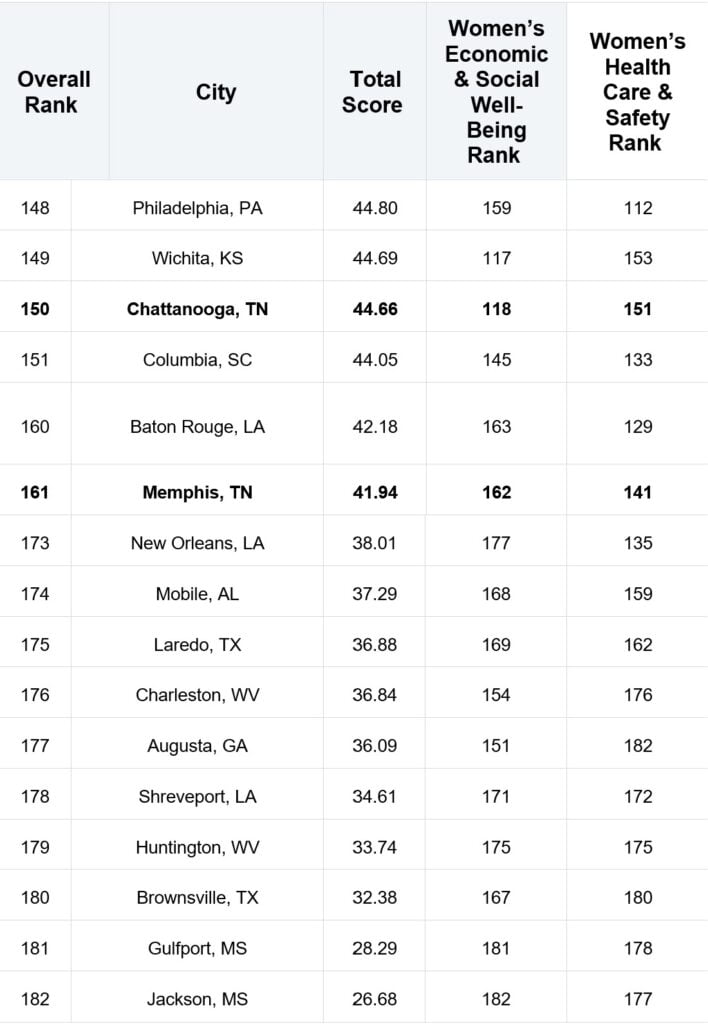
While women generally make up a higher percentage of the population in most areas across the nation, they are not always in the best location to maximize their potential. For instance, only 22 out of 250 metro areas in the U.S. report women under 30 earning the same amount as or more than their male counterparts. In addition, women only earn around 82 cents for every dollar earned by men.
Since the gender pay gap tends to widen with age, putting down roots in a city with better earnings potential can set a woman up for more financial success in the future. Some locations are better poised to handle women’s health and safety concerns as well, such as access to abortion and other women’s health services.
In order to determine the best places for women to thrive, WalletHub compared 182 cities across 15 key indicators of livings standards for women. Our data set ranges from the median earnings for female workers to the quality of women’s hospitals to suicide rates for women.
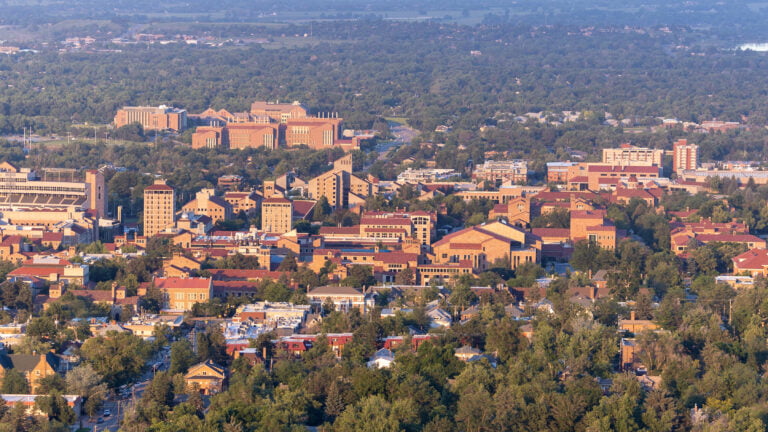
Fine, go ahead. Write off football coach Deion Sanders as an aberration, the latest fad or distraction from stuff that really matters in the world today.
And while you’re at it, for reasons of curiosity if nothing else, read about the “Deion effect” on the city of Boulder’s revenue bumps ($18 million from the team’s first home game) and sold-out games at home and away. And if you decide to replay recent games, good luck because your attention may get sidetracked by starstruck, sunglass wearing celebrities strutting up and down the sidelines snapping selfies while chortling …. “Primetime,” “Primetime,” “Primetime!”
Love him or loath him, over a short period of time, Sanders has managed to jettison national disasters, an auto workers’ strike, political finger-pointing and the latest on an ex-president from front page news and dinnertime conversations.
But for the social history buff, the Sanders story is more nuanced and much larger than sports. It transcends smart marketing and revenue generation, leadership, expanding opportunities, ethnic pride, and race in race obsessed America.
It’s rare that a public figure can blow off pejoratives – “polarizing,” “arrogant,” “braggadocious” (and unprintable ones) – with an aplomb backed up by an indisputable track record of accomplishments.
After Sanders’ Colorado Buffalos pulled off an incredible victory over state rival Colorado State, a thriller that spilled past midnight for East Coast viewers, Sanders appeared on an earlier taped “60 Minutes” program as if he and the program knew something we didn’t. And disappoint he did not.
“Who’s the best coach in college football today?” asked “60 Minutes” journalist Jon Wertheim.
“Let me see,” Sanders replied. “Let me see a mirror so I can look at it.”
“You feel that?” Wertheim said.
“What, you think I’m gonna sit up here and tell you somebody else?” Sanders replied with a laugh at the question. “You think that’s the way I operate? That somebody else got that on me?”
Like his performance as a Hall of Fame NFL cornerback, and perhaps in anticipation of outrage from his harshest critics, Deion stiff-armed his naysayers by deftly pivoting to Alabama coach Nick Saban, his costar in Aflac commercials and the winner of the most college football championships in history.
“I love, adore and respect every time I do a commercial with coach Saban,” said Deion. “It’s a gift. Just sitting in his presence, hearing him, and throwing something else out there so I can hear his viewpoint. Because he’s forgotten more things than I may ever accomplish. So, I’m a student looking up to this wonderful teacher saying, ‘Just – just – just throw me a crumb of what you know.'”
Now as much as millions love “Primetime,” there are as many who dislike him for reasons of their own, chief among them jealousy and anger about Black athletes they perceive as too rich, too grandiose, too tattooed, too jewelry flashing and, the absolute worst of transgressions, too unsatisfactorily humble.
Wrote William Spivey, “Deion Sanders is currently the most polarizing figure in the sport, and his current success infuriates his haters. Some begrudged him for coaching success at Jackson State where he parlayed his fame and personality into recruiting success, including the #1 prospect in the nation who was expected to sign at Florida State University.”
Even some rival coaches in the Southwestern Athletic Conference (SWAC) expressed jealousy, including Eddie Robinson, Jr. (no relation to Grambling’s late coach Eddie Robinson) at Alabama State, who said, “He ain’t SWAC; I’m SWAC!”
Without doubt, Deion Sanders has impacted the sport and turned the heads of talented recruits who are drawn into his allure and success. There’s no doubt that stadiums will continue to fill up and television revenues will continue to grow.
In addition to hyping Jackson State, Deion has talked up HBCU (Historically Black Colleges and Universities) and their historical significance. Though Sanders was a two sports star at Florida State, he earned his degree from Talladega College, an HBCU school. He brought Jackson State to the pinnacle of success, and then left to coach at Colorado, a team that finished 1–11 the year before. Some saw it as doing what college coaches do: taking better jobs for more money. Others saw it as a betrayal of Jackson State, the SWAC, HBCUs, and Black people in general.
Colorado’s next two opponents are Oregon and USC, both sporting the same undefeated record as Colorado. Chances are, Colorado will have lost one or both of those games and, predicts William Spivey, the Deion-hating celebration will begin. “Deion’s already achieved unbelievable success, which has mostly silenced his critics, but don’t think they aren’t lying in the cut waiting to pounce.”
Well guess what Mr. Spivey? The pouncing is well underway. To wit is this caller to a local radio sports program the other day who asked: “This Deion Sanders hype is nothing but a sideshow. Is someone checking the academic transcripts of the players he’s bringing in through the transfer portal?”
Well, (sigh) there we go folks.
In the end, the story behind the Deion Sanders’ story is one of his rise from the spectacular collapse of his Prime Prep Academy in Dallas to having reached the pinnacle in the world of college coaching aided by an opportunity provided by an HBCU school.
So, what do we now do with the Deion Sanders story? Leadership retreats, college Marketing classes, expanded talent searches and coaching clinics are good as any place to start.
In Part Two, we’ll share the passionate voices of sports loving folks who I asked to weigh in on the “Deion Effect” and on its many messages to America.
Stay tuned! Terry Howard is an award-winning trainer, writer, and storyteller. He is a contributing writer with the Chattanooga News Chronicle, The American Diversity Report, The Douglas County Sentinel, Blackmarket.com, co-founder of the “26 Tiny Paint Brushes” writers guild, recipient of the 2019 Dr. Martin Luther King, Jr. Leadership Award, and third place winner of the 2022 Georgia Press Award.
Usher Raymond IV has moved from his Chattanooga upbringing to television’s most watched event–the February 11, 2024, Apple Music Super Bowl, set for Allegiant Stadium in Las Vegas, Nevada.
The talented mega-star and soon-to-be-forty-five-year-old who’s earned eight Grammy Awards said Sunday, “It’s an honor of a lifetime to finally check a Super Bowl performance off my bucket list.” Usher continued in his press response, “I can’t wait to bring the world a show unlike anything else they’ve seen from me before.”
Known as one of entertainment’s biggest stages, the NFL crown competition has been held since 1967 with Super Bowl LVIII touting a full fan experience hosted at Mandalay Bay Convention Center leading up to Sunday’s prime time game.
Thirty years ago, in 1993, Michael Jackson became the first Black man to perform alone during the Halftime Show that may take Barnum and Bailey’s “Greatest Show on Earth” moniker. Three decades beyond that moment is Usher, known not only for his R&B brilliance, but as a dancer and songwriter.
NFL Head of Music, Seth Dudowsky, summed up the choice of Usher: “He’s an icon whose music has left an indelible mark on the cultural landscape throughout his career.”
Usher’s biography boasts his hard earned superstardom citing almost 24 million albums sold in the US in addition to the 39 million digital songs. Worldwide, the complete entertainer has sold over 80 million records.
At nine years young, Usher’s mom realized her son’s vocal talent in a Chattanooga church youth choir. The young Chattanooga man joined a vocal group, NuBeginnings, recording an album in 1991. That same year, the gifted 13 year-old met Bobby Brown’s bodyguard, A.J. Alexander in an Atlanta talent show.
With each new opportunity, challenges were overcome, which this tenor shaped into a career beyond his imagination, and that of his mother, Jonetta Patton.
Most Chattanoogans will remember Usher coming home to visit the Orange Grove Center, Dalewood Middle School where he attended prior to moving to Atlanta, and the Center for Creative Arts in February 2015.
Another visit to the Scenic City in 2017 had the superstar speaking at Tyner Academy for Black History as well as participating in a ribbon cutting at Orange Grove where a new track surface was revealed and dedicated to Usher’s grandmother, Nancy Lackey, where she and her husband walked often. As sports fans cheer on their favorite teams to reach the pinnacle of competition that finishes the 2023 NFL season, Chattanoogans will wait for the apex of entertainment featuring a young man whose nicknames as the King of R&B and Mr. Entertainment guarantee so much more than a 20 to 30-minute set of greatest hits. Usher is sure to entertain, just as he’s inspired and modeled success for Chattanoogans and the world to see.
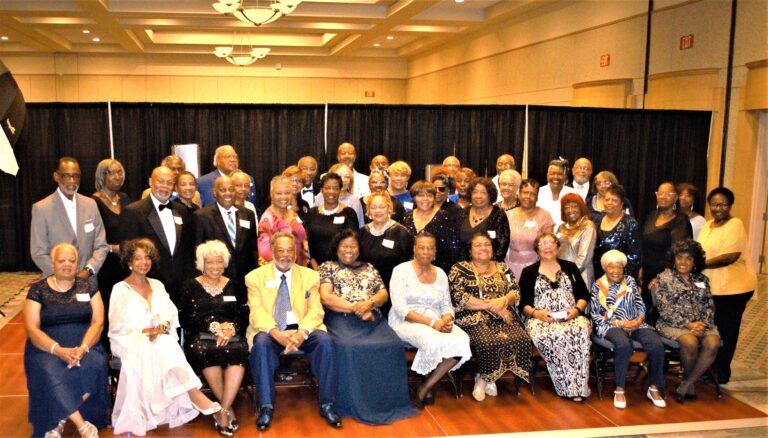
A CELEBRATION OF AGE– Members of the Riverside High School Class of 1966 were the school’s first three-year graduating class. Last Saturday at the Chattanooga Convention Center, the former students collectively celebrated their 75th birthdays as well as the 57th Anniversary of their high school graduation: sophomore – junior – senior years: 1963 – 1966.
During the presentation of the history of Riverside’s Class of 1966, John Edwards, III, class historian, reflected “the first 3-year graduating class is generally the class that establishes the character of that school. We are that class!”
Few realize that Riverside’s first basketball team placed 2nd in the (TN) State Championship, setting the stage for future teams to come. And the Riverside Trojans were widely recognized for their 1968, 69 and 71 Basketball State Championships.
The Riverside Class of 1966, with a graduating class of 300+, are among leading and productive individuals, and not just in our city and country but also world-wide! Class members’ achievements include breaking color lines as elected officials and a Commissioner; we are Judges, Community leaders, Academicians, Ministers, Lawyers, Support Staffers, Hospital Administrators, Publishers, Medical Professionals, and an Academy Award winning actor, to name a few.
We are that first 3-year graduating class that established the character of Riverside High School! We are the Mighty TROJANS of the Class of 1966!
Additional reflections included Class Motto: I Am the Master of My Fate; I am the Captain of my Soul; Class Flower was carnation and class colors are gold and white and Riverside School Colors: BLUE and GOLD! 2023 Class Officers for Riverside Class of 1966 are President: Wilma McClure Brown; Vice President: Patricia Woods Suttle; Secretary: Breanda Seay Shelton; Treasurer: Dr. Sarah Edwards Broadnax; Assistant Treasurer/Historian: John L. Edwawrds, III; Business Manager: Louise Sadie Pruitt; Assistant Business Manager: Maude Green Hambright; Chaplain: Andrew Ragland.
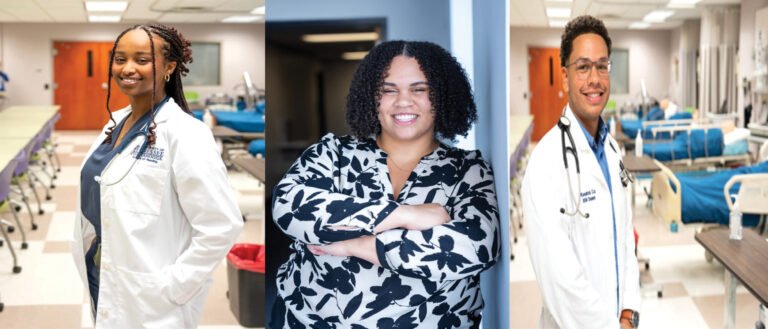
Every year since 2013, the BlueCross BlueShield of Tennessee Foundation has awarded $10,000 scholarships to outstanding students pursuing careers in health care.
“The BlueCross Power of We Scholarship is one way we’ve been working toward health equity,” says Ron Harris, vice president of corporate workforce diversity at BlueCross. “We are proud to support some of our state’s brightest students, and we hope they will use their unique insights and experiences to help deliver high-quality care for all Tennesseans.”
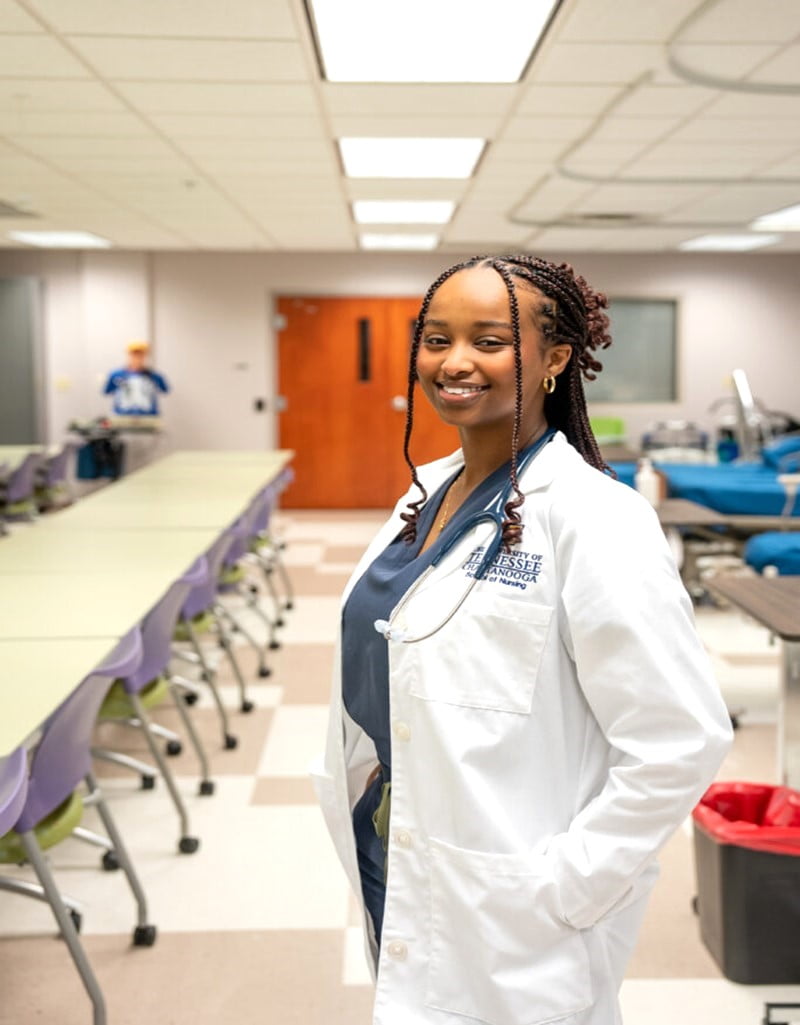
Emmanuella Ingabire acquired in-depth hospital experience at a very young age. She was born with a congenital heart disease called VSD (ventricular septal defect), commonly referred to as a “hole in the heart.”
Emmanuella Ingabire
Her family lived in the Democratic Republic of Congo, where the life-saving surgery she needed wasn’t available. So, when she was eight months old, she and her mother immigrated to the U.S. for surgery at the University of Alabama at Birmingham. Her father and two older sisters were able to join them two years later.
“I have no major health complications now and just have to see a cardiologist for regular check-ups,” Emmanuella says. “I was so young that I don’t have clear memories of having any problems. It was a lot harder on my family than it was on me. Like many immigrants, we had to start over completely when we arrived. In the Democratic Republic of Congo, my father had a bachelor’s degree in accounting, but it was not recognized here, so he went back to school. He now works as a senior accountant for a health care company. My mother got her degree here in health care administration and planning. She is now studying to be a surgical technician.”
Emmanuella’s family lived in Huntsville, Ala. for 8 years before moving to Nashville. At UTC, she is a member of the Go Global Club, which welcomes and shares housing with international students. When she’s not in school, she works as a nurse extern at a local Hospital Corporation of America (HCA) hospital.
“I like to be an open ear for patients and make that human connection,” Emmanuella says.
“I like to be an open ear for patients and make that human connection,” Emmanuella says.
“If I can make that emotional connection with them, it lifts their spirits and allows them to not remain focused on their physical state. They are always so appreciative of the smallest acts of kindness. I find that inspiring.”
After nursing school, Emmanuella plans to work for a year or two before entering graduate school.
“I don’t know exactly what my path will be in terms of graduate degree or specialty,” she says. “I do know that I want to be the resource for those with limited resources, the voice for the voiceless and represent communities that are marginalized and often overlooked. Being awarded the Power of We Scholarship allows me to have a laser focus on academics for the remaining semesters of nursing school and become the best nurse that I can be.”
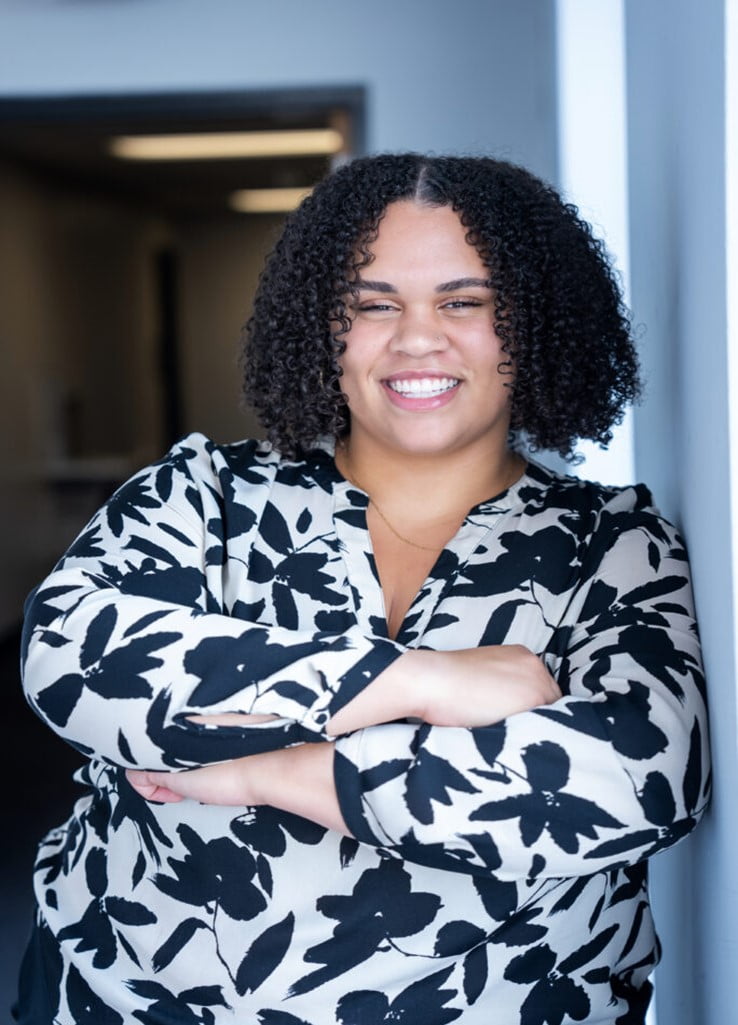
Destini plans to earn her bachelor’s in psychology, then pursue a master’s in mental health , with the ultimate goal of becoming a clinical mental health counselor.
Destini Givens, Senior, Psychology, University of Tennessee at Chattanooga
Destini Givens
“I want to pursue a career in mental health because of my personal experience with it,” Destini says. “I was in a house fire as a child, which led to me developing post-traumatic stress disorder (PTSD). I saw several counselors, but never felt understood or completely seen. In mental health, having someone who can relate to you can literally save lives. That’s why it is important to have minorities in the field.”
A native of Danville, Ill., Destini moved to Chattanooga when she was 13 years old. She attended Ooltewah High School and received her associate’s degree from Chattanooga State through the Tennessee Promise Program. Now at UTC, Destini is on the dean’s list and has been accepted into the psychology honor society.
“So many people are suffering from mental health issues but don’t have access to care,” Destini says. “People we see every day, in the grocery store or wherever we go, are struggling. Society doesn’t see mental health as important as physical health. If someone has a broken leg, they are taken to the hospital, but if someone’s walking around with a severe mental health disorder, we don’t do the same. I want to push for accessibility, for representation and overall care for everyone.”
Destini plans to earn her bachelor’s in psychology, then pursue a master’s in mental health , with the ultimate goal of becoming a clinical mental health counselor.
“Because I work full time, I feel like I am moving slower than some of my peers,” Destini says. “The Power of We Scholarship will help pay for my schooling so I can move closer to achieving my goals.”
And she’s already thinking of ways she’ll use her education to make a difference.
“I want to be a resource for communities that don’t have access to mental health resources,” she continues. “As a counselor, I want to sit across from a young girl just like I was and see and hear her for who she is. Many people run into roadblocks in getting care, whether it’s being a minority, being underprivileged, not having access. I want to clear the path and remove those roadblocks for people.”
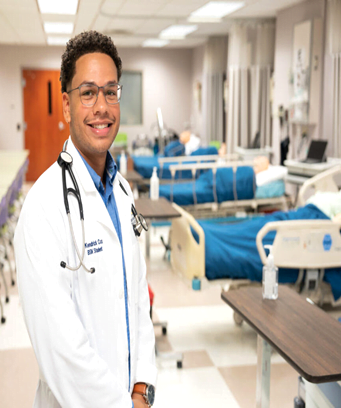
Kendrick Cox, Senior, Nursing, University of Tennessee at Chattanooga
Kendrick Cox
Kendrick Cox has spent a lot of time in hospitals, but it hasn’t been for work or education.
“My grandmother died of heart failure, and my dad has several conditions, including stage 2 kidney disease and heart failure,” Kendrick says. “When Covid-19 hit, all of us got it, but my dad had a severe case. He was in the hospital for months. He was unable to work for almost a year. Through those experiences, I found my calling to be a nurse. I was inspired by the compassion and care the nursing staff brought to their patients and their families. Hospitals aren’t fun places to be, but nurses can make someone’s day.”
Kendrick is working part time at CHI Memorial in Chattanooga as a nurse tech on the urology floor. He also works at an area restaurant. “I’ve been at the restaurant for 5 years, so the people there have become family to me,” Kendrick says. “But I love working in the hospital.
It’s about helping people in need. It can get rough when there are limits to how much you can help. At those times, I just tell myself, ‘This is someone’s grandpa, brother or mom.’ That helps me deliver the best possible care.”
While attending UTC, Kendrick lives at home in nearby Cleveland to save money. He is a first-generation college student.
“My father got his GED but never attended college,” he says. “He is a selfless man who took it upon himself to raise my sister and me alone. He has worked so hard to create a better life for us. When I found out about the Power of We Scholarship, I woke him up, we hugged and just had a moment.”
For Kendrick, the scholarship will help relieve some of the financial burden of school.
“Nursing school is expensive, with many books, fees, and lab differentials. The nursing program is also very rigorous, so I haven’t been able to work as much as I have in the past. The Power of We Scholarship will reduce the financial stress and allow me to focus on pursuing my nursing degree.”
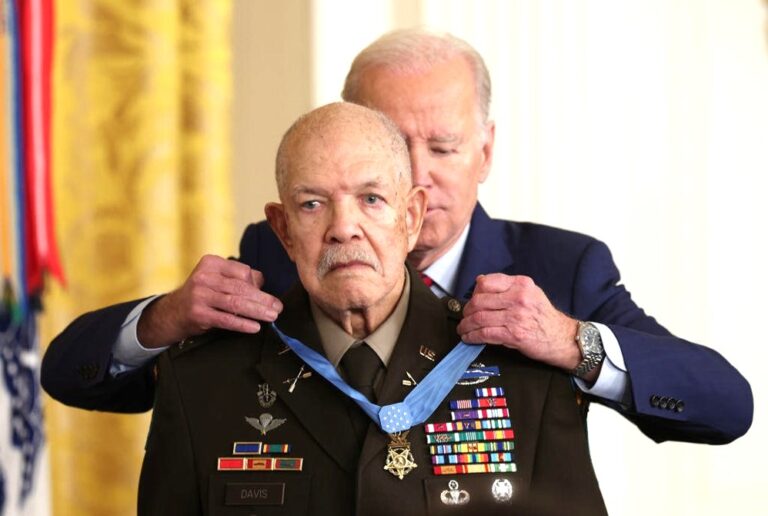
Washington — President Biden awarded the Medal of Honor to Paris Davis, a retired U.S. Army colonel and one of the first Black officers in the Green Berets, for heroism during the Vietnam War nearly 60 years ago, honoring his service at a White House ceremony in March earlier this year.
“This may be the most consequential day since I’ve been president,” the president said. “This is an incredible man.”
Davis saved the lives of his troops on the battlefield in Vietnam and ignored an order to evacuate until all of his teammates were extracted from intense fighting in 1965. His nomination for the nation’s highest combat decoration mysteriously vanished twice at the height of the civil rights movement. Mr. Biden recounted his heroics before bestowing the Medal of Honor.
Davis, then a captain, led an inexperienced South Vietnamese force and several other Americans on a nighttime raid against a larger Viet Cong force near Bong Son in June 1965. While returning, the enemy troops staged a counterattack before dawn.
“Within minutes, the jungle lit up with enemy fire. Hundreds of Viet Cong began to swarm Capt. Davis and his team, pinning them down in a rice paddy with no cover,” Mr. Biden said. “Capt. Davis rallied his team to fight back, getting so close to the enemy he was battling them hand to hand.”
After hours of fighting, Davis realized two of his fellow Americans were injured. One sergeant was in the rice paddy, and a weapons specialist was knocked out in a cesspit. A medic had also been shot in the head.
“Capt. Davis realized he was the last American standing. Without hesitation, he yelled, ‘I’m coming for you. I’m coming for you,'” Mr. Biden said.
Davis returned down a hill to rescue the men multiple times, even after being shot in the leg. He refused medical evacuation when reinforcements arrived, and returned to save a teammate who was wounded in the initial counterattack. He only left the scene once all members of his company had reached safety.
His commanding officer, Billy Cole, later nominated him for the Medal of Honor. But then the paperwork mysteriously vanished. A 1969 military review “did not reveal any file” on Davis.
The president acknowledged the delay in his receiving the Medal of Honor: “I wish I could say this story of Paris’ sacrifice on that day in 1965 was fully recognized and rewarded immediately. But sadly we know they weren’t.”
Davis and those who advocated for him suspect race was a factor.
“And I think that’s a shame,” Regan Davis Hopper, his daughter, told CBS News’ Catherine Herridge ahead of Friday’s ceremony. “Discrimination hurts us all, not just the individual, but our entire country. So, I’m so proud of us to finally set this right.”
“My family hopes that in some small way it could just help us all heal some of the divisions in this country,” she said.
It took the work of a diverse group of volunteers, many who didn’t know Davis but worked to revive his case.
The nomination was recommended by senior defense officials and ultimately approved by Mr. Biden, who called Davis last month to tell him he would receive the Medal of Honor “for his remarkable heroism during the Vietnam War,” according to a White House statement.
“The call today from President Biden prompted a wave of memories of the men and women I served with in Vietnam — from the members of 5th Special Forces Group and other U.S. military units to the doctors and nurses who cared for our wounded,” Davis said in a statement released by him and his family last month.
“I am so very grateful for my family and friends within the military and elsewhere who kept alive the story of A-team, A-321 at Camp Bong Son,” he said. “I think often of those fateful 19 hours on June 18, 1965 and what our team did to make sure we left no man behind on that battlefield.”
With the award, Davis receives a new pension backdated to 1965. He will now be one of just 65 living Medal of Honor recipients, and said he shares it with his special forces soldiers.
“All the other soldiers that you’ve been working with and fighting with, somehow they need to touch that medal. You know, it ain’t all yours,” he said. “It’s for America, too.”
BACK STORY – CBS News Feb 2023: Black Vietnam veteran’s nearly 60-year wait for Medal of Honor is over
Davis’ story, about how his Medal of Honor paperwork mysteriously vanished in 1965, at the height of the civil rights movement, first aired on “CBS Mornings” two years ago.
Military historian Doug Sterner, who served two tours in Vietnam and has written 108 books on service medals, said the Davis case is unique.
“This is a veteran, a war hero, who was submitted for our nation’s highest honor, and the paperwork for that award was actually lost. The military is redundant in paperwork, if nothing else. And so it’s very rare for that to occur,” Sterner explained.
Davis gave his only television interview to “CBS Mornings” about the renewed effort for recognition for him that had been undertaken by a group of volunteers, including a number of veterans. Team members and Davis told CBS News they believed race was a factor in the disappearance of Davis’ Medal of Honor paperwork.
One of the first Black officers to be part of the Army’s Special Forces, Davis’ courage and valor earned him the respect of his soldiers in Vietnam, and a nomination for the award.
In June 1965, Davis, then an Army captain, led a nearly 19-hour raid northeast of Saigon.
“We were stacking bodies the way you do canned goods in a grocery store,” Davis recalled in his interview with CBS News.
Though he’d been hit by a grenade and gunfire, Davis would not leave behind Americans Billy Waugh and Robert Brown. Both were gravely injured — and Brown had been shot in the head, Davis said.
Davis said he was twice ordered to leave, but according to an interview he gave in 1969 to then-local TV host Phil Donahue, he responded to his commanding officer, “Sir, I’m just not going to leave. I still have an American out there.”
In April 2021, in a rare interview, the sole surviving witness to Davis’ actions, 91-year-old Billy Waugh, described to CBS News how he had been shot multiple times in the legs and was unable to walk.
“We ended up in an open area together,” Waugh said. “He (Davis) grabbed me, and he (dragged) me.”
Waugh, who went on to have a storied career in both the Special Forces and the CIA, said he submitted Medal of Honor paperwork for Davis and heard that it was making its way through the system. Davis’ commander, Billy Cole, also recommended Davis for the medal.
But Davis never received the award — his file disappeared in Vietnam that same year. A 1969 military review “did not reveal any file on Davis,” according to the Defense Department.
Neil Thorne was part of the volunteer team that pieced together the Medal of Honor paperwork through archival searches and the Freedom of Information Act.
“Everybody I’ve talked to that served under him (Davis) says that he’s the best officer they’ve ever served under,” he said.
Thorne agreed with Sterner that the loss or destruction of Medal of Honor paperwork is “very uncommon,” adding that “there would’ve been multiple copies.”
In 1969, after a military hearing into the status of the Davis Medal of Honor nomination, the Army was ordered to submit a new packet “ASAP” for Davis, but for a second time, there was no evidence that a Medal of Honor file was created.
In 1981, with no award for Davis, Waugh said he wrote a personal statement. “I wanted to redo it, to see why it hadn’t gone,” he said.
Waugh, whom Davis carried to safety, wrote in a 1981 statement, “I only have to close my eyes to vividly recall the gallantry of this individual.”
Over the years Davis’ fellow soldiers also lobbied Congress. But each time, the process stalled.
“I know race was a factor,” Davis told CBS — a factor he says he experienced during his 23 years in the Army. Davis said he recalled telling troops, “you can call me Capt. Davis … but you can’t call me a n*****.” But “it did happen,” Davis said.
Only 8% of Medal of Honor recipients for Vietnam are Black.
An expedited review of Davis’ nomination was due in 2021 for Davis who is now nearing his 86th birthday and was hospitalized multiple times in 2022 for injuries related to his Vietnam service. CBS News’ reporting revealed bureaucratic delays and unnecessary stumbling blocks that further delayed the award for Davis.
The packet was previously signed by then-Secretary of the Army Mark Esper, and more recently by the current secretary of the Army, Christine Wormuth. In late December, Defense Secretary Lloyd Austin signed off, with the paperwork sent to the White House for final approval by Mr. Biden.
Davis and his family also acknowledged senior military leadership and the team of volunteers, many of them veterans. “Our family appreciates the volunteer team that advocated for us through the years,” their statement said, and went on to thank the president and current and former Defense Department officials.(BY CATHERINE HERRIDGE – UPDATED FEBRUARY 14, 2023-CBS NEWS)