One of the nation’s highest honors recognizes notable community contributions
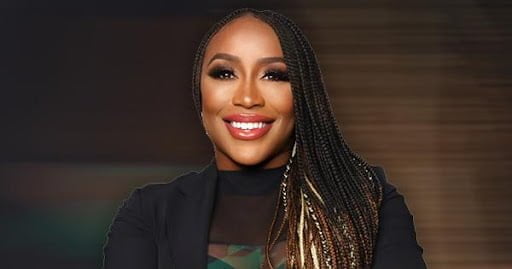
Nationwide — Honoring her remarkable leadership and service, Dr. Velma Trayham, a native of Houston, Texas, has become one of few Black female entrepreneurs to have been awarded the Presidential Lifetime Achievement Award by President Joe Biden. The annual awards honor a select few who “exhibit outstanding character, work ethic and dedication to their communities.”
Dr. Trayham is the founder and CEO of Thinkzilla Consulting, one of the nation’s fastest-growing diversity, equity, and inclusion consulting firms, and founder of the Millionaire Mastermind Academy, a leading nonprofit organization that addresses the barriers to economic mobility for women who have been systemically and historically underserved and excluded by providing entrepreneurial training and mentorship programming to help women minority women rise above poverty through empowered entrepreneurship.
The Presidential Lifetime Achievement Award was presented during the Gathering of Queens Economic Empowerment event, hosted by the Millionaire Mastermind Academy in Houston to share new strategies and dynamic leadership principles for success. Recipients of the award must have completed a minimum of 4,000 hours of volunteer service.
According to presenter Dr. Verna Caddie, “Dr. Velma received The Presidential Lifetime Achievement Award from President Joe Biden and Vice President Kamala Harris for all of the hard work she does to help so many people change their lives, by ending poverty through entrepreneurship.”
Dr. Trayham was honored with the award based on her career of supporting more than 8,000 women to excel in diverse small businesses while launching a $500,000 scholarship fund to move women out of poverty through entrepreneurial training and mentorships. Likewise, through Dr. Trayham’s leadership, Thinkzilla has helped more than 200 prominent public and private organizations expand DEI initiatives, enjoy exponential growth and reach new audiences.
“I am passionate about breaking generational curses and equipping others to rise above poverty,” added Dr. Trayham, who is recognized as one of the nation’s top business experts and motivational speakers. “I am also incredibly fortunate to love the work I do, the people I work with, and the communities we serve.”
Dr. Velma Trayham is an award-winning entrepreneur, author, speaker, and economic empowerment specialist who believes in the power of inclusive, equitable businesses to create community and spark change. The CEO of Thinkzilla Consulting Group, which brings greater awareness to initiatives that support underserved communities, Dr. Trayham also founded the Millionaire Mastermind Academy, which has mentored more than 5,000 minority women business owners in its first three years.
Professor of Bioethics and Humanities, School of Medicine, University of Washington
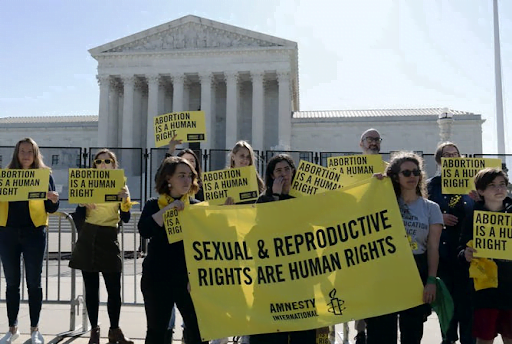
Controversy over abortion reached a fever pitch on May 2, 2022, when the leaked draft of a U.S. Supreme Court majority opinion was published by Politico. If the draft’s key points are reflected in the final ruling, this would strike down Roe v. Wade, a landmark decision that nearly 50 years ago established the right to choose an abortion.
Current constitutional law grants a right to have an abortion until a fetus becomes viable – in other words, until there is a reasonable probability it could survive outside the womb with care. Today, this typically occurs between the 22nd and 24th weeks of pregnancy.
The ruling in Roe v. Wade was grounded on the idea that the U.S. Constitution protects privacy, stemming from the 14th Amendment. However, the draft majority opinion, written by Justice Samuel Alito, argues Roe v. Wade should be overturned because the Constitution makes no mention of abortion.
While a final ruling is not expected before June 2022, the decision will not put to rest controversy over abortion. Why does the legalization of abortion continue to be hotly contested, nearly a half century after Roe v. Wade? This question is of great interest to me, as a philosopher and bioethicist, since I study philosophical problems that lie just beneath the surface of contemporary controversies like abortion.
Defining personhood
One underlying ethical concern is, “What is a person?” How people answer this question shapes how they think about a developing human being. When philosophers talk about “personhood,” they are referring to something or someone having exceptionally high moral status, often described as having a right to life, an inherent dignity, or mattering for one’s own sake. Non-persons may have lesser rights or value, but lack the full moral value associated with persons.
To be a person means having strong moral claims against others. For instance, persons have a claim to be treated fairly and a claim not to be interfered with. A healthy adult human being is often considered the clearest example of a person. Yet, most philosophers distinguish being a person from being human, pointing out that no one disputes the fetus’s species, but many disagree about the fetus’s personhood.
In current law, fetal viability is often used to mark the beginning of personhood. However, viability varies based on people’s access to intensive medical care. It also changes as medicine and technology advance.
Some state laws restricting abortion identify the presence of a “fetal heartbeat” as morally significant and use this as a basis for personhood. However, many living things have beating hearts, and they are not all considered persons. And as physicians point out, though they may use the term “fetal heartbeat” in conversations with patients, the fetus does not yet have a functioning heart that generates sound during early development.
Defining the limits of personhood is especially dicey due to its far-reaching consequences. Personhood carries implications for how we treat animals, ecosystems and anencephalic infants, who are born with their cerebral cortex and large parts of their skull missing. It also shapes the rights of people who will be born in the future, people with disabilities and individuals in a persistent vegetative state. Debates over personhood have recently extended to robots.
Personhood is also important for issues at the end of life, such as disputes over defining death. Physicians have disagreed with families over whether to declare a patient dead or continue to offer medical interventions. Philosophers have debated whether a person’s death occurs as soon as “higher” brain activity ceases – activity associated consciousness and cognition – or only after all brain activity ends.
When personhood begins
In short, there are plenty of reasons to figure out what personhood requires. Doing so demands wrestling with at least three common opposing views.
The first holds that fetuses qualify as persons from the moment of conception. Supporters say that from conception on, the developing fetus has “a future like ours,” and abortion takes that future away. A variation on this theme is that at conception, a fetus has the full genetic code and therefore the potential to become a person, and this potential qualifies the fetus as a person.
A second view regards personhood as arising at some point after conception and prior to birth. Some people reason that a human being’s moral status is not all-or-nothing, but, like human development, a matter of degree. Others say that what matters is consciousness and other cognitive capacities, thought to develop late in the second trimester.
Finally, a third view maintains that personhood begins at birth or shortly thereafter, because this is when an infant first acquires a sense of themselves and an interest in their own continued existence. Another source of support for the third view is Enlightenment philosopher Immanuel Kant’s claim that what makes human beings morally special is their rationality and capacity to be autonomous.
Conflicts between persons
Which view about personhood is right? If a society can’t agree about personhood, another strategy would be to imagine that one’s opponent’s view is right, and consider the implications.
Suppose, for example, that fetuses are persons. Since pregnant people are too, how should conflicts between them be settled? Suppose a pregnant person’s life were in jeopardy: whose right to life prevails? Some hold that under these conditions, abortion is justified by appealing to self-defense, but others say killing in self-defense is not justified if the threat is “innocent,” without intention of doing harm.
Even when a pregnant person’s life is not in danger, some philosophers argue that a fetus’s right to life would not automatically override a pregnant person’s right to live their life as they wish. In a famous article, ethicist Judith Jarvis Thomson used the hypothetical example of someone extremely ill, who could only be saved by actor Henry Fonda touching their brow. Must Fonda attend to them? She argued no: a right to life is not usually understood as a claim to whatever one needs to stay alive. Instead, it requires not having one’s life unjustly ended.
When weighing rights, it is important to consider the toll exacted when people wishing to terminate a pregnancy are prevented from doing so. A decade-long study showed people in this situation suffered adverse health effects; were less likely to have money for basic living expenses like food, housing and transportation; and were more likely to remain with violent partners. Since the risk of dying from childbirth is much greater than the risk of dying from legal abortion, a ban on abortion is projected to increase maternal mortality.
The constitutional right to abortion will likely soon be settled. If the Supreme Court strikes down Roe v. Wade, this will raise yet more ethical questions – about fairness, for example, considering, that people living in poverty and members of minority groups would be among those most affected, and that a majority of Americans support abortion rights.
Only by shifting the conversation from politics and law to ethics will Americans start to reckon with what truly matters in abortion debates.
The mission to uplift minority-owned businesses continues into 2022.
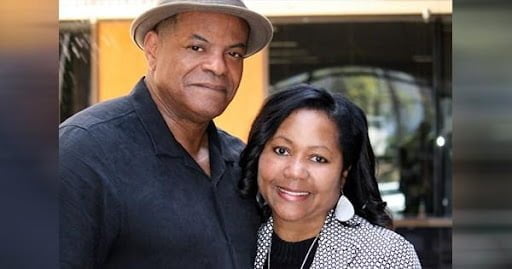
Nationwide — Allen and Subriana Pierce, the founders of the Navigator Lighthouse Foundation, a 501(c)(3) non-profit organization based in Orange County, California that supports minority and women entrepreneurs in the food retail industry, are celebrating the one year anniversary of their foundation. Both are HBCU graduates. Allen graduated from North Carolina Central, and Subriana graduated from Spelman.
In the past year, their foundation has welcomed over two dozen minority and women-owned brands into their first cohort of members. Over 18 organizations were there to support and engage with the foundation’s educational opportunities by co-hosting a series of webinars alongside the Subriana and Allen. As 2022 begins, NielsenIQ, D4DT, Meeschell, One Venture Group, and ECRM are continuing their involvement as partners of the Navigator Lighthouse Foundation. The entrepreneurs also heard from retailers such as Shoprite, Costco, and Albertsons.
To celebrate its first anniversary, the Navigator Lighthouse Foundation hosted a Pitch Contest to give its members a platform in front of a panel of leading retailers and investors in the grocery retail industry. Ten brands in the first cohort of the foundation pitched their brands to leaders from Gelson’s Supermarkets, Founders First Capital, Jewel-Osco, KeHE Distributors, IFundWomen, and Strong Connexion.
Rebecca Sytn, the Founder and Managing Partner of Blind Tiger; Max Doggett, the President of Safari Meats; and Pennie Crocket, the Founder and CEO of Pennies Teas, took home the first, second, and third-place prizes in the Pitch Contest, with Blind Tiger also winning the favor of the audience with the Audience Choice Award. Nearly $10,000 was awarded to the three winners in addition to opportunities with several key retailers and investors on the judge’s panel.
Maxx Doggett, the President of Safari Meats, reflected on his time as a member, “The information and resources I’ve accumulated through the foundation’s training sessions are priceless. For the entrepreneur that wants to see their business go to the next level, the Navigator Lighthouse Foundation will help you build a strong base for your company.”
Members of the Navigator Lighthouse Foundation gain access to exclusive opportunities with leading retailers, distributors, and support organizations. Tracey Richardson, the CEO and Co- Founder of Lillies of Charleston, says, “We were provided access to close to 100 retail buyers which couldn’t be achieved through our own efforts.”
Founding Board member, Allen Pierce says “We are so proud of many of these brands. They are going on to distribution at Walmart, Sam’s Club, Giant, Gelson’s, and other retailers. For our training curriculum to have played a part in any of this success is what motivates us to do more.”
The hard work continues in 2022 as the Navigator Lighthouse Foundation opens applications for their next cohort of members. If you have ever felt unheard or unseen by the food industry, the Navigator Lighthouse can help illuminate a tailored pathway for your unique brand. Apply now at navigatorlighthousefoundation.org/apply-now
People who choose to skip sleep to study, work or play late into the night may find they’ve extended not just their waking hours but also their tummies.
Less sleep means more eating
A small new study found that the basic problem sources back to the fact that people who don’t get enough sleep tend to eat more. Even worse, all those extra calories wind up precisely where most people don’t want it: around the belly.
“Our work focused on people who chose to sleep less,” explains study author Dr. Virend Somers, a professor of cardiovascular medicine with the Mayo Clinic College of Medicine in Rochester, Minn. “It wasn’t about insomnia, so much as, say, a student in college who decides they find it necessary to sleep less for a while in order to get their work done.
“But what we found is that when a relatively young, healthy and lean person is sleep-deprived and has unrestricted access to food, he or she eats 300 more calories per day,” Somers adds.
That extra food did not appear to lead to enormous weight gains, the researchers acknowledge. Yet, it did appear to translate into a “stunning” 11% increase in so-called “visceral fat,” Somers shares.
“That’s the fat that wraps around the belly and the internal organs,” he notes. “The fat which you really can’t see. But it’s actually the most dangerous fat.”
That is because deeply deposited visceral fat “produces all kinds of toxic things that cause heart and blood vessel disease,” including high blood pressure, high blood sugar and high cholesterol — all of which can notably elevate the risk for developing diabetes.
How less sleep widens your waistline
Somers and his colleagues reported their findings in the April 5 issue of the Journal of the American College of Cardiology.
They note that more than a third of American adults regularly fail to get enough sleep due to lifestyle choices, such as working night shifts or falling prey to the lure of social media.
To explore the impact of sleep loss on fat accumulation, investigators enlisted 12 healthy people aged 19 to 39 between 2013 and 2018.
None of the participants was obese. All were asked to complete two
in-laboratory study phases, each lasting three weeks in total.
In one phase, two weeks involved significant daily sleep restriction, meaning nighttime sleep of just four hours. The other phase involved no sleep restriction.
Throughout each phase, “we monitored all the food they had,” Somers shares. “But they could eat or order anything they wanted.”
The team found that protein intake rose by 13% and fat intake went up by 17% during the sleep restriction phase, while activity levels remained more or less constant.
Still, “the interesting thing is that when sleep restriction occurred, they only gained about a pound in weight over the study time frame, which is not a large increase,” Somers shares.
“But what really surprised us,” he adds, “is that even after sleep restriction was stopped and eating levels fell back [down], visceral fat continued to increase.
“We don’t know why this happened. We also don’t know what this might mean for people who are already obese. Or for people who struggle with insomnia that they can’t control. That will be for future research,” Somers shares.
How to weight gain
“But what we can tell already is that even for healthy people who lose sleep by choice, this is not a switch you can readily turn off once you turn it on,” he says. “And what’s really important to understand here is that catch-up sleep — after sleep loss — will not necessarily bring you back to normal.”
Somers’ advice: “If you are going to be sleep-deprived for a prolonged period you should pay particular attention to how much food you eat and what your food choices are. And be more conscientious about exercising.”
Also, since visceral fat rises even if the scale barely budges, “know that measuring your weight alone is not going to tell you if things are good or bad,” he says.
The thought was seconded by Dr. Harold Bays, medical director and president of the Louisville Metabolic and Atherosclerosis Research Center, and author of an accompanying editorial.
“Abnormal sleep patterns — especially when due to stress — are likely to worsen body fat function, increase visceral or belly fat, and worsen body composition, even without much change in body weight,” Bays adds. But the solution, he suggests, is simple: Get enough sleep. (Source: BlackDoctor.org by Jessica Daniels)
Nationwide — Better Life Technologies Group, Inc., a Black-owned biotech firm based in San Diego, California, has been granted a patent for technology that will be used for the non-invasive detection of glucose and pathogens including COVID-19 and any variant. Their newest issued patent is US 10,959,651 B1. Accordingly, they may have applications for non-invasive cancer detection. This will be achieved by a wearable wristband or a smartwatch that integrates our revolutionary technology.
George McKinney, the founder and CEO of the company, comments, “The application for this technology is endless. Better Life is now ready to manufacture, sell, or partner with an IP firm to positively impact the healthcare system throughout the world. So we are pivoting to allow outside IP firms to participate in this revolutionary technology.”
He continues, “The goal of this transition is to develop the market-ready version of our technology which we believe could seriously curb the infectiousness of COVID. This version will be fully miniaturized and contain all the necessary wireless communication capabilities.”
Better Life Technologies Group, Inc. plans to obtain FDA approval and all the market certifications, as well as marketing a version of their technology that does not require FDA approval. This will be a licensable product that we can effectively market and mass produce.
McKinney continues, “For this phase, it’s imperative that we are partnered with an entity that can not only fund development monetarily but also assists with development technically.”
This stage will be the catalyst for the creation of several additional patents as well. This step is monumental in its own right and is broken down into 3 steps. Miniaturization, validation and going to Market which we will do in partnership with ready, willing, and able IP development firms that can move this process forward.
Finally, to sum it up, their device will detect the specific signature of any chemical composition in the human body ie., cancer, magnesium, calcium, hormonal levels, through our newly developed proprietary method of detecting gases as they are emitted from the epidermal layer of the skin in so doing we are able to measure its exact levels in of the blood from there, and there is no limit on what can be read and diagnosed.
Unemployment Remains at Its Lowest Level in State History
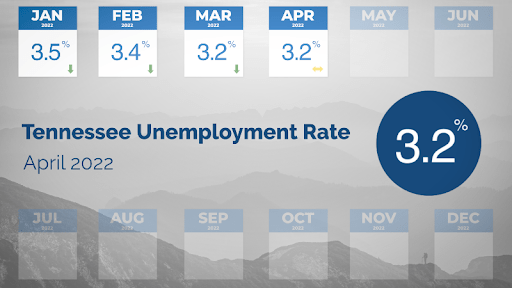
NASHVILLE – New data from the Tennessee Department of Labor and Workforce Development (TDLWD) revealed unemployment across the state remained at a historic low in April. The state reached its all-time low unemployment rate in March, and April’s seasonally adjusted rate of 3.2% mirrored the previous month’s record-breaking number.
The April 2022 rate is 1.6 percentage points lower than it was one year ago. In April 2020, unemployment in Tennessee reached its highest level ever at 15.9%. Two years later, the rate is 12.7 percentage points lower than it was during the height of pandemic-related business closures.
The number of Tennesseans in the workforce also hit new highs in April. Statewide, the seasonally adjusted civilian workforce grew to 3,388,426 from March’s total of 3,370,646. The number of Tennesseans employed came in at 3,278,825, compared to 3,261,628 for the previous month.
Employers across the state added 7,700 nonfarm jobs between March and April. The leisure and hospitality sector saw the largest number of new positions. The professional and business services sector had the next biggest increase in jobs, followed by the mining, logging, and construction sector.
Over the last 12 months, the state’s employers added 145,600 nonfarm jobs. The leisure and hospitality sector created the largest percentage of those jobs, followed by the trade, transportation, and utilities sector and the professional and business services sector.
Unemployment across the nation also remained unchanged in April at 3.6%. One year ago, the national rate came in at 6%.
TDLWD has produced a complete analysis of the state’s unemployment data for April 2022. That report is available here.
The state offers Tennesseans trying to return to the workforce a variety of free services that can help them find meaningful employment. Job seekers can take advantage of career counseling, job search assistance, and even programs to help pay for necessities such as uniforms and gas. Many of those services are available both online and in person. TNWorkReady.com has all the information needed to get started.
The state of Tennessee will release county unemployment data for April 2022, on Thursday, May 26, 2022, at 1:30 p.m. CDT.
TA worrisome international outbreak of monkeypox, a less harmful cousin of the smallpox virus, has now reached the United States and Canada.
What is monkeypox?
Monkeypox is a rare disease, which generally occurs in remote parts of Central and West Africa. The virus was first discovered in 1958 when two outbreaks of a pox-like disease occurred in monkeys. The first known human case occurred in 1970 in the Democratic Republic of the Congo, and it has since been reported in humans in other central and western African countries, according to the CDC.
As of last week (May 20) 92 confirmed cases of the illness, and 28 more suspected cases, have been reported across 12 countries, according to the World Health Organization.
Cases of monkeypox had previously been seen only among people with links to central and West Africa, according to the Associated Press. But in the past week, the United States was among seven countries reporting infections, mostly in young men who hadn’t previously traveled to Africa. France, Germany, Belgium and Australia confirmed their first cases on Friday, May 20th.
Between 1 and 5 confirmed cases are currently under investigation in the United States, WHO said.
The latest wave of monkeypox was first seen in the United Kingdom, Portugal, Spain and other parts of Europe in early May. On Friday, the U.S. Centers for Disease Control and Prevention was monitoring six people in the United States for possible infection. They sat near one infected traveler on a flight from Nigeria to the United Kingdom in early May.
CDC officials are also investigating a confirmed case of monkeypox in a Massachusetts man who recently traveled to Canada, according to CNN. And the New York City Health Department is probing a possible infection in a patient at Bellevue Hospital there.
Monkeypox symptoms
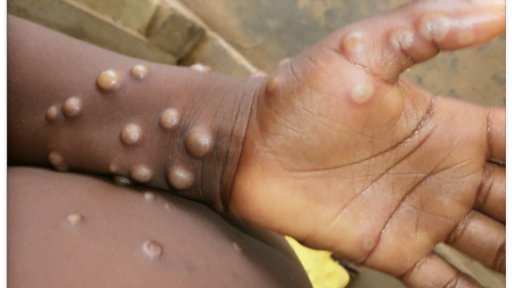
The illness begins with fever, swollen lymph nodes and other flu-like symptoms (chills, headache, muscle aches and fatigue), followed by a telltale rash on the face that spreads to other areas, including genitals, hands and feet.
The rash typically affects the…
face, which is the most common site
palms of the hands
soles of the feet
mouth
genitalia
eyes, including the conjunctivae and cornea
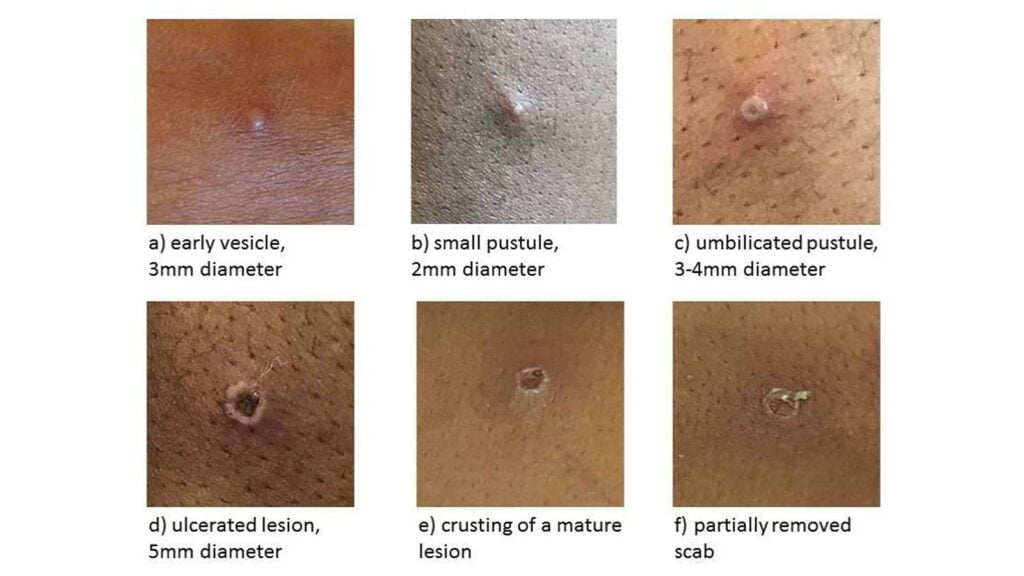
The rash consists of lesions that evolve in the following order:
macules, or flat discolored lesions
papules, or slightly raised lesions
vesicles, or bumps with clear fluid
pustules, or bumps with yellowish fluid
scabs
A rash caused by monkeypox can cause severe itching and go through several stages before the legions scab and fall off.
A monkeypox infection typically lasts two to four weeks and usually clears up on its own.
“It can last for several weeks, and people can feel fairly ill,” says Anne Rimoin, chair of infectious diseases and public health at the University of California, Los Angeles.
How do you get monkeypox virus?
Monkeypox is primarily spread from animals to humans — and less often from person to person because close contact with bodily fluids is needed, adds Hannah Newman, director of epidemiology at Lenox Hill Hospital in New York City.
Risk factors for past outbreaks included contact with live or dead animals and consumption of wild game or bush meat from wild animals, Newman adds.
Once the virus jumps from an animal to a human, human-to-human transmission can occur through direct contact with respiratory droplets, bodily fluids or skin lesions.
Animal-to-human transmission, on the other hand, may occur through a bite or scratch.
The virus can enter the body through broken skin, the respiratory tract or through the eyes, nose and mouth.
“Anyone experiencing an unusual rash or lesion and who has risk factors [or had sexual encounters with someone who has] should seek care immediately,” she says.
Many of the newer cases worldwide have occurred among gay and bisexual men.
On Monday Enrique Ruiz Escudero, senior health official in the Spanish capital of Madrid, said the city has recorded 30 confirmed cases of monkeypox so far. He said authorities are investigating potential links between a recent Gay Pride event in the Canary Islands, which drew some 80,000 people, and cases at a Madrid sauna.
According to Newman, “it appears that there may be a sexual transmission component to the current outbreak, which we haven’t seen in previous outbreaks.” Gay or bisexual men may be at special risk during the current outbreak, she notes.
Monkeypox treatment
Although there are no proven safe treatments for monkeypox, doctors are certain that the virus can be controlled.
“I feel like this is a virus we understand, we have vaccines against it, we have treatments against it, and it’s spread very differently than SARS-CoV-2 (the virus that causes COVID-19),” Dr. Ashish Jha, the White House COVID-19 response coordinator, told ABC News on Sunday.
“It’s not as contagious as COVID. So I am confident we’re going to be able to keep our arms around it,” Jha says. “But we’ll track it very closely and use the tools we have to make sure we can continue to prevent further spread and take care of the people who get infected.”
Smallpox vaccines, antivirals, and vaccinia immune globulin (VIG) can be used to treat monkeypox and have been proven to be effective at preventing the spread of the virus. The U.K. and Spain are now offering the vaccine to those who have been exposed to infections to help reduce symptoms and limit the spread.
In fact, the U.S. government has already placed a $119 million order for the vaccine with an option for more. British health authorities are offering smallpox shots to some health care workers and others who may have been exposed to monkeypox.
Is monkeypox deadly?
In Africa, anywhere from 1% to 15% of people with monkeypox will die from the virus. “Severe disease and [death] is higher among children, young adults, and immunocompromised individuals,” Newman adds.
While it does not occur naturally in the United States, this is not the first time monkeypox has been seen in the nation. A 2003 outbreak was linked to infected prairie dogs imported as pets.
Still, many questions about the new outbreak remain.
“We need to monitor it and understand how it is behaving and how it has been introduced into the new population,” Rimoin shares.
The 2003 U.S. outbreak, for example, was quickly contained through extensive testing, deployment of smallpox vaccine and treatments, and guidance for patients, health care providers, veterinarians and other animal handlers.
“All 47 people recovered, and none of the 47 cases spread the illness to another person,” she adds.
“I’m stunned by this. Every day I wake up and there are more countries infected,” says virologist Oyewale Tomori, who sits on several World Health Organization advisory boards.
“This is not the kind of spread we’ve seen in West Africa, so there may be something new happening in the West,” he told the AP.
Despite all of these recent infections in areas where the virus is uncommon, and newfound concern that the disease may spread through sexual contact, health experts are warning against overreacting. Unlike newly emerging diseases like COVID-19, monkeypox is well understood and effective treatments are available.
“Nobody should be panicking,” says Anne Rimoin, chair of infectious diseases and public health at the University of California, Los Angeles. “Monkeypox is a known virus that is being introduced into a new population.”
How do you prevent monkeypox virus?
Prevention depends on decreasing human contact with infected animals and limiting person-to-person spread. According to Cleveland Clinic, you can prevent monkeypox virus by:
Avoiding contact with infected animals (especially sick or dead animals).
Avoiding contact with bedding and other materials contaminated with the virus.
Washing your hands with soap and water after coming into contact with an infected animal.
Thoroughly cooking all foods that contain animal meat or parts.
Avoiding contact with people who may be infected with the virus.
Using personal protective equipment (PPE) when caring for people infected with the virus.
If you experience new rashes or are concerned about monkeypox, contact your healthcare provider. To diagnose monkeypox, your healthcare provider will take a tissue sample that is looked at using a microscope. You may also need to give a blood sample to check for the monkeypox virus or antibodies your immune system makes to it.
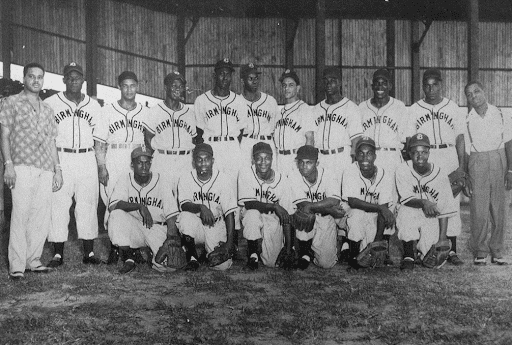
CHATTANOOGA, Tenn. – The Chattanooga Lookouts will take the field as the Chattanooga Choo-Choos and play against the Birmingham Black Barons during Negro League Appreciation Weekend at AT&T Field, sponsored by the Bessie Smith Cultural Center in partnership with Food City and TVFCU.
This two-day celebration will take place on Friday, May 27 and Saturday, May 28. On Friday night the team will cap off the night with a spectacular postgame fireworks show and on Saturday the first 1,000 fans through the gates with receive a commemorative Negro League Weekend seat cushion.
“We are excited and incredibly thankful for Food City and TVFCU for their support of this historic weekend at AT&T Field,” said Paula Wilkes, President of the Bessie Smith Cultural Center. “It is important to honor the incredible legacy of the Negro Leagues and be able to share their story with the Chattanooga community.”
On Negro League Appreciation Weekend, the Lookouts will wear Chattanooga Choo-Choos jerseys to honor the minor league Negro League team that played at Engel Stadium from 1940 – 1946. The Barons will don the jerseys of the Birmingham Black Barons who were members of the inaugural Negro Southern League in 1920.
The two games between the Choo-Choos and the Black Barons will also feature appearances from former Negro League players including Alfonsa Holt, Sr., Reginald Howard, Russell “Crazy Legs” Patterson, and Charles White. On each night the Negro League alumni will be honored in a pre-game ceremony and be available for autographs during the game.
Prior to Saturday’s game, the Bessie Smith Cultural Center is inviting fans to join the Negro League Players for a meet-and-greet breakfast, sponsored by Erlanger, at 10:00 a.m. Tickets for the breakfast are just $10 and can be reserved by calling 423-266-8658.
Tickets for Negro League Appreciation Weekend are on sale now at Lookouts.com! For more information on how to secure your seats to the season’s best games, call the Lookouts’ ticket office at 423-267-4TIX.
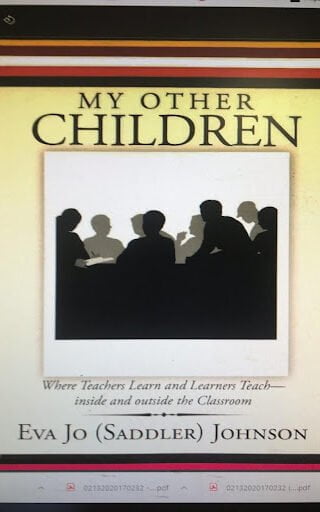
In her book, “My Other Children: Where Teachers Learn and Learners Teach–Inside and Outside the Classroom,” Eva Jo (Saddler) Johnson recounts her experiences as a special needs educator.
Investing in youth is her passion, and Johnson’s book shines a light on the relationships she’s built over the years with her beloved students.
“It started out with me keeping journals on students about what their year was like, and my experiences with them,” Johnson recalled.
Many of her special needs students struggled within the education system, while dealing with emotional problems, behavioral challenges, racial tensions and socioeconomic disparities.
But Johnson said she was determined not to become these students’ “babysitter,” but to “guide them to their strengths as they move on to graduate to independent life.”
Johnson said her life story serves as a testimonial to her dedication for this “most challenging educational area,” and to her helping special needs students “come to terms with their limitations, develop strengths, and still find a way to make a life for themselves and contribute to society.”
Now retired, Johnson moved back to Chattanooga in 2008. She is a true volunteer, working nearly as hard now as she did all those years in the classroom.
“I don’t know, I guess it is just who I am, to get out and do as much as I can for the community,” she shared.
Johnson was born in Chattanooga and raised in the College Hill Courts projects. She graduated from Howard High School, worked hard to attend college and eventually moved to Connecticut–where she earned bachelor’s and master’s degrees from Southern Connecticut State University and served many years as a teacher, with a focus on special education and alternative educational programs.
Johnson’s life has been filled with mission work, social work, church work and community outreach. She was active for many years with the National Urban League, and has received numerous awards for her activism in education, community service and human rights.
She is a member of Alpha Kappa Alpha Sorority, Inc.
“My main goal in life is inclusion, unity and diversity,” Johnson explained. “I grew up in Chattanooga at a time when people were segregated and they separated themselves. This also happens in schools. Oftentimes, special needs students are so categorized, and they separate themselves. This harms students. I suppose that’s what I wanted to get across in my book.”
Johnson has three children, and lost another in a construction accident. She has two grandsons.
She is currently working on a book called “Ponder This.”
“My Other Children: Where Teachers Learn and Learners Teach–Inside and Outside the Classroom” is available via Amazon, Barnes and Noble, Ebay and AuthorHouse.
Okay, you don’t know me and until a week ago, I didn’t know you.
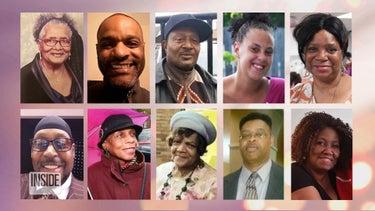
But since you disrupted my life when you snuffed out the lives of 10 African Americans in Buffalo, I decided to write you a letter. I include pictures of your victims because I want you to see them in your worst nightmares during your years behind bars.
Now the truth is that the awful thing you did was still unsettling even as we’ve become numb to mass shootings in the U. S. What you did to my people in Buffalo was no different from last year’s massacre of Asians in Atlanta, 2019’s massacre of Latinos in El Paso, 2015’s massacre of African Americans at a church in Charleston or the slaughter of people in that synagogue in Pittsburgh. Those who carried out those dreadful acts are probably the ones who inspired you to arm yourself and make the 200-mile drive to Buffalo to initiate the carnage.
From I’ve read about you gunman, apparently you suffered so much from boredom in your hometown of Conklin, New York that you read everything you could get your hands on about “Replacement Theory,” the cockamamie conspiracy theory that people of color and immigrants are out to “replace” white people in America. And somewhere you probably came across and was inspired by the “Jews won’t replace us” placards and chants by Alt-Right marchers in Charlottesville, Virginia in 2017. Am I right gunman?
Unfortunately, there are lots of people who share your twisted “replacement” belief but defer to losers like you to act on them while they cheer you on from the safety of their campaign rallies, TV studios, bars, pristine golf courses in Florida and “members only” country clubs. Yep, you’ve been played gunman. While you’ll be fed tasteless prison food, they’ll be chomping down on rare steaks and sipping fine wine.
You found time to write a 180+ page “manifesto” – an instruction manual for copycats I suppose – laced with hate (“N-word” this, “N-word” that, on and on and on).
Well, I have some news for you gunman. If you think that you were bored in Conklin, oh boy, you won’t know what real boredom is until you are locked up for the rest of your life for the murders you committed. The friends you thought you had will disappear – vamoose! – like Houdini out of the bottom of a wooden trunk.
Now I’ve never heard of Conklin. But thanks to you the image of that city has been irreparably tainted at a time when the city had the pandemic, inflation, skyrocketing gasoline prices and other more important things to worry about. I cannot imagine the level of pain you’ve caused your family and others who knew, or thought they knew you personally.
Look gunman, never in my wildest imagination have I worried about being shot in the checkout line at a grocery store, church, mall or concert by someone as hate filled as you. Never.
So because of you, do I now have to look over my shoulder with a wary eye at any “suspicious looking” young white male when I’m out? Do I need to stay clear of events that attract large numbers of African Americans, say churches, funerals, Historically Black Colleges and Universities athletic events, homecomings and graduations?
Does it make sense for me now to only attend the fragile safety of large gatherings where I’m the only one or just a few of those who look like me? Would it be wise for me to now don a bullet proof vest to protect myself whenever I leave home?
So tell me, are there any safe spaces in America where I and millions of other African Americans don’t have to concern ourselves with being taken out by your ilk because of our race?
I’ll end with an excerpt from a piece by Pulitzer Prize winning columnist Leonard Pitts in the aftermath of the 9/11 terrorist attack, a few years before you were born gunman. Strike out the words “World Trade Center” and “Pentagon” in the first paragraph and replace them with the word “Buffalo”:
“What lesson did you hope to teach us by your coward’s attack on our World Trade Center, our Pentagon, us? What was it you hoped we would learn? Whatever it was, please know that you failed.
Did you want us to respect your cause? You just damned your cause.
Did you want to make us fear? You just steeled our resolve.
Did you want to tear us apart? You just brought us together.
Yes, we’re in pain now. We are in mourning, and we are in shock. We’re still grappling with the unreality of the awful thing you did, still working to make ourselves understand. Still, I keep wondering what it was you hoped to teach us. It occurs to me that maybe you just wanted us to know the depths of your hatred. If that’s the case, consider the message received. And take this message in exchange: You don’t know my people.”
In closing gunman, you’ve got lots of time, years in prison hopefully, to comprehend the horrible decision you made, the triggers you pulled. I suggest that you not waste that time engulfed in baseless conspiracy theories or writing another nonconsequential “manifesto.” Instead, spend your time between scrubbing toilets and making license plates by doing other things more productive…. like immersing yourself in African American and other histories.