
CHATTANOOGA—When Stacy Lightfoot arrived at the University of Tennessee at Chattanooga as vice chancellor for diversity and engagement, she immediately knew how she wanted to decorate her division’s offices.
“It is the mission of our division to support students, faculty and staff and celebrate all of the beautiful diversity that exists here on campus,” she said. “It is always awesome to connect with other divisions on campus. It is always awesome to connect with community partners on campus.
“So when I first met Dr. (Angie) To, I said, ‘I want some artwork on these walls.’ After an hour’s conversation, we created a new fellowship.”
Lightfoot and To, the head of the UTC Department of Art, came up with the idea of hosting an art gallery within Diversity and Engagement. Lightfoot would provide a stipend to cover art supplies. To created the parameters: a rotating artist series changing three or four times a year highlighting and honoring young alums and giving them the opportunity to display their work.
That vision has become a reality. The Diversity and Engagement Art Fellowship was recently introduced with six oil paintings created by Tamia Spinks, who received a Bachelor of Fine Arts degree from UTC in May 2022.
Spinks said she created paintings that focused on rejuvenating Black representation.
“My goal has been to try to transform the minds of my viewers by altering the common stereotypical narrative of Black Americans and displaying them in a more uplifting light,” said Spinks, who grew up in the small West Tennessee town of Milan. “I do this by creating work that I can connect with by displaying my identity as a Black woman and my views on life. My paintings either tell stories about my life experiences or simply highlight those close to me, such as family and friends.”
To learn more about the new art fellowship and other campus happenings, visit utc.edu/newsroom
New UTC Fellowship Creates Artist Opportunities

Realities of the Black Conservative Republican!
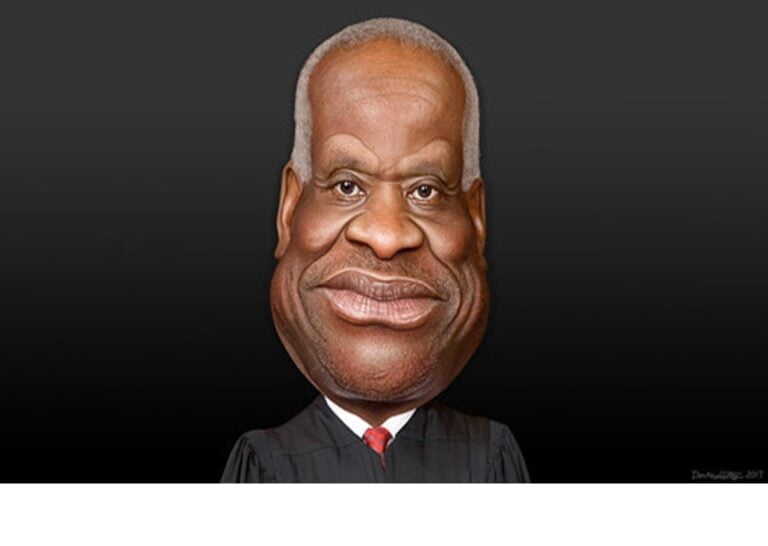
A candid admission here. For years I’ve had a suspicion about the “conservative Black Republican.” The question I’d grappled with is, based on everything I’d come to understand, how on earth would an African American want to align themselves with a party that has a history and policies that I find abhorrent?
“Uncle Tom,” “sellout,” “race traitor,” are among the typical monikers Black conservatives often get tagged with. Count Supreme Court judge Clarence Thomas (above), Hershel Walker and South Carolina senator Tim Scott among today’s frequent recipients. Which brings us to another little-known Black conservative…Shelby Steele.
In his long 1999 article, “The Loneliness of the Black Conservative,” Steele wrote on the price that he and others like him have paid for their convictions as Black Conservatives.
“Today a public “black conservative” will surely meet a stunning amount of animus, demonization, misunderstanding, and flat-out, undifferentiated contempt,” he wrote back then. “And there is a kind of licensing process involved here in which the black leadership—normally protective even of people like Marion Barry and O. J. Simpson—licenses blacks and whites to have contempt for the black conservative. It is a part of the group’s manipulation of shame to let certain of its members languish outside the perimeter of group protection where even politically correct whites (who normally repress criticism of blacks) can show contempt for them.”
If we fast forward Steele’s article to today, many Black Conservatives will echo some of those sentiments based on their experiences.
So what this narrative will attempt to do is set aside the labels and offer a closer look at the “Black conservative.” It also will call out those who have owned the headlines and hijacked the truth about the majority of those who self-identify as Black conservative, many of whom remain discrete out of fear of being called an “Uncle Tom,” often from their own community.
First, what is Black Conservatism and what is a Black conservative?
Black conservatism is a political and social philosophy rooted in communities of African descent that aligns largely with the conservative ideology around the world. Black conservatism emphasizes traditionalism, patriotism, self-sufficiency, and strong cultural and social conservatism within the context of the Black church. In the United States it is often, but not exclusively, associated with the Republican Party.
Pew Research Center polling found that the percentage of African-Americans who identify as Democratic has declined in recent years, from 75% during Barack Obama’s presidency to 67% in 2020. However, a 2017 sample size of 10,245 voters concluded that just 8% of African-Americans identify as Republican. Why Black men voted at a higher rate for former president Donald Trump than Black women during the last election led to considerable speculation and hot debate.
Wrote Steele, “a Black conservative is a Black person who dissents from the victimization explanation of Black fate when it is offered as a totalism—when it is made the main theme of group identity and the raison d’être of a group politics.”
Now of course as in any group, it’s patently unfair to broadly define and categorize the Black conservative. That fails to individualize members who may have different views from other conservatives and those who are turned off by their clownish portrayals in the media.
Recently, in his “The GOP’s New Stars,” commentator Elie Mystal starts out with, “I don’t agree with Black Republicans. I think that they are wrong on policy prescriptions for Americans.” A paragraph down he writes, “But I can respect Black Republicans. I can recognize Black Republican scholars and politicians as legitimate thinkers who have something to add to the American political discourse. Rank and file Black Republicans are not “race traitors.”
However, the problem, says Mystal, is that the GOP has decided to make people like Hershel Walker, Candace Owens, Larry Elder and Kanye West the “faces” of Black conservatism in America. His point is quite valid.
“That tells you more about how the Republican party thinks about Black people than it does about the few Black people who have decided to play into the party’s unending desire for minstrels.”
Which brings us to the late general Colin Powell who was a moderate Republican from until 2021, when he became an independent following the January 6 United States Capitol attack. Thanks to General Powell, my thinking about Republicans changed to viewing the likes of Walker, Owens, Elder, et al as convenient outliers, not true Black conservatives.
General Powell was one of the most prominent Black Republicans in the history of American politics. In 2016 he denounced the “nastiness” of the 2016 Republican primaries during an interview on CBS This Morning, comparing the race to reality television and stated that the campaign had gone “into the mud.”
Unfortunately, today’s caricature images of the Black conversative Republican – Walker, Owens, Diamond and Silk – have drowned out the image of Powell and other true Black conservatives in the contemporary world; those with values I agree with.
In the end, on whatever side you stand – Black Republican or Black Democrat – the opportunity is to move from debate to respectful dialogue. If we stop duking out our differences on YouTube, Fox News, MSNBC and CNN, we can peel back the proverbial onion with each other in one-on-one interactions. It’s there where we will discover points of commonalities, shared ambitions and building blocks and how we may get there. © Terry Howard is an award-winning speaker, writer, and storyteller. He is also a contributing writer with the Chattanooga News Chronicle, The American Diversity Report, The Douglas County Sentinel, Blackmarket.com, co-founder of the “26 Tiny Paint Brushes” writers’ guild, recipient of the 2019 Dr. Martin Luther King, Jr. Leadership Award, and third place winner of the 2022 Georgia Press Award.

“The Picture Taker” Documentary Unveils Secret Life of Memphis Photographer and FBI Informant Ernest Withers Jan. 30 on PBS
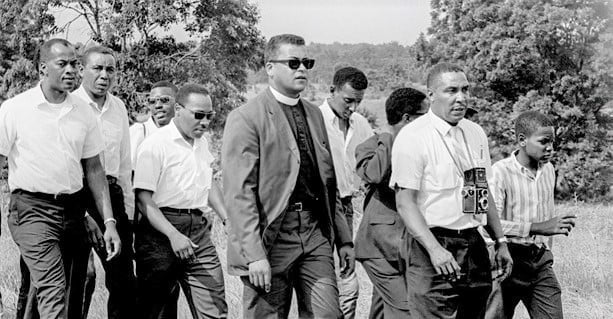
(From the Tennessee Tribune) Born and raised in the segregated South, Ernest Withers (1922-2007) captured over six decades of African American history that witnessed the height of the Civil Rights Movement and The Cold War. The Memphis, Tennessee, native photographed legendary icons, ranging from prominent activists like Dr. Martin Luther King Jr. and Medgar Evers to musicians like Elvis Presley, Tina Turner, and B.B. King.
Despite his commitment to truth-telling through photojournalism, Withers took a closely guarded secret to his grave: for over a decade of his professional career, he worked for the FBI. “The Picture Taker” makes its broadcast debut on INDEPENDENT LENS on January 30, 2023, at 10:00 p.m. ET (check local listings). The film also will be available to stream on the PBS app.
Emmy and Peabody Award winner Phil Bertelsen (“Who Killed Malcolm X?”) tells the alluring story of Withers’ career—from his mom-and-pop photo shop beginnings through the shocking revelations about his FBI cooperation.
Withers learned his craft while serving in the segregated U.S. Army during WWII. Through dogged determination, talent, and courage, he established himself as a photojournalist with unprecedented access to the movers and shakers of Southern culture and politics. His camera snapped nearly 2 million images, creating a photographic treasure trove of Black history from every day to the momentous. The Montgomery Bus Boycott, the trial of Emmett Till’s murderers, the desegregation of Little Rock High, the Memphis sanitation strike, and the turbulent aftermath of Dr. King’s death were all captured by a man whose boundless energy and work ethic put him on the
front lines of newsworthy events.
Withers’ images spread the word about civil rights and wrongs throughout the nation, making him a hero in his hometown of Memphis. But that legacy was shattered by a newspaper exposé published after his death, detailing years of secret FBI service. Bertelsen gives voice to this work by interweaving archival
testimony from Withers’ FBI handler, agent William Lawrence, to whom Withers reported and provided photographs and identification of key activists.
“The Picture Taker” includes interviews with Lawrence’s daughter as well as activists close to Withers, including Rosetta Miller-Perry who, upon discovering his work with the FBI, questions Withers’ intentions. Throughout the documentary, the juxtaposition of Withers’ work—as witness, photographer, and potential spy for the U.S. government—is explored within the context of Withers’ coming-of-age in the Jim Crow South and the civic upheavals which threatened that status quo.
“There is almost no one else in contemporary U.S. history who has chronicled African American life with such depth and intimacy as Ernest Withers,” said Bertelsen. “We set out to capture the complexity of Withers, from his undeniable accomplishments and contributions to Black history, culture, and journalism, to the underlying question of his work with the FBI and how it impacts that legacy. We wanted to honor Withers’ work, his community, and the labor of activists by using his photographs to convey the realities of the segregated South for future generations.” Described by The New York Times as “a compelling biography of Ernest Withers” and “an engrossing watch,” “The Picture Taker” showcases Withers’ incredible photographic archive alongside testimonials from those closest to him, providing an in-depth, multilayered account not only of Withers’ career, but also of milestone moments in American history and the ongoing fight for African American liberation.
How the distortion of Martin Luther King Jr.‘s words enables more, not less, racial division within American society
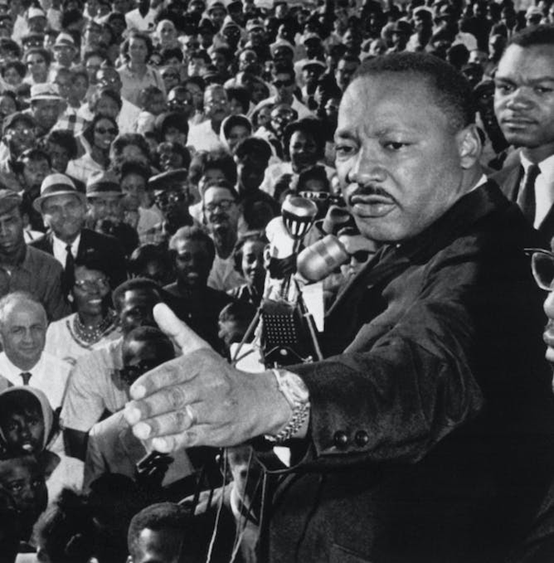
Hajar Yazdiha, Assistant Professor of Sociology, USC Dornsife College of Letters, Arts and Sciences
U.S. Rep. Chip Roy of Texas is just the latest conservative lawmaker to misuse the words of the Rev. Martin Luther King Jr. to judge a person on character and not race.
In the protracted battle to elect Rep. Kevin McCarthy as speaker of the House, Roy, a Republican, nominated a Black man, Byron Donalds, a two-term representative from Florida who had little chance of winning the seat. Considered a rising star in the GOP, Donalds has opposed the very things that King fought for and ultimately was assassinated for – nonviolent demonstrations and voting rights protections.
Calling Donalds a “dear friend,” Roy noted the selection by Democrats of another Black man, Hakeem Jeffries of New York, and invoked King’s words.
“For the first time in history, there have been two Black Americans placed into nomination for speaker of the House,” Roy said. “However, we do not seek to judge people by the color of their skin, but rather, the content of their character.”
A sanitized MLK
As every Martin Luther King Jr. Day nears on the third Monday in January, politicians across the political spectrum – including those who opposed establishing the national holiday in 1983 – issue their heartfelt dedications to King or quote him in their own speeches.
Yet January is also a month that commemorates a darker, more recent memory of the Jan. 6, 2021, attack on the U.S. Capitol by right-wing extremists.
The two issues – misuses of King’s memory and the Jan. 6 attacks – may seem like unrelated phenomena.
Yet in my book, “The Struggle for the People’s King: How Politics Transforms the Memory of the Civil Rights Movement,” I show how there is a direct line from distortions of King’s words and legacy to right-wing attacks on multicultural democracy and contemporary politics.
The misuses of King are not accidental.
In the late 1970s and early 1980s, a sanitized version of King was part of a conservative political strategy for swaying white moderates to support President Ronald Reagan’s reelection by making King’s birthday a national holiday.
Even after Reagan finally signed the King holiday into law in 1983, he would write letters of assurance to angry political allies that only a selective version of King would be commemorated.
That version was free of not only the racial politics that shaped the civil rights movement but also of the vision of systemic change that King envisioned. In addition, Reagan’s version left out the views that King held against the Vietnam War.
Instead, the GOP’s sanitized version only comprises King’s vision of a colorblind society – at the expense of the deep, systemic change that King believed was needed to achieve a society in which character was more important than race.
Weaponizing America’s racist past
This interpretation of King’s memory would become a powerful political tool.
Increasingly through the 1980s, right-wing social movements – from the gun rights and family values coalitions to nativists and white supremacists – deployed King’s memory to claim they were the new minorities fighting for their own rights.
These groups claimed that white Christians were the real victims of multicultural democracy and in fact were “the new Blacks.”
This false version of social reality eventually evolved into the “great replacement theory,” the far-right conspiracy theory, espoused by public figures like Tucker Carlson on Fox News, that white people are being demographically and culturally replaced with nonwhite peoples and that white existence is under threat.
In these distortions, gun rights activists called themselves the new Rosa Parks, anti-abortion activists declared themselves freedom riders and anti-gay groups claimed themselves protectors of King’s Christian vision.
These distortions of the past were not just rhetorical.
Over time, these political strategies had powerful effects and generated what appears in my view as an alternative social reality that, for many white Americans, began to feel like the only reality.
Misinformation threatens democracy
Through the making of these alternative histories, right-wing strategists such as Steve Bannon could stir up white right-wing voters to “reclaim” and “take back” America.
Such was the politics that led to Donald Trump’s 2016 election and shaped a presidential administration that rolled back civil rights, emboldened white supremacists and banned anti-racism training.
Through the misrepresentation of the racial past, this alternate social reality hardened.
Ultimately, these revisionist narratives have fractured the collective understanding of who we are, how we got here and where we go next. In my view, moving forward means honestly confronting the often ugly past and the deep roots of white supremacy that shaped it then and now.
It is only by facing, rather than ignoring, the complexity of America’s history that the “beloved community” that King once envisioned can be realized. (This article was updated 1-14-2023 to correct the year of the Jan. 6 attack on the U.S. Capitol and to correctly identify people in the photo caption of the holiday signing.) The CONVERSATION.
Social Media Viral Advice May Be Foolish
“Fools find no pleasure in understanding but delight in airing their own opinions.”
When Solomon spoke those words thousands of years ago, he couldn’t fathom Instagram, TikTok, Twitter, or Facebook. And yet, it seems as if he may’ve experienced something similar.
Two new trends “going viral” on social media in recent weeks involve advice about ending one’s employment. These posts are made by “Zoomers,” or those born in the “Generation Z” years of 1997 through 2012 or aged 11-26 years old.
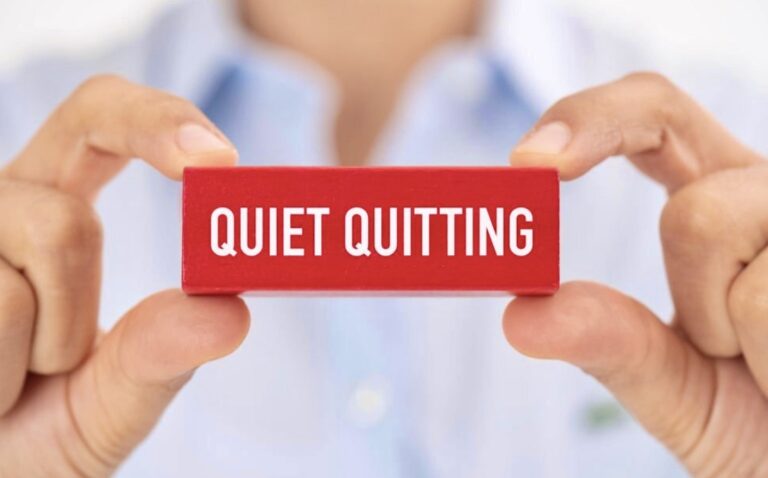
First is the posted practice of quiet quitting where an employee does the very least possible at their job to be compensated without being reprimanded or terminated. This behavior was even written up in Harvard Business Review as its popularity manifested among Human Resource professionals dealing with an already difficult labor market and a shortage of individuals actually willing to work.
So, what has been the response to quiet quitting? In many cases, employees were terminated for cause, or because of a defined set of circumstances that is outside the prescribed work behavior, or due to misconduct. Intentionally inflicting a harm to a corporate culture has an impact upon others.
Others who decide to quietly quit are “quietly fired.” Meaning, that the supervisor or team leader begins the process of exposing the behavior, then making corrective actions that, unless terms are met, lead to demotion. In these cases, the process can lead to a sudden resignation of the “quiet quitter.”
The second employment tactic offered by these social media posters who view themselves to be expert, or at least well-versed enough to offer employment advice, involves quitting without any notice.
The customary two-week notice is just that, a professional courtesy extended by an employee who, for whatever reason, is ending an employment relationship at their existing company or business. It becomes valuable to do so if you expect or need a reference or recommendation in the future. Walking out of a job with no notice may empower the employee for whatever reason at the moment. But the impact made at that workplace that leaves a vacancy typically shifts work to co-workers and leaves customers–and in the case of healthcare–patients, with unmet needs and service.
A two-week notice is not legally required. But a professional or a conscientious employee extends courtesies and demonstrates empathy.
Why would either of these two behaviors prove to be “foolish” rather than just simply be viewed as immature and appropriate considering the nature of social media? Simple. Americans are living in a period of record inflation with prices doubling and even tripling on essentials such as groceries, housing and energy. Americans are being told to prepare for a recession, a worsening and extension of the same economic downturn.
While employers need workers, social media is monitored by HR departments and leaders who hire. Abrupt departures are red flags and may harm future employment.
In the case of social media advice, one might benefit from viewing it as entertainment rather than counsel to apply for life.
Vaccination to prevent dementia? New research suggests one way viral infections can accelerate neurodegeneration
Andrew Bubak
Assistant Research Professor of Neurology, University of Colorado Anschutz Medical Campus
Diego Restrepo
Professor of Cell and Developmental Biology, University of Colorado Anschutz Medical Campus
Maria Nagel
Professor of Neurology and Ophthalmology, University of Colorado Anschutz Medical Campus
One in nine Americans ages 65 and over had Alzheimer’s disease in 2022, and countless others were indirectly affected as caregivers, health care providers and taxpayers. There is currently no cure – available treatments primarily focus on prevention by encouraging protective factors, such as exercise and healthy diet, and reducing aggravating factors, such as diabetes and high blood pressure.
One of these aggravating factors is viral infections. Researchers have identified that certain viruses such as herpes simplex virus type 1 (HSV-1, which causes cold sores), varicella zoster virus (VZV, which causes chickenpox and shingles) and SARS-CoV-2 (which causes COVID-19) can lead to a higher risk of Alzheimer’s disease and dementia following infection.
There is increasing evidence supporting the potential role viruses play in Alzheimer’s disease.
Figuring out how and when these viruses contribute to disease could help scientists develop new therapies to prevent dementia. However, researchers have been unable to consistently detect suspect viruses in brains of people who died of Alzheimer’s. Because the Alzheimer’s disease process can start decades before symptoms, some researchers have proposed that viruses act early in a “hit-and-run” manner; they trigger a cascade of events that lead to dementia but have already taken off. In other words, by the time researchers analyze patient brains, any detectable viral components are gone and causation is difficult to establish.
We are a neurovirologist, neurologist and neuroscientist team interested in the role viruses play in neurodegenerative diseases. In our recently published research, we use new technology to search for the tire tracks of these viruses in Alzheimer’s patients. By focusing on the most vulnerable entry point to the brain, the nose, we discovered a genetic network that provides evidence of a robust viral response.
Focusing on the olfactory system
Many of the viruses implicated in dementia, including herpesviruses and the virus that causes COVID-19, enter the nose and interact with the olfactory system.
The olfactory system is constantly bombarded with odors, pollutants and pathogens. Particles inhaled through the nostrils bind to specific olfactory receptor cells in the tissue lining the nasal cavity. These receptors send messages to other cells in what’s called the olfactory bulb, which acts like a relay station that transmits these messages down the long nerves of the olfactory tract. These messages are then transferred to the area of the brain responsible for learning and memory, the hippocampus.
Sensory cells translate information from your environment into electrical signals your brain can interpret.
The hippocampus plays a critical role assigning contextual information to odors, such as danger from the foul smell of propane or comfort from the smell of lavender. This area of the brain is also dramatically damaged in Alzheimer’s disease, causing devastating learning and memory deficits. For as many as 85% to 90% of Alzheimer’s patients, loss of smell is an early sign of disease.
The mechanism leading to smell loss in Alzheimer’s disease is relatively unknown. Like muscles that atrophy from lack of use, sensory deprivation is thought to lead to atrophy of the brain regions that specialize in interpreting sensory information. Strong sensory input to these regions is critical to maintain general brain health.
Olfactory inflammation and Alzheimer’s disease
We hypothesize that viral infections throughout life are both contributors to and potential drug targets in Alzheimers’s disease. To test this idea, we used emerging, state-of-the-art technology to investigate the mRNA and protein networks of the olfactory system of Alzheimer’s disease patients.
The body uses mRNA, which is transcribed from DNA, to translate genetic material into proteins. The body uses specific mRNA sequences to produce a network of proteins that are used to fight against certain viruses. In some cases, the body continues to activate these pathways even after the the virus is cleared, leading to chronic inflammation and tissue damage. Identifying which mRNA sequences and protein networks are present can allow us to infer, to a degree, whether the body is or was responding to a viral pathogen at some point.
Previously, sequencing mRNA in tissue samples was difficult because the molecules degrade very quickly. However, new technology specifically addresses that issue by measuring small subsections of mRNA at a time instead of trying to reconstruct the whole mRNA sequence at once.
We leveraged this technology to sequence the mRNA of olfactory bulb and olfactory tract samples from six people with familial Alzheimer’s, an inherited form of the disease, and six people without Alzheimer’s. We focused on familial Alzheimer’s because there is less variability in disease than in the sporadic, or nonfamilial, form of the disease, which can result from a number of different individual and environmental factors.
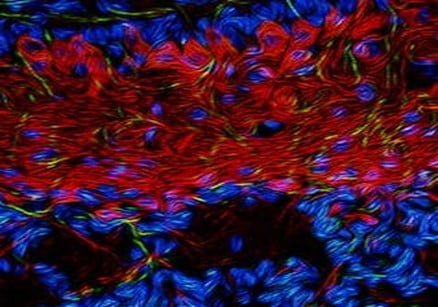
In the familial Alzheimer’s samples, we found altered gene expression indicating signs of a past viral infection in the olfactory bulb, as well as inflammatory immune responses in the olfactory tract. We also found higher levels of proteins involved in demyelination in the olfactory tract of familial Alzheimer’s samples than in the controls. Myelin is a protective fatty layer around nerves that allows electrical impulses to move quickly and smoothly from one area of the brain to another. Damage to myelin stalls signal transduction, resulting in impaired neural communication and, by extension, neurodegeneration.
Based on these findings, we hypothesize that viral infections, and the resulting inflammation and demyelination within the olfactory system, may disrupt the function of the hippocampus by impairing communication from the olfactory bulb. This scenario could contribute to the accelerated neurodegeneration seen in Alzheimer’s disease.
Implications for patient health
Epidemiological data supports the role of viral infections in the development of Alzheimer’s disease. For example, the varicella zoster virus is linked to a nearly threefold risk of developing dementia within five years of infection for patients with a shingles rash on their face. A recent report also found a nearly 70% increased risk of getting diagnosed with Alzheimer’s within a year of a COVID-19 diagnosis for people over 65.
These studies suggest that vaccination may be a potential measure to prevent dementia. For example, vaccination against the seasonal flu virus and herpes zoster is associated with an up to 29% and 30% reduced risk of developing dementia, respectively.
Further research investigating how viral infections can trigger neurodegeneration could aid in the development of antiviral drugs and vaccines against the viruses implicated in Alzheimer’s disease. (The CONVERSATION)
Ladies! Still Smoking? High Disease Risk

Smoking may feel like a cool idea– until it isn’t. Smoking actually does a lot more damage to you than give you bad breath and stained teeth. According to a new study, smoking increases the risk of a heart attack in all people, but much more so in young women.
British researchers examined data on more than 3,300 cases of acute ST-segment elevation myocardial infarction (STEMI) that occurred in the Yorkshire region of England between January 2009 and July 2014.
STEMI is sometimes called a major heart attack and is caused by a complete blockage of one of the main heart arteries.
Previous research has linked smoking to nearly 50% of STEMI cases.
The percentage of smokers in the study who were current smokers was 47.6% of men and 46.8% of women.
Smoking increased the risk of STEMI in all patients, regardless of age or gender, but the risk was higher in women than in men, the study found.
The largest risk difference between men and women smokers was among those aged 50 to 64, but the highest risk increase in both genders was among those aged 18 to 49.
Smoking increased the risk of STEMI in all patients, regardless of age or gender, but the risk was higher in women than in men, the study found.
The largest risk difference between men and women smokers was among those aged 50 to 64, but the highest risk increase in both genders was among those aged 18 to 49.
Women in this age group who smoked had a more than 13 times higher risk of STEMI than those who didn’t smoke. Men in this age group who smoked had an 8.6 times higher risk than nonsmokers.
The findings were published in the Journal of the American College of Cardiology.
There are several possible reasons why smoking leads to a much greater risk of STEMI in women than in men, according to the authors. One is that smoking may lower women’s levels of estrogen, which has been shown to protect against the narrowing of the arteries.
Also, men have larger heart arteries than women, which means that chronic inflammation caused by smoking may result in a greater narrowing of women’s heart arteries.
The authors noted that while smoking increases the risk of STEMI, the risk is quickly lowered if you quit.
“Our study found that smoking cessation, regardless of age or gender, reduces STEMI risk to that of a never-smoker, possibly within a month,” said study senior author Dr. Ever Grech a consultant interventional cardiologist at South Yorkshire Cardiothoracic Center in Sheffield.
“Patients who smoke merit encouragement to give up their habit, and this study adds quantitative evidence to the massive benefits of doing so,” Grech said in a journal news release.
For more information on smoking and smoking cessation, visit our Health Conditions page on BlackDoctor.org.
SOURCE: Journal of the American College of Cardiology
Fighting COVID-19 with an Immunocompromising Condition: Tips for Staying Healthy

Even though it may seem like it, the COVID pandemic is not over. The Omicron variant has more mutations than any of the earlier variants making it more successful at evading our immune system and the protection of vaccines. In spite of this serious challenge, vaccines still offer a degree of protection, especially from hospitalization and death. The newer “bivalent vaccine” actually combines a component derived from the Omicron variant and the original vaccine developed two years ago. However, all individuals do not respond to the vaccine equally.
A clinical study led by Dr. Lannard Lee (University of Oxford, London), found that people with cancer, especially blood cancers affecting the immune system (leukemia, lymphoma), were 36 times less likely to generate protective levels of antibodies from COVID vaccinations than in people without cancer. So Immunocompromised individuals may have a disease like cancer that interferes with the effectiveness of the vaccine.
Alternatively, a person can be on a medication that works by suppressing the immune system or inflammation, which could weaken the response to the vaccine.
For example, people may be taking a class of drugs called steroids that suppress the immune system to treat a disease like asthma or rheumatoid arthritis.
Many drugs that treat cancers or inflammatory skin conditions use medication that suppress the immune system. Interestingly, patients with HIV infection, an immunocompromised state, appear to be protected by COVID vaccination, particularly if the HIV virus is controlled by medication.
A special medication was developed to prevent COVID-19 disease in people with immunocompromised conditions; a sort of vaccine substitute. This medication called Evusheld consists of a combination of two monoclonal antibodies (tixagevumab and cilgavimab) against coronavirus.
With a single injection of each medicine, a person would be protected from coronavirus infection for several weeks. While it has been deemed effective for previous variants, unfortunately, Evusheld does not provide protection against developing COVID-19 for individuals who are later exposed to sub-variant XBB.1.5, and possibly other sub-variants of Omicron. So what additional steps can you take to stay healthy?
Take extra precautions
COVID rates are increasing again, especially as people spend more time indoors during the winter months. Large, indoor gatherings should be avoided, or at least, a mask should be worn. Cloth surgical masks do provide some protection but a KN95 or N95 mask provides the best protection.
Masks also protect against other respiratory viruses such as influenza virus (flu vaccines are available) and Respiratory Syncytial Virus (RSV), both viruses are causing increased numbers of infections. Try to maintain
6 feet of distance between yourself and other people who do not live in your home with you. Get tested often. There are a variety of home tests that you can use, or you can visit a local testing clinic and receive instant results.
Talk to your doctor
It is imperative to discuss COVID precautions with your medical provider. Whether they are an oncologist treating cancers or a rheumatologist treating inflammatory conditions like Lupus or arthritis, all medical providers should be well-versed in the guidelines for protection from COVID and the use of vaccines. It is possible that even if the vaccines are less effective because of a disease or medications, being fully vaccinated and boosted could provide some level of protection, even if not optimal.
Get Oral treatments if you test positive
Paxlovid, an oral pill has been available for over a year to treat COVID-19. The treatment is very effective, but it must be started within 5 days of experiencing symptoms. If you have symptoms, take a home test or get tested at a Pharmacy or clinic. If you test positive, ask your medical provider to send a prescription to your pharmacy. Treatment lasts for five days. If you can’t get a prescription, some pharmacies may still be able to provide you the medication if you have a positive test. This treatment is effective against Omicron sub-variants and also for immunocompromised individuals. It may interact with other medications you may be taking so be sure to tell your doctor and pharmacist all medications you are taking, including non-prescription drugs. The potential for vaccine protection to be lessened in people who are immunocompromised means that other prevention measures must be maximized (e.g. masks, social distancing), and preparations should be in place to initiate COVID treatment if the person becomes infected. Regular home testing is key, especially if COVID symptoms occur (cough, fever, SOB, altered smell or taste, fatigue, sore throat, runny nose, or congestion). If you do not have a medical provider, consult with your county or city health department and see what resources they have available. (BlackDoctor.org by Dr. Keith Crawford/1-13-2023)
HCSO Warns of Local Mail Thefts in Hamilton County

Hamilton County, TN – The Hamilton County Sheriff’s Office is advising citizens that we are experiencing several mail thefts throughout the county. Unfortunately, mail thefts are not unusual and usually increase during the holidays. Despite the holidays being over, we still continue to see random mail thefts especially in large subdivisions.
The mail thefts are generally occurring after daylight hours and throughout the night and typically involve mail or packages that have been left overnight in residential mailboxes.
HCSO personnel, as well as local law enforcement are aware of these thefts and are being proactive in searching for those responsible. Just recently, on Tuesday, December 20, 2022, HCSO patrol deputies arrested two individuals for stealing mail on Sedgefield Drive. Those arrested in this incident were identified in similar crimes as far away as Loudon County, Tennessee.
In order to help residents not become a victim of mail theft, the HCSO is offering the following safety tips to reduce stolen mail and packages:
- Never leave mail or packages in your mailbox over night
- Always pick up your mail as promptly as possible
- Never send cash in the mail
- Always have a designated family member, friend, or neighbor available to pick up or secure large packages delivered to your porch or mailbox
- Consider installing cameras that cover your mailbox location and/or a doorbell camera on your porch
- Check your package tracking information routinely to know when your deliveries will occur
- If you change your address, immediately notify your Post Office and anyone with whom you do business via the mail
- Report all suspected mail theft or suspicious activity to your local law enforcement and Postal Inspector
In addition to the aforementioned safety tips, the United States Postal Service offers a free Informed Delivery Service whereby residents can receive daily emails previewing what packages they are scheduled to receive as well as images of your incoming letter-sized mail. This service also allows you to see if you are missing any of your mail. Residents can also schedule when they would like to receive certain packages to help ensure you or someone you trust is available to accept the package. If you are interested in learning more about this free service or would like to sign up, please visit: https://www.usps.com/manage/informed-delivery.htm.