Tuesday, October 13, 2026
Advertisement
Home Blog Page 42

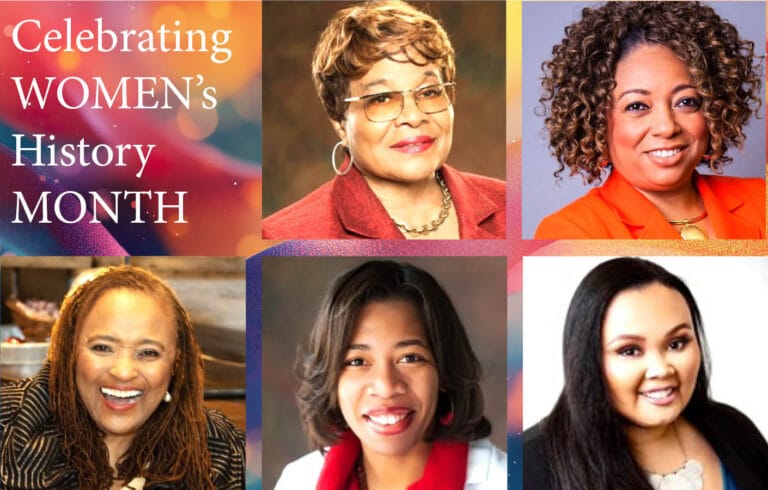
Celebrating WOMEN’s History MONTH

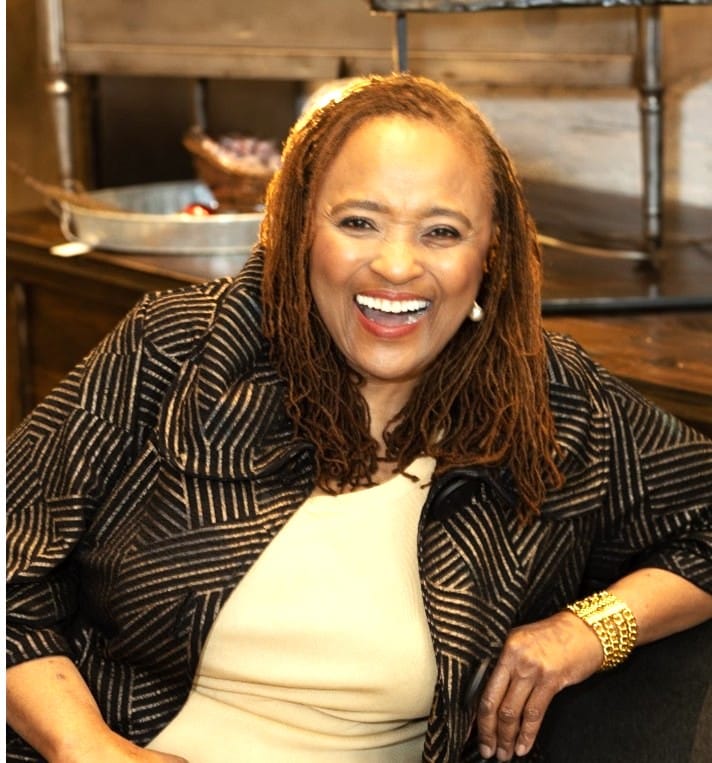
Ruth Williams-Brinkley,
Retired Kaiser Permanente Mid-Atlantic Regional President
For her decades of healthcare leadership, the Chattanooga News Chronicle celebrates Ruth Williams-Brinkley, (actively) retired, also former Memorial Healthcare CEO, during Women’s History Month.

Ruth Williams-Brinkley’s Journey of Leadership and Change Celebrated

As Women’s History Month unfolds, the Chattanooga News Chronicle celebrates the extraordinary career of Ruth Williams-Brinkley, a healthcare leader whose impact extends far beyond her years of service.

For over four decades, Williams-Brinkley championed health equity, tirelessly working to dismantle disparities rooted in race, economics, and environment. Her journey, marked by executive leadership roles across prestigious healthcare systems, culminated in her recent retirement from Kaiser Permanente Mid-Atlantic as regional president.

Chattanooga holds a special place in her heart. In 2002, she was appointed interim CEO of Memorial Healthcare System, and her leadership quickly solidified her as the permanent choice, a position she held until 2008.

“I miss the beauty, the physical beauty of Chattanooga,” Williams-Brinkley, who now lives in Virginia, said in a recent phone interview.

Chattanooga is such a beautiful place. I miss that. But I think also, so you can be in a beautiful place with unbeautiful people. But the people in Chattanooga were so nice to me, and always are. It feels like home to me.”

She continued, “I like the beauty, but I would say that I love the people first of all. I would put that as number one. And, you know it feels to me, I don’t know how it is now–but it feels to me that people try to work together across racial and ethnic groups. That may not be the way it is now, but that’s how I felt. There was a lot more cooperation, and so that was always nice. Those are the things I miss about Chattanooga. But I think what I miss most of all is the people.”

During her tenure at Memorial, she led the organization to significant achievements, including state recognition as one of the Best Places to Work in Tennessee for two consecutive years and national recognition for high-quality patient care, excellence in cardiac care, and patient safety goals for three consecutive years. She also secured a Certificate of Need for a $320 million renovation and expansion project in the Glenwood community.

Williams-Brinkley’s extensive community involvement in Chattanooga included serving as past chair of the Chattanooga Area Hospital District of the Tennessee Hospital Association, and serving on the boards of the Chattanooga Chamber of Commerce; SunTrust Bank; Chattem, Inc.; The Women’s Leadership Institute; and United Way.

Her illustrious career is punctuated by accolades, including multiple appearances on Modern Healthcare’s “Top 25 Women in Healthcare” and “Top 25 Minority Executives in Healthcare” lists, and being named one of “2020’s 100 Most Influential People.”

Though she stepped away from formal leadership roles, retirement hasn’t slowed Williams-Brinkley down. She’s still active with her “passion projects,” including a year of extensive travel.

“I did some travel last year,” she recalled, “a U.S. road trip, Mexico, and then Africa.”
She’s also turned her attention to mentoring and innovation, becoming an executive coach and consulting with healthcare startups on AI implementation.

“I really believe in giving back to the younger generation of leaders,” she shared.

This commitment to others is balanced by her focus on personal health and well-being.

“I’ve started on a serious health improvement journey,” she explained. “You know, when you’re working, it’s hard to prioritize your own health. Sometimes we let our own health go to the wayside. And I did that.”

Retirement has allowed her to fully embrace the benefits of regular exercise and healthy eating, resulting in a marked improvement in her overall well-being.

“I feel better,” she said. “I have more energy. So all that stuff they say about exercise and so forth really does work.”

Maintaining a consistent routine has become a priority for her, a change that came with leaving full-time work.

“I try to go to the gym three times a week, and I try to walk about 10,000 steps every day,” she said. “I don’t get it in every day, but I try to get it in most days. And that’s not something I could do when I was working. I guess I could have, if I had put my mind to it, but it would have required a longer day than I could handle.”

Understanding life’s fragility is central to Williams-Brinkley’s philosophy.

“Life is not promised,” she reflected. “I lost my husband. Many people have lost their spouses, or they’ve lost family members, or loved ones. So you have to make every day matter.”

By Camm Ashford
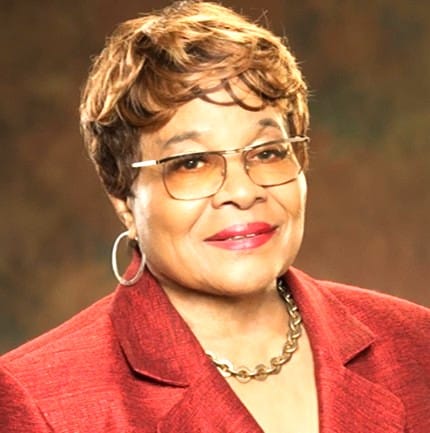
Tennessee Tribune founder and CEO Rosetta Miller-Perry

Journalism Trailblazer Rosetta Miller-Perry honored during Women’s History Month

During this 2025 Women’s History Month, the Chattanooga News Chronicle proudly honors a trailblazer in journalism and civil rights, Rosetta Miller-Perry, the unofficially deemed “Mother of the Black Press.” With a career spanning decades, Miller-Perry has profoundly impacted the African American community through her work as a journalist, publisher, entrepreneur and civil rights advocate.

In 1990, she founded Perry and Perry Associates and launched Contempora magazine. The following year, she established The Tennessee Tribune, an African American newspaper focused on issues often neglected by mainstream media, such as health, education and voter registration. Her passion for truth and representation led to the publication becoming a trusted voice for the Black community in Tennessee and beyond.

Miller-Perry’s commitment to journalism extends beyond publishing. She established the Anthony J. Cebrun Journalism Center in 1998 to train and mentor young Black journalists, ensuring that future generations would continue telling their own stories.

In November 2021, Miller-Perry made history once again when The Tennessee Tribune, in partnership with Skyport Hospitality and ACDBE owner/operator Jennifer Winchester, opened two retail stores at Nashville International Airport (BNA). The Tribune Stores, located in Southwest Airlines’ hub, serve as a marketplace for over 120 small and minority-owned businesses, offering a wide array of products from apparel to fine art and locally produced foods.

Tennessee Tribune founder and CEO Rosetta Miller-Perry cuts the ribbon at The Tennessee Tribune News and Gifts store at Nashville International Airport on Nov. 19, 2021. The store features products from more than 40 minority-owned vendors from Tennessee, including Winfrey Family Foods and Uncle Nearest Whiskey.

Competing with major brands, the Tribune Stores have been a success, ranking among the top 10 performers in sales at BNA. This groundbreaking initiative reflects Miller-Perry’s dedication to economic empowerment and diversity, providing a national platform for Black entrepreneurs.

Born Rosetta Irvin in Coraopolis, Pennsylvania, on July 7, 1934, Miller-Perry spent her early childhood living on her aunt’s houseboat.

Graduating from Coraopolis Senior High School in 1952, she continued her education at Howard University and Herzl Community College (now Malcolm X College, a City Colleges of Chicago campus specializing in healthcare) before receiving a B.S. in chemistry from the University of Memphis.

In 1958, while working at Southern Funeral Home in Nashville, Miller-Perry attended Tennessee State University before pursuing nursing training at Meharry Medical College.

Her early career included serving in the U.S. Navy and later working with the U.S. Civil Rights Commission and the Equal Employment Opportunity Commission (EEOC). During the 1960s, she worked closely with Dr. Martin Luther King, Jr., and the Southern Christian Leadership Conference (SCLC), witnessing and documenting key moments in the Civil Rights Movement, including the Memphis Garbage Strike and the tragic aftermath of Dr. King’s assassination.

A lifetime of dedication has earned Miller-Perry numerous accolades, including induction into the Tennessee Women’s Hall of Fame and the National Newspaper Publishers Association Award. Her contributions to education and the arts are immortalized through the Rosetta I. Miller Scholarship at Memphis State University and the Rosetta Miller-Perry Award for Best Film by a Black Filmmaker at the Nashville Film Festival.

At 90 years old, Miller-Perry remains actively involved with The Tennessee Tribune, working both from the office and her home. Her motto, “Things Get Better With Time,” reflects her steadfast belief in progress and justice.

From civil rights activism to entrepreneurship, Miller-Perry’s life exemplifies perseverance, vision and commitment to community empowerment. As we celebrate Women’s History Month, the Chattanooga News Chronicle salutes her groundbreaking contributions that have forever changed the landscape of Black journalism and business.

By Camm Ashford
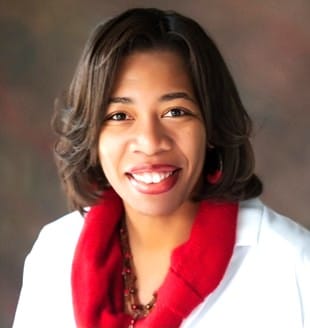
During Women’s History Month, the Chattanooga News Chronicle celebrates Dr. Tiundra L. Love, a physician and community leader.

Dr. Tiundra Love’s Passion for Service Recognized During Women’s History Month

In honor of Women’s History Month, the Chattanooga News Chronicle shines a spotlight on Dr. Tiundra L. Love, a dedicated physician and community leader whose contributions are making a significant impact on the region.

Dr. Love’s extensive career showcases a commitment to both medicine and community service.

She received her Osteopathic Medical Degree from the Edward Via Virginia College of Osteopathic Medicine (VCOM) in 2009. Furthering her training, she completed an internal medicine residency at the University of Tennessee College of Medicine at Erlanger in 2012.

Her medical experience spans various roles, including her current position as an Internal Medicine specialist. Previously, she served as the Department Chair of Internal Medicine and Assistant Professor at Auburn-VCOM, overseeing clinical education and curriculum development. Dr. Love also dedicated several years as an Internal Medicine Primary Care Physician at the Chattanooga Veterans Administration Clinic, serving U.S. military veterans with preventative and chronic disease management.

She also holds multiple certifications, including Board Certified Internal Medicine (ABIM) and Certified Family Nurse Practitioner with the American National Credentialing Center (ANCC).

Dr. Love’s dedication extends beyond clinical practice. She is the founder of C.A.R.E.A.M.O.R. Wellness, an annual event that provides free health services to the communities in the 37403, 37404 and 37405 zip codes.

“I have never thought of anything other than just wanting to have an indelible mark to serve,” Dr. Love explained. “I just love helping where and when I can.”

C.A.R.E.A.M.O.R. stands for Committed to Access, Research, and Education while Advocating and Mentoring for Opportunities and Resources. This entity has been providing services for eight years, and will be celebrating its 8th anniversary in December of 2025.

In 2023, Dr. Love received the “Woman of Zeal” award from the Gamma Iota Zeta Chapter of Zeta Phi Beta Sorority, Incorporated, recognizing her community and civic-minded efforts, her dedication to social justice and her commitment to improving the well-being of others. This award was presented during the sorority’s “Tea with Z” event, honoring the life and contributions of Zora Neale Hurston.

Dr. Love is also actively involved in numerous organizations, including The Links, Incorporated; the National Coalition of 100 Black Women; and the United Way of Greater Chattanooga Advisory Board.

By Camm Ashford
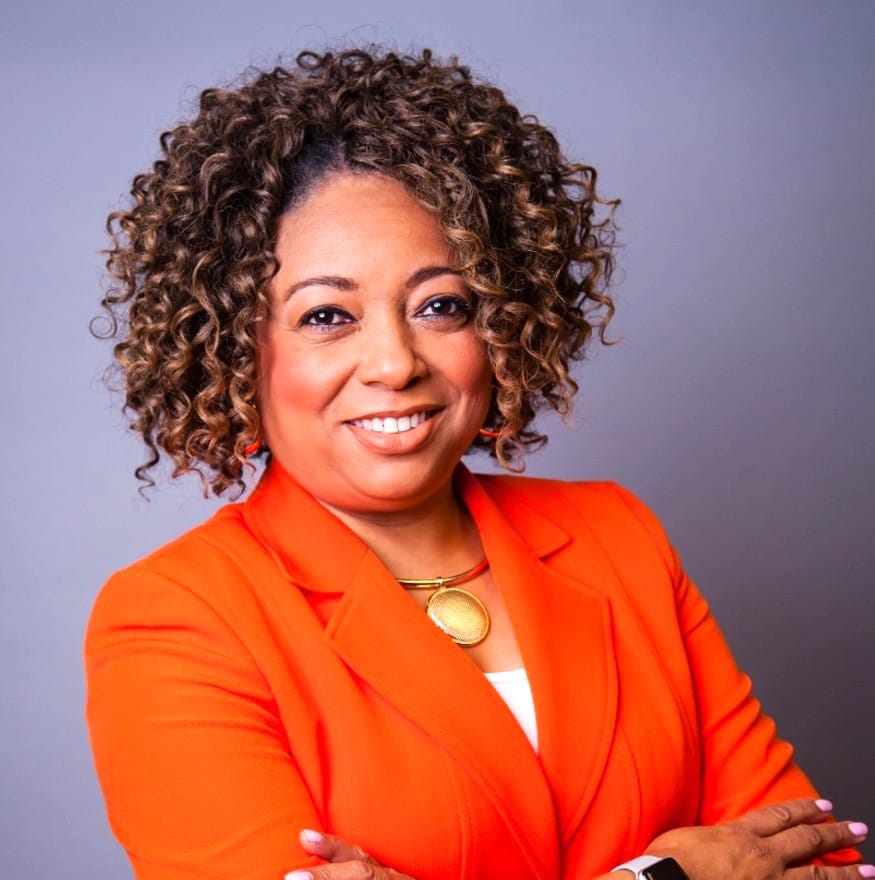
Marsha J. Drake, Ed.D.

Marsha J. Drake, Ed.D. – Writing “Herstory”

Leadership borne from a passion, a skillset that transcends careers which includes time management and a mindset to learn and grow, along with personal resilience, more often known as grit in the south, Dr. Marsha Drake is a Chattanooga woman making history.

Grandiose? No. She’s writing her own story for her personal legacy, her family, her community, and our good. Good communities come when people are devoted to causes bigger than themselves and require working together with others to make the good happen.

Dr. Marsha Drake currently leads as the Chief Equity Officer of Hamilton County Public Schools.

Working is such a capacity guarantees the skills needed to communicate effectively, clearly, and in a collaborative manner across all sorts of titles, job descriptions, and personalities in the second largest employer in Hamilton County. The Hamilton County Department of Education has 5,781 employees according the Chattanooga Chamber’s 12/31/24 directory.

Being a hometown success, Dr. Drake was gracious to give of her time for an interview with the Chattanooga News Chronicle (CNC). The working mom who has devoted 28 years to educational leadership and excellence offers great advice to all on her personal success. Gleaning the best practices of others is a secret to any achiever. Enjoy!

CNC: What would you say to women aspiring for their own success in careers and professional pursuits while being a wife, mom, significant other, and good neighbor?

Dr. Drake: Balancing these roles successfully requires strong leadership, time management, and personal resilience.

As an Educator & Chief of Equity and Advocacy, I’d advise specific focus:

• Vision & Strategy – Stay focused on long-term goals while addressing immediate challenges.
• Effective Communication – Foster open dialogue with teachers, co-workers, students, and parents. Build strong relationships and trust across all people.
• Adaptability & Innovation – Education is constantly evolving. Stay informed about best practices and be open to implementing new strategies for student learning and district operations.
• Empowerment & Delegation – Support your team and trust them to execute. Encourage professional development and autonomy across all school leaders.
• Work-Life Boundaries – As a leader, it’s easy to get caught up in work. Set boundaries to ensure you don’t burn out and can bring your best self to all aspects of your life.
As a Wife & Mother
• Quality Over Quantity – You may not always have a lot of time, but making the time you do have meaningful matters more. Prioritize family rituals/traditions, even small ones.
• Teamwork & Communication – A strong partnership with your spouse means clear expectations, shared responsibilities, and mutual support.
• Intentional Presence – When you’re with your family, be fully present. Put the phone down, engage, and create lasting memories.
• Self-Care & Grace – Don’t neglect your well-being. A strong, healthy, and happy you benefits both your family and your career.
• Flexibility & Letting Go of Perfection – Things won’t always go as planned, and that’s okay. Learn to pivot and embrace the journey.

CNC: Are there non-negotiables you’ve found to your success journey?

Dr. Drake: Two. You must be your own biggest advocate—whether in the boardroom, the classroom, or at home. Set clear boundaries to protect your time, energy, and priorities. Second, remember, no one succeeds alone. Build and lean on a diverse network of mentors, colleagues, friends, and family who support, uplift, and respectfully call you out.

CNC: What are potential pitfalls or trials you had to navigate that you would warn others of in their own pursuits as a woman seeking her greatest opportunities?

Dr. Drake: There are several that I would like to caution other women of, but I will focus on two:

• Avoid overcommitting and thinking that you have to please everyone, feeling the need to prove yourself by saying yes to everything (extra projects, responsibilities, duties, etc.) Prioritizing tasks that align with your goals, learning to say “NO” with confidence and without any guilt.
• Beware of the impostor syndrome – doubting your abilities and feeling like you don’t belong even though you have earned the degree/degrees and have the years of work experience required. Instead, see that in fact, you’re overqualified. Own your expertise. I encourage you to keep a “success journal” with your achievements to remind yourself of your value.

Each woman writes her own story. Dr. Marsha Drake still has her pen in hand and is making “Herstory” in the Chattanooga community. Let’s keep cheering her on, encourage others to do the same, and dare to pick up the pen. That’s when our communities gain strength and we’re our best selves.

By Robin Smith

Amanda Jelks, Esq.

AMANDA JELKS……Writing Her Story and Inspiring Others

But then…”

This phrase was used by Amanda (Ray) Jelks in her self-talk as a teenage mother at 15 years young. She desired to have ready and rehearsed the “But then” response when asked about his birth and her circumstances by her newborn son who would eventually grow up. She wanted to pivot the focus of any question he might ask or anyone else for that matter to the “but then” of her life from the decisions made to look forward and not back, to move on, to sacrifice, work hard, and give him better than she knew or desired as a young girl.

Amanda Jelks is a self-made, God favored woman whose passions drive her, just like the fuel from the naysayers scattered through her life.

Chattanooga News Chronicle (CNC) was blessed to have time with Ms. Jelks, with her 13-year-old daughter watching life in action, to gather a few words of inspiration for all women of Chattanooga to read during Women’s History Month.

Take in these exchanges framed by the imagery of a successful woman speaking with passion, intellect, and compassion.

CNC: Please share a few keys to your own success that others might apply in their pursuits of personal attainment.

Ms. Jelks: Be willing to sacrifice for your goals. Be willing to put your head down, work hard, and keep telling yourself to “Keep going!”
I grew up hearing that all you had to do was to work hard to get what you wanted. In large part, that’s true. It was my decision, and the success rested with me. I had to have the mindset and put in the work…even with a baby.

As I accomplished personal goals and earned by Bachelors in Science, some were surprised I kept wanting to grow and achieve. When I entertained law school as 21-year-old single parent, I was questioned. I knew and said to others, “In three years, I’ll be 24 years old whether I go to law school or not. Those three years will pass either way. Why not keep going?!”

If you’re going to work for a specific goal, you have to have a persistent mindset. You have to persevere.

CNC: What a few absolutes or “must do’s” you’d recommend to women looking to achieve more in whatever pursuits they’re chasing?

Ms. Jelks: Work for and be known for a reputation of integrity. I define that to be one who has the confidence and courage to do what you say, has the confidence and courage to own your own missteps and mistakes, has the confidence and courage to say, “I’m sorry” and ask for forgiveness, and has the confidence and courage to believe in yourself to do more.

Another thing. Don’t settle for something less if you believe in yourself. I heard often, “Well, it’s better than it used to be.” Well, that’s not always good or the best for you or the best of you.

CNC: Speaking from your experiences, what warnings might you offer women, who characteristically have so many roles – wife, mother, caregiver, breadwinner, friend, volunteer, and the list goes on?

Ms. Jelks: Learn to say, “No.” Every person has to set priorities. The word “No” comes easier to people who are focused on their priorities. With a little grace and Southern charm, we can make that a gentle, friendly “No.” But your goals often fall to the wayside when you’re carrying the loads of others.

A big one for me was in dealing with naysayers as I made efforts to accomplish my goals. Who were they? They were the people who knew me longest and best. Many were family. The naysayers first told me that I’d never finish high school. I did. Then I was told that was good enough. I wouldn’t complete college. I did. I was asked why I thought that wasn’t enough and even questioned if I could be a good mother in the future by pursuing law school and a demanding career. I heard their words, but I listened louder to my own heart. I heard the same fear-laced questions when I launched my own firm after leaving the security of a large law firm.

Know yourself. Know your purpose. Then keep going. Do it in love, but keep going.

CNC: Is there a slogan, motto, or inspirational verse you turn to or would assign as a life verse?

Ms. Jelks: Yes. When I found myself completely dependent upon others with a newborn baby at 15 years old, I had a desire for my son, now 24 years old, to have all that I never did. I wanted him, and now my other two children, to have unlimited opportunities and encouragement. I knew I’d be more accountable as a mother for choices I made with a son who depended upon me. That’s when I found my relationship with Jesus. In reading more of His word, I found Proverbs 27:7 at 17 years old. I understood that to mean one whose soul is complete and at rest is satisfied and full; one whose soul is starving and incomplete will settle for even the bitter.

In the Passion Translation Ms. Jelk’s life verse declares, “When your soul is full, you turn down even the sweetest honey. But when your soul is starving, every bitter thing becomes sweet.” These words were explained as a woman-in-the-making was listening to the interview, Ms. Jelks’ 13-year-old daughter.

CNC gave her the final word. “My mom is very kind. She works very hard. She teaches me through her work and even lets me work with her.”

Two women writing their stories as women of Chattanooga creating their best futures.

By Robin Smith

Men’s Basketball to Host Dayton in 2025 NIT Second Round on Saturday

0

GoMocs.com – INDIANAPOLIS, Ind. (March 19, 2025) — After yesterday’s three overtime win in Murfreesboro, the Chattanooga Mocs men’s basketball team will host top-seeded Dayton inside McKenzie Arena for the 2025 National Invitation Tournament (NIT) Second Round on Saturday morning.

 Tip-off is set for 11:30 a.m. and will be nationally televised on ESPN2. The Chattanooga women’s basketball team will kick off its WNIT run afterwards (TBD time) against Alabama A&M inside the Roundhouse to conclude a full day of postseason hoops in the Scenic City.

 Chattanooga (25-9) and Dayton (23-10) will meet for the 12th time overall and for first time since the Mocs walked out of famed UD Arena with a 61-59 victory on December 12, 2015. The contest marks the second-ever meeting held in Chattanooga and the first since the series’ inaugural game back on December 17, 1949.

 The NIT Second Round matchup is the first home postseason game (NCAAT/NIT/CIT) for the Mocs since the opening round of the 1987 NIT against Cleveland State on March 12, 1987. It’s the fifth-ever postseason home game (all NIT) for UTC as the program enters with a 2-2 record in such games.

 Event, ticket, and bracket information can be found below while a full game preview will be available on GoMocs.com the day prior to tip-off on Friday, March 21.

NIT Second Round (Dayton Region)

Chattanooga (25-9) vs. (1) Dayton (23-10)

Date: Sat., March 22 ∙ Time: 11:30 a.m. ET

Site: McKenzie Arena (Chattanooga, Tenn.)

TV: ESPN2 ∙ Radio: WFLI 96.1 FM/100.3 FM/1070 AM

Ticket Information

General public, season ticket holders and students tickets are available for through the Chattanooga ticket office HERE by calling (423) 266-MOCS or by visiting the McKenzie Arena box office (Gate 3) during business hours of Monday – Friday, 10 a.m. – 4 p.m. Full ticket information below.

Season Ticket Holders: Existing season ticket holders may purchase own seats up HERE until Friday, March 21 at 9:59 AM ET. Please sign in, select ‘season renewals’ tab & then select ‘NIT Round 2’ application tab to purchase.

General Public: General public tickets are on sale now HERE and ar encouraged to purchase what is available at the current moment.

Students: All student tickets are $15 and can be purchased HERE after signing in.

NIT Information

Complete 2025 National Invitation Tournament (NIT) information including brackets, broadcast information, tickets and more can be found at the tournament central location HERE.

FOLLOW CHATTANOOGA BASKETBALL

Follow @GoMocsMBB on Twitter & on Instagram for the most up-to-date information and news regarding Chattanooga men’s basketball.

GoMocs.com is the official website of the Chattanooga Mocs. Buy officially licensed gear in our online store. The Mocs can also be followed on their official Facebook page or on Twitter.

Tips for Healthy, Pain-Free Joints

0

Your joints do a lot of work and that’s never more obvious than when they’re not in the best shape. Whether or not you’re dealing with a chronic condition that affects your joints, it’s always a good idea to keep your joints healthy. With just a few tweaks to your routine, you can manage those painful, swollen joints.

1. It Helps To Move:  Being physically active has been shown to reduce joint stiffness and pain. To ensure that you’re not damaging your joints, choose low-impact exercises and warm up before you start moving. Experts recommend staying away from jarring exercises like running. Swimming, walking, cycling, and yoga are usually good options.

2. Strengthen Your Bones:  Strong bones help you to remain active and are less likely to sustain damage. Adding dairy products and green leafy vegetables like spinach, kale, and broccoli to your diet can help with that. These foods are great sources of calcium and Vitamin D, which are essential to healthy bones.

3. Work On Your Flexibility:  Another thing that reduces your joint pain and stiffness is increasing your flexibility. While there are a few stretching exercises you can do on your own, you can also work with a trainer to find the best activities to increase your range of motion over time. Ideally, three times per week will give excellent results.

4. Don’t Stretch Before An Exercise Routine:  It might be tempting to do some stretching before an exercise routine but studies show that it’s a bad idea. Stretching before an activity can actually cause harm if it’s not treated like an exercise. You should warm up before your stretches so you’re not doing them with cold muscles.

5. Build Those Muscles:  While you strengthen your bones, don’t forget about your muscles. Strong muscles give your joints the daily support they need. To achieve this strength, consider working with a trainer so you know the right weights to use and exercises to do.

6. Put Your Core to Work:  Having a strong back and abdominal muscles can do wonders for your joints because you’re not putting too much pressure on them. If you’re not interested in repetitive abdominal exercises, yoga and pilates are more interesting options.

7. DON’T OVERDO IT!!:  There’s definitely a thing such as too much exercise. While you may experience some discomfort after working out, pain or swelling 48 hours after an activity is a sure sign that you pushed your body too far. If this happens, make sure to rest and allow your body to heal.

8. Eat The Right Foods:  Studies show that the right diet can help to keep joints healthy as well as reduce pain and swelling. Fish that are high in omega-3 fatty acids like salmon and mackerel are good choices for you. Vitamin C has also been shown to reduce the effects of chronic illnesses like arthritis so look for some citrus fruits as well.

9. Don’t Neglect Your Posture:  Poor posture has a negative effect on all the joints from your neck to your knees. Apart from sitting upright whenever possible, taking brisk walks and going for a swim can help improve your posture.

10. Lift Things Carefully:  Putting too much weight on your joints can wear them down. That’s why you need to pay attention to how you lift things and how heavy they are. Ideally, you should rely on your strong muscles to do the work.

11. Don’t Ignore Your Pain:  Even if you’ve gotten used to chronic pain, it doesn’t mean you should ignore it. Take the time to rest and ice the joint to reduce swelling. Persistent pain means you need to see your doctor.

12. Your Shoe Choice Matters:  Your shoes need to be supportive and flexible. Look for a rubber sole and shoes that give your toes room to move around. If you want a little height, don’t go over an inch as higher heels put stress on your feet.

13. Ditch Those Cigarettes:

Smoking has been shown to reduce bone mass, leaving you more open to fractures. If you smoke, it’s best to kick the habit as soon as possible. Talk to the doctor about your options for quitting successfully.

14. Caffeine Isn’t Your Friend:  Caffeine can also weaken your bones so doctors suggest sticking to only one cup of coffee per day.

15. Choose Supplements Wisely:  It’s usually best to get the nutrients you need from your diet. Since that’s not always easy, supplements can fill that gap. However, talk to your doctor first before starting anything new.

Of course, these tips won’t replace a medical regimen if you have a chronic illness. While taking care of your joints is essential, you must also ensure that your illness is managed well. In cases where you have prolonged pain or swelling, it’s best to talk to your doctor so they can assess you. – Health/BlackDoctor.org

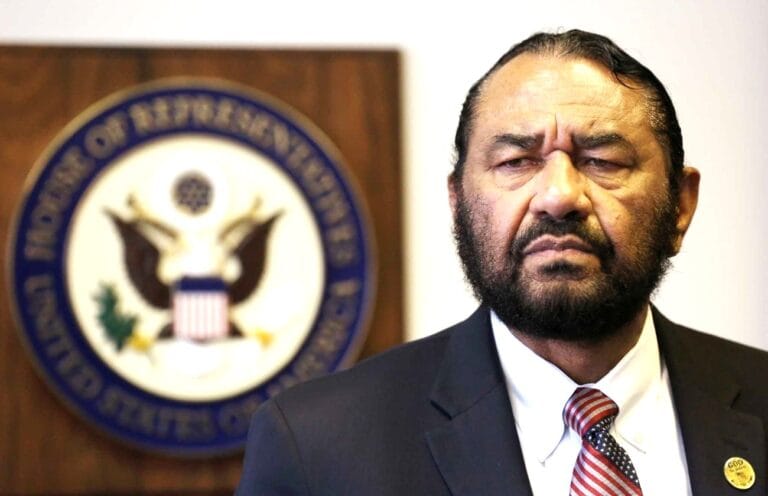
Texas Congressman Al Green Speaks

“It is more important to stand alone than not stand at all,” according to the longstanding Black Texas congressman.

“I assume there is some effort to sanction me…I will accept whatever the punishment is” says Democratic Texas Congressman Al Green. He was escorted out of the well of the House last night after disrupting President Donald Trump’s speech. However, Green acknowledged he accepts the punishment saying, “ I respect them but, I would do it again” as it is “a matter of conscience.” According to social media reports, Washington State Republican Congressman Dan Newhouse is working on a resolution to censure Green. That resolution is reportedly supported by Republicans and could be voted on as early as today.  It is expected to pass in the House. Republicans move to censure Al Green.

The typically soft-spoken Congressman Al Green told Black Press USA exclusively, “I don’t begrudge him [Speaker Mike Johnson] in any way for having me escorted off the floor.” Green also commented that the police officers who led him out of the room were “kind.” Last night Speaker Johnson asked Congressman Green to sit down while calling for decorum. Green did not comply with the demand as he stood directing his cane at President Trump and yelled, “You don’t have a mandate to cut Medicare and you need to raise the cap on social security. “ The longstanding Congressman spoke on the disruption at the speech while reflecting on being “incarcerated” with late civil rights icon John Lewis. The late Georgia Congressman John Lewis promoted peaceful agitation that is oftentimes uncomfortable. Green said of his protest last night, “If you get in the way, you break the rules, you have to be ready to suffer the consequences.”  If the resolution passes, Green would be the only congressperson to be censured for disruptions during a Presidential joint session speech in recent years. For history, during Biden’s speeches, there were disruptions. Colorado Congresswoman Lauren Beobart and Georgia Congresswoman Marjorie Taylor Green shouted at then-President Biden while he was delivering his address. And, South Carolina Representative Joe Wilson loudly interrupted a 2009 Obama State of the Union address with the words “you lie.” Congressman Green was the only person escorted out of the presidential address to the joint session last night. He admitted he was “speaking out of order.” Meanwhile, as this censure matter is working its way through the House, Congressman Al Green still plans to follow through on a promise to file articles of impeachment against President Trump.  “This president is causing harm to society,” emphasized the federal lawmaker who filed articles of impeachment against Trump during his first term in office. “It is more important to stand alone than not stand at all,” according to the longstanding Black Texas congressman.

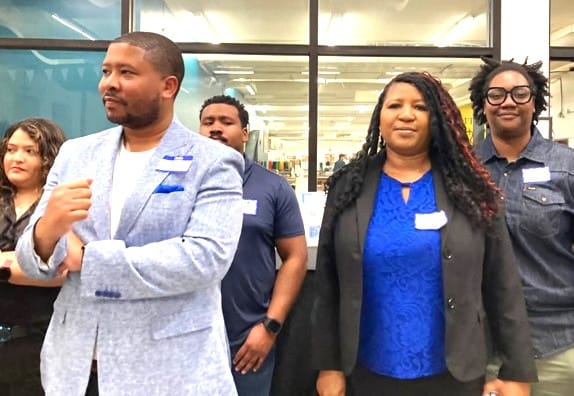
Local Democrats Elect First Black Woman to Chair Hamilton County Party

Nikwonn Robinson-Cooke made history on March 8, becoming the first Black woman elected chair of the Hamilton County Democratic Party (HCDP).

Nearly 300 supporters attended the landmark election at the party’s biennial Reorganization Convention, held on the fourth floor of the Chattanooga Public Library. The event, coinciding with International Women’s Day, began at noon after registration opened at 11 a.m.

“I’m excited,” said Robinson-Cooke, fighting back tears after her victory. “But also, it’s just really eye-opening to know that the first Black chair is elected in 2025.”

Robinson-Cooke secured a decisive victory in a three-way race, defeating former school board member and state House candidate Kathy Lennon and Aaliyah Hakeem, daughter of state Rep. Yusuf Hakeem. The final tally was 153 votes for Robinson-Cooke, 109 for Lennon, and 10 for Hakeem.

While the party has previously had Black chairs step into the role, Robinson-Cooke marks the first to be directly elected to the position.
The 47-year-old Ooltewah-Collegedale resident brings considerable experience as a training and leadership development professional. She has applied these skills to organize various political campaigns, most recently serving as a field organizer for state Rep. Gloria Johnson’s U.S. Senate campaign against Republican incumbent Marsha Blackburn.

“The work ahead of us is not easy,” Robinson-Cooke told attendees, “but I stand before you today ready to fight, to mobilize and to win.”
Her priorities include early recruitment of candidates for the 2026 election cycle, intensifying fundraising efforts, and bringing new tools and resources to support candidates. She also plans to form committees within the party to delegate responsibilities to those who want to be engaged but aren’t elected party officers.

“I am committed to bringing them closer to the party and letting them know they have a seat at the table. Their voices will not be silenced. I am here to not just listen to their voices, but to amplify them,” Robinson-Cooke stated.

The convention also elected Kathy Lennon as Vice Chair, Matt Adams as Secretary, and Montrell Besley as Treasurer; Besley, of Alton Park, previously challenged Joe Graham (R-Lookout Valley) for the District 11 county commission seat in 2022, losing by 20 votes.

All officers will serve two-year terms.

The strong turnout of nearly 300 attendees marked a significant increase from the previous reorganization in 2023, which drew only 59 people.

Former HCDP Chair Rachel Campbell, who recently became Chair of the Tennessee Democratic Party, did not seek reelection to lead the county party.

She emphasized the importance of the convention, stating, “This is a critical moment for our party as we prepare for a pivotal 2026 election cycle. We have real opportunities to turn Hamilton County blue, and the work we do at this convention will lay the foundation for electoral success.”

The Hamilton County Democratic Party headquarters is located at 1089 Bailey Ave., Chattanooga.

MEASLES

By Daniel Pastula, Professor of Neurology, Medicine (Infectious Diseases), and Epidemiology, University of Colorado Anschutz Medical Campus

On Feb. 26, 2025, Texas health officials announced the death of a child in a measles outbreak – the first measles death in the United States since 2015. The outbreak was first identified in early February in Gaines County, Texas, where just 82% of kindergartners are vaccinated against measles, compared with 93% on average across the country. As of Feb. 27, there were at least 124 confirmed cases in Texas and nearby towns in New Mexico.

In an interview with The Conversation U.S. associate health editor Alla Katsnelson, neurologist and medical epidemiologist Daniel Pastula explains why measles is so dangerous and how people and communities can protect themselves from the virus.

(The CONVERSATION) What is measles, and where does it come from?

Measles is an ancient disease caused by a virus that probably evolved in cattle and jumped into humans around 500 B.C. One of the first written accounts of it comes from a Persian physician named Rhazes in the ninth century C.E., and measles epidemics were described in medieval Europe and western Asia regularly beginning around 1100-1200. The virus got brought over to the Americas in the 1500s, and it wiped out large populations of native people as Europeans colonized the continent.

By the 1950s in the United States, there were 500,000 reported cases of measles each year – though the true number was probably closer to 4 million . It was so contagious, every kid was thought to have gotten measles by age 15. At that time, measles caused close to 50,000 hospitalizations annually and about 500 deaths, usually in children. It also caused over 1,000 cases of severe brain inflammation every year.

The first measles vaccine became available in 1963, and scientists improved it over the following decades, causing the number of cases to plummet. In 2000, measles was declared eliminated from the U.S.

Since then, there have been occasional minor flare-ups, usually brought in by international travelers, but by and large, measles outbreaks have been rare. No one had died of it in the United States in nearly a decade.

Today, measles infections in the U.S. are almost completely preventable with vaccination.

How does measles spread?

Measles is one of the most contagious infectious diseases on the planet. The virus is so infectious that if you are in a room with an infected person and you are not vaccinated and have never had measles before, you have a 90% chance of becoming infected.

The measles virus is transmitted by droplets released into the air by infected people when they cough, sneeze or simply breathe. Virus particles can survive suspended in the air or on indoor surfaces for up to two hours, so people can get infected by touching a surface carrying virus particles and then touching their face.

Who should get the measles vaccine, and how effective is it?

The vaccine for measles has historically been called the MMR vaccine because it has been bundled with vaccines for two other diseases – mumps and rubella. Most children in the U.S. receive it as a two-dose regimen, which is 97% effective against measles.

Children generally get the first dose of the vaccine at 12-15 months old and the second dose when they are 4-6 years old. Infants who haven’t reached their first birthday generally do not receive it since their immune system is not yet fully developed and they do not develop quite as robust of an immune response. In an emergency, though, babies as young as 6 to 9 months old can be vaccinated. If an infant’s mother previously received the MMR vaccine or had been infected herself as a child, her transferred antibodies probably offer some protection, but this wanes in the months after birth.

People born before 1957 are considered immune without getting the vaccine because measles was so widespread at that time that everyone was presumed to have been infected. However, certain people in this age group, such as some health care workers, may wish to discuss vaccination with their providers. And some people who had the original version of the vaccine in the 1960s may need to get revaccinated, as the original vaccine was not as effective as the later versions.

What measures can protect communities from measles outbreaks?

Vaccination is the best way to protect individuals and communities from measles. It’s also the most effective way to curb an ongoing outbreak.

High rates of vaccination are important because of a phenomenon called herd immunity. When people who are vaccinated do not get infected, it essentially stops the spread of the virus, thereby protecting those who are most susceptible to getting sick. When herd immunity wanes, the risk of infection rises for everyone – and especially for the most vulnerable, such as young children and people who are immunocompromised.

Because measles is so contagious, estimates suggest that 95% of the population must be vaccinated to achieve herd immunity. Once vaccine coverage falls below that percentage, outbreaks are possible. (The CONVERSATION)

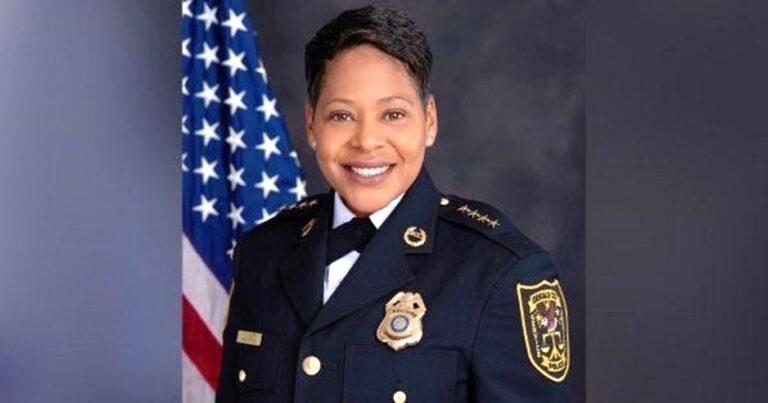
First Black Female Police Chief of DeKalb County: “I Was Given 21 Days to Resign or Be Fired”

Nationwide — DeKalb County Police Chief Mirtha Ramos, an African American woman who made history as the county’s first female police chief, says that she was placed on administrative leave and given an ultimatum to either resign or face termination. She now seeks to clarify the circumstances of her departure. 

Ramos, who has led the department in Georgia’s fourth most populated county since 2019, said she was given 21 days to make the decision. “If I don’t resign, they’ll terminate me,” Ramos told WSB-TV. “I want people to know that I didn’t just step down voluntarily. I would not have just left without saying goodbye to our community and our officers.” 

Although Ramos was placed on administrative leave, she insisted she did nothing wrong, though being placed on leave made it seem otherwise. She acknowledged that if she made any mistakes, they were unintentional. 

Under her leadership, DeKalb County saw a significant drop in crime. In 2023, violent and property crimes fell by 13%, though rapes and homicides slightly increased. So far in 2024, homicides have dropped by 77%, a statistic Ramos considers a major achievement. 

She also addressed the county’s police staffing issues. With only 527 officers, the department is nearly 300 officers short of its budgeted numbers. However, she noted that the decline in officers started before her arrival in 2014 and continued each year, except for 2019 and 2020. 

Meanwhile, DeKalb County CEO Lorraine Cochran-Johnson declined to comment on Ramos’ leadership. On the other hand, Ramos expressed support for the recent pay and benefits increases for officers, calling them long overdue and necessary for retention. 

Ramos said her biggest accomplishment was strengthening community engagement, which a national report recognized. She also credited her recommendation of triple overtime to then-CEO Michael Thurmond for keeping enough officers on duty despite staffing shortages. 

Although she is no longer chief, Ramos remains proud of her work and optimistic about what comes next.  “I have faith that I will be directed to where I need to go. I have faith that I have done everything that I could for this department,” Ramos said. “I lived and breathed for this department for five years.”

Maria Louise Baldwin

Maria Louise Baldwin, a pioneering educator, made history in 1881 by becoming a teacher at the Louis Agassiz School, an all-white school for the children of Harvard University professors and white citizens of Cambridge, Massachusetts. She supervised 12 white teachers and educated over 500 white students. By 2004, the Cambridge School Committee renamed the Agassiz School, the Maria L. Baldwin School, a fitting tribute to her enduring impact. The Baldwin School became a National Landmark in 1976 and was regarded as one of the best schools in New England.

Born free in Cambridge, Massachusetts, on September 13, 1856, Baldwin was the eldest daughter of three children born to highly respected and financially secure parents, Peter L. Baldwin and Mary E. Baldwin. Her father was a postal worker. Baldwin attended Cambridge public schools and graduated from Cambridge High School in 1874. A year later, she received a teaching certificate from the Cambridge Training and Teaching program.

By 1889, at 25, Baldwin became the school’s first African American principal. She was later promoted to Headmaster, one of only two women in the history of the Cambridge school system to hold this title. Baldwin’s school was elite and the first to introduce advanced mathematics, art instruction classes, and open-air classrooms to provide fresh, clean air for students with respiratory problems. She also appointed a school nurse.

In 1893, Baldwin became a founding member of the Black Women’s Era, the predecessor organization to the National Association of Colored Women (NACW), a Black women’s suffragist organization that addressed lynching, segregation, and inequality for Black women. She and her inner circle worked tirelessly for full equality and justice for all African Americans who lived under sanctioned inequality in the Jim Crow North and South, where rampant racial oppression and violence existed.

Maria Baldwin was also a member of the Niagara Movement, the predecessor to the National Association for the Advancement of Colored People (NAACP). In 1897, Baldwin, a renowned lecturer, became the first woman and African American woman to give the Brooklyn Institute of Arts lecture on Harriet Beecher Stowe for the Annual George Washington Birthday Celebration.

Over her long instructional career, Baldwin also taught at Hampton Institute in Virginia and the Institute for Colored Youth (ICY) in Cheyney, Pennsylvania. In 1903, Baldwin was elected President of the Boston Literary and Historical Association. Baldwin never married nor had children. On January 22, 1922, at the age of 65, while delivering a speech at the Robert Gould Shaw House Association, she collapsed after suffering a heart attack and died. Baldwin is buried at the Forest Hill Cemetery in Jamaica Plain, Massachusetts.   (Contributed by: Karika Ann Parker)

By Lena Surzhko Harned, Associate Teaching Professor of Political Science, Penn State

(The CONVERSATION) “A president just disrespected America in the Oval Office. It wasn’t Zelenskyy.”

That was the verdict of the editorial team at the Kyiv Independent, one of Ukraine’s leading media outlets, on a remarkable spat in the Oval Office that played out on Feb. 28, 2025.

The online newspaper European Pravda characterized the “quarrel at the highest level” as a diplomatic failure, but added that it was “not yet a catastrophe.”

Some Ukrainians I have spoken to since the fractious encounter, during which Ukraine’s Volodymyr Zelenskyy was repeatedly hectored by U.S. President Donald Trump and Vice President JD Vance, have indeed characterized it as disastrous for the country. But for others, the incident has been calmly accepted as the new reality in U.S.-Ukraine relations.

There have been some questions directed at Zelenskyy – did he allow himself to be baited into an argument that could have real consequences? Should he have remained silent? But for the most part, the treatment of Ukraine’s president by Trump and Vance has produced a presumably unintended consequence: It has unified a war-weary Ukrainian people.

As one friend who has been displaced by war from the now occupied city of Nova Kakhovka told me, there has not been this level of mobilization and patriotism in three years.

Do experts have something to add to public debate?

We think so

‘The country needs unity’

This unity is seen in the response across Ukraine’s political divide. Petro Poroshenko, an often outspoken opponent of Zelenskyy and leader of the opposition party European Solidarity, said on March 1 that, to the surprise of many, he will not criticize Zelenskyy’s performance at the White House. “The country does not need criticism, the country needs unity,” he said in the video posted on X.

Anecdotally, even those Ukrainians who did not vote for Zelenskyy have told me that events in the Oval Office made them feel more supportive of Zelenskyy.

However, a sense of realism is sinking in over the shifting stance of the U.S. administration. Trump’s stated trust in Vladimir Putin and his conciliatory comments over Russian aggression – including a refusal to acknowledge Russian war crimes – have, for many Ukrainians, set low expectations that the White House can help achieve a quick and lasting peace. Yet, as Inna Sovsun of the opposition party Holos noted, “It was difficult to watch a president who’s been a victim of Russian aggression being attacked by the leader of the free world.”

Setting the record straight

The Feb. 28 meeting between the U.S. and Ukrainian leaders followed weeks of increasingly harsh Trump rhetoric toward Zelenskyy. Since being inaugurated on Jan. 20, Trump has called the Ukrainian leader a “dictator without elections,” claiming – incorrectly – that Zelenksyy had 4% approval ratings. He also indicted that the invasion by Russian troops in February 2022 was Ukraine’s fault.

Such comments had already made Ukrainians rally around Zelenskyy, who has a healthy 63% approval rating, according to the latest polls.

The ugly scenes in the Oval Office could see a further rallying around Zelenskyy, especially if he can successfully characterize his role in the dispute as that of defender of his people. Doing so would tap into growing popular resentment over the new U.S. administration’s apparent unwillingness to acknowledge Russian war crimes.

In the days leading up to the Zelenskyy-Trump meeting, the U.S. voted with Russia against a United Nations resolution condemning Russian aggression and opposed the wording of a draft G7 statement marking the third anniversary of the war, which depicted Russia as the aggressor.

Letting Putin off the hook

The angry exchanges in the Oval Office seemed to have been sparked by Zelenskyy’s objection to Trump’s assertion that Russian President Vladimir Putin is a man of his word.

That refusal to call out Putin – who faces an arrest warrant from the International Criminal Court – angers Ukrainians who have suffered Russian aggression for three years. To hammer that point home, Zekenskyy showed Trump and others in the Oval Office photos of Ukrainian prisoners of war who return from Russian captivity tortured and abused.

As Ukrainian human rights lawyer and Nobel Prize winner Oleksandra Matviichuk noted in a Feb. 17 speech, 65% of Ukrainians polled early in the conflict said their main disappointment in ending the war would be “impunity for Russian crimes.” Three years of conflict will have only hardened that sentiment – yet the U.S., under Trump’s leadership, looks increasingly willing to let Putin off the hook.

Defender of the nation – and truth

A large section of Ukrainian media – both traditionally pro- and anti-Zelenskyy alike – have since Feb. 28 portrayed the president in the role of a defender of both his nation and the truth.

He was, this framing has it, forced into the difficult position of having to set the record straight and challenge untrue statements in real time, and in front of the seemingly antagonistic leader of the world’s largest economy, whose support has been crucial in Ukraine’s attempt to repel the invading Russian army.

To some, keeping silent would have been tantamount to capitulation, but others have questioned Zelenskyy’s approach.

While still maintaining that Zelenskyy’s key message was correct, some Ukrainians have suggested that his emotional tone in the Oval Office was not constructive.

Opposition lawmaker Oleskiy Goncharenko suggested in an interview on CNN that Zelenskyy should have been more “diplomatic” and more “calm” given that the stakes were so high.

Meanwhile, there were also those who questioned the decision to hold such an important conversation in front of the press, especially without the use of professional translators who potentially could have tamped down the rhetoric and slowed the pace of the exchange. Thus, as Tymofiy Mylovanov, the adviser to the office of the president and head of the Kyiv School of Economics put it, some things could “have been lost in translation.”

‘Zelensky is our democratic leader’

So where does the Oval Office dispute leave both Zelenskyy and U.S.-Ukrainian relations?

In the aftermath of the dispute, Republican Sen. Lindsey Graham – who has been a staunch supporter of Ukraine – suggested that Zelenskyy should resign, the implications being that his relationship with Trump was so broken that his presence is now counterproductive for Ukraine’s priorities.

It is a line that hasn’t gone down well in Ukraine. Kira Rudyk, the leader of opposition party Holos, retorted that it was up to the Ukrainian people alone to decide on their leadership and future.

Moreover, to many Ukrainians the barrier to harmonious Ukraine-U.S. relations is not Zelenskyy, but Trump.

Mustafa Nayyem, who served in Zelesnkyy’s government, summed up the view of many Ukrainians by claiming in a social media post that the Trump administration “does not just dislike Ukraine. They despise us.” The “contempt is deeper than indifference, and more dangerous than outright hostility,” he added in the Feb. 28 post.

Intentional provocation

Serhii Sternenko, a Ukrainian activist lawyer and blogger, described the Oval Office spat as an intentional provocation on behalf of Trump to discredit Ukraine as an unreliable partner in the peace negotiations. Sternenko is not alone in his assessment. Journalist and blogger Vitaly Portnikov argued that the spat was the result of Trump’s unrealistic promise of ending the war quickly being confronted with the reality that perhaps Russia does not want to make any concessions. The thinking here is Putin has shown no indication that he will bend on his war goals, so for Trump, framing Zelenskyy as “not ready for peace” allows the U.S. president to walk away from his campaign promise without accepting defeat.

UNITA

0

On courage (aka valor, gutsiness, moxie) and the lack thereof!

I grew up scared of Mississippi. Why? Because I believed that anyone in their right mind wouldn’t want to step one foot into that state given its horrible history of lynchings and assassinations of folks who looked like me – think Medgar Evers, Emmitt Till, Rev. George Lee, Jimmy Lee Jackson and James Chaney to name a few.

On top of that, the ominous lyrics of Lena Horne’s famous, “Mississippi Goddam” only exacerbated my jitters, a fear cemented by images of the Confederate flag, the Klan, and, more terrifying, grainy black and white photos of Black men dangling from the end of hangman nooses while throngs of white adults and children took it all in on Sunday afternoons after morning church services.

And I continued to hold onto this portrait of Mississippi when I first drove through there flummoxed with the question of am I driving too fast or too slow, paranoid with staying within the speed limit to minimize the chances of getting pulled over by the caricature of a sunglass wearing “good ole boy.”

Now that was before I encountered the courageous works of Oxford, Mississippi born novelist William Faulkner, before I met some phenomenal Mississippians who were then students at the Harvard Medical School, and before I met a talented spoken word artist Mississippian named “Bernard.” Point being the more I traveled the scenic road of life, I met new people, re-educated myself and corrected my knowledge of history.

So today I’m hard pressed to get Mississippi out of my system, particularly the good folks from there whose good deeds have been overshadowed by the state’s sordid history of racism. Further deepening my affection for those Mississippians is their courage under trying circumstances. “Courage” – and by inference, the lack thereof – is the operative word of this narrative.

Now happenstance, divine providence or something else, but here I was completely absorbed in a book about the life of the little-known Civil Rights activist and Mississippian, Unita Blackwell, author of “Barefootin’…Life Lessons from the Road to Freedom,” when the news broke.

That news?  Well, another largely unknown Bishop Marianne Budde politely – again politely – asked a newly elected president to be “merciful.”  But what occurred during the aftermath left me scratching my head and asking since when it is such a terrible thing to ask anyone, let alone the president, to be merciful. His negative late-night response and the hateful vitriol she encountered, including death threats, afterwards rendered me speechless.

C’mon folks, really? Is this what we’ve become – or always have been – as Americans? What happened to “the home of the free, land of the brave?”  Sorry but I just don’t get it.

Nor do I get why the president, the so-called most powerful person in the free world, would accuse her of being “nasty,” his go to word for women who dare to stand up to him. Courageous? Yes. Nasty. No, anything but.

Now If there’s any doubt about the “nastiness” of her message, just listen to it again like millions of us have done. Unless I exist somewhere in la la land, my ears didn’t lie and neither did yours.

Now after finally getting past the exhaustion of all that, I tried to get back to completing Unita Blackwell’s book when tragedy struck when an American Airlines plane crashed into a helicopter over the Potomac River resulting in the deaths of 64 travelers.

But if there’s such a thing as an upside to that heart breaking accident, for yours truly it was learning about the courageous Mississippi born Martin Skutnik, an employee of the United States Congressional Budget Office who, on January 13, 1982, saved the life of Priscilla Tirado following the crash of Air Florida Flight 90 into the frozen Potomac river. Yes, that same Potomac River.

As passengers were being rescued, Tirado was too weak to take hold of the line dropped from a helicopter. Skutnik—one of hundreds of bystanders—dove into the icy water and brought her to the riverbank. Of the 79 passengers and crew on board the airplane, 74 died. Because of television coverage, Skutnick was lionized by the media and received numerous well-deserved “hero” awards.

So, this is to acknowledge the courage manifested by the Bishop Budde, other Mississippians I called out in this space and the scores of others from all backgrounds who gave it their all in the struggle to help others obtain their constitutional rights.

On courage, here’s what Unita Blackwell had to say:

“I don’t know if it was courage I had or not. But if it was courage this is what I know about courage; you don’t have to think about courage to have it. You don’t have to feel courageous to be courageous. You don’t have to sit down and say you’re going to be courageous. Courageousness is the most hidden thing in your mind until after it’s done. There is some inner something that tells you what’s right.”

There’s no doubt that we’re in the midst of an epidemic of a lack of courage these days; a crisis that’s threatening to undermine our democracy. Look no further than politicians whose Modis Operandi are to vote to remain in power and to gain favor – what’s common sense and right be damn. 

In the end, valor, gutsiness, gumption, moxie (or, eh, “growing a pair”), call it what you want, but if ever there’s a common word that connects Unita Blackwell, Bishop Budde and Lenny Skutnick with the great Mississippians of yore, it’s that word – “courage.”

Returning back to page 46, that’s where I left off while reading Mrs. Blackwell’s “Barefootin”…Life Lessons from the Road to Freedom.” Terry Howard is an award-winning writer, a contributing writer with the Chattanooga News Chronicle, The American Diversity Report, The Douglas County Sentinel, Blackmarket.com, the Augusta County Historical Society Bulletin and recipient of the Dr. Martin Luther King, Jr. Leadership Award, and third place winner of the Georgia Press Award.