Thursday, October 15, 2026
Advertisement
Home Blog Page 91

Supreme Court Justice Clarence Thomas seeks to reverse the legacy of his predecessor, Thurgood Marshall

Daniel Kiel, FedEx Professor of Law; Author of The Transition: Interpreting Justice from Thurgood Marshall to Clarence Thomas, University of Memphis

FedEx Professor of Law; Author of The Transition: Interpreting Justice from Thurgood Marshall to Clarence Thomas, University of Memphis

The CONVERSATION- As public attention focuses on Supreme Court Justice Clarence Thomas’ close personal and financial relationship with a politically active conservative billionaire, the scrutiny is overlooking a key role Thomas has played for nearly three decades on the nation’s highest court.

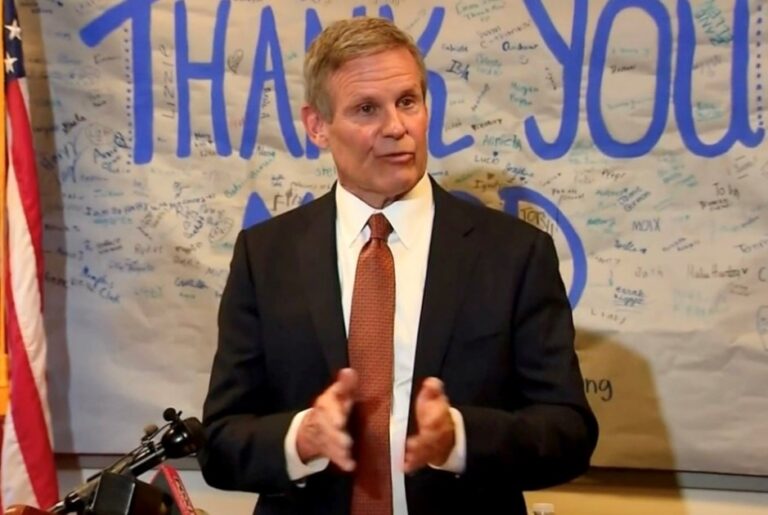
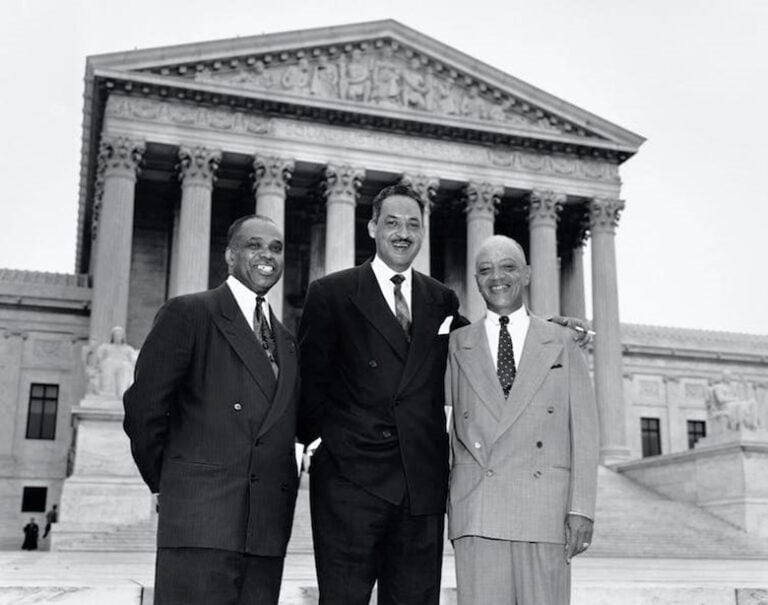
Thurgood Marshall, had a very different view of the purpose of the Supreme Court than his successor, Clarence Thomas (pictured).

Thomas’ predecessor on the court, Thurgood Marshall, was a civil rights lawyer before becoming a justice. In 1991, in his final opinion before retiring after a quarter century on the court, Marshall warned that his fellow justices’ growing appetite to revisit – and reverse – prior decisions would ultimately “squander the authority and legitimacy of this Court as a protector of the powerless.”

His prediction has been quoted by Supreme Court decisions since, including a three-justice dissent from the June 2022 Dobbs v. Jackson Women’s Health Organization ruling that declared there was no constitutional right to reproductive choice and overturned Roe v. Wade.

In his concurrence with the majority decision in that case, Thomas declared his opposition to Marshall’s principle, lamenting that the court had not done more to pare back its prior work. “In future cases, we should reconsider all of this Court’s substantive due process precedents,” Thomas wrote – directly implicating Americans’ rights to sexual privacy and same-sex marriage.

Throughout Thomas’ tenure he has pushed the Supreme Court to revisit prior decisions that embraced robust rights for society’s most vulnerable, and to replace Marshall’s vision with one more amenable to the powerful than the powerless. And in writing my book tracing the lives and work of both justices, I have seen the fruits of this effort multiply over the past decade.

A shield for those in need

Few phrases could so aptly capture Thurgood Marshall’s vision of the court’s work as “protector of the powerless.” And few, if any, Americans have done as much to make that vision a reality.

Marshall’s work to advance Black citizenship is well known, but he also fought for expanded rights for women and the indigent, the accused and convicted, adherents to marginalized religions and those with unpopular viewpoints.

At the root of Marshall’s jurisprudence was a hope that while law could be a powerful tool of oppression, it might also be a shield.

As he wrote in that final dissent, in Payne v. Tennessee, enforcement of constitutional rights “frequently requires this Court to rein in the forces of democratic politics,” to protect the powerless from the tyranny of the majority.

While his Payne dissent criticized the court for reversing itself, Marshall was no stranger to calling for reconsideration of established law. Marshall’s signature accomplishment as a lawyer in Brown v. Board of Education was to convince the court to overturn the doctrine of separate but equal that had emerged after the 1896 Plessy v. Ferguson decision.

As a justice, Marshall argued passionately and repeatedly that the death penalty violated the Eighth Amendment’s prohibition on cruel and unusual punishment, leading to a brief period where it was considered unconstitutional.

The distinction between Marshall and Thomas is not really about whether the court should reverse past decisions but simply which ones.

While Marshall willed the court to become a “protector of the powerless,” Thomas has, I believe, argued not only to scale that vision back, but to advance the interests of the powerful.

Power as a key factor

While last summer’s abortion decision is an obvious example, Thomas has led the court’s assault on precedent in other areas as well.

For example, years before the court invalidated portions of the Voting Rights Act in Shelby County v. Holder, Thomas had argued that the lack of modern voting discrimination made the act unnecessary.

Similarly, recent decisions have followed Thomas’ lead in weakening the vitality of the First Amendment’s Establishment Clause, which fortifies the separation between church and state.

Thomas has even called for the court to reconsider its ruling in Gideon v. Wainwright, which established a constitutional right to a lawyer for indigent criminal defendants.

In each case, it is the powerless who stand to be most significantly affected.

Those in need of constitutional protection in Thomas’ view are more likely to be property owners, corporations making campaign contributions or gun owners.

On affirmative action

Perhaps no topic better captures the distinction between the two men’s views than affirmative action, which the court is considering in a pair of cases from Harvard and the University of North Carolina to be decided this term.

The distrust of government that fuels many of Thomas’ perspectives is never more personal than in cases about the use of race in college admissions. He has railed against affirmative action, saying it brands Black people in prominent positions with a “stigma” about “whether their skin color played a part in their advancement.”

Indeed, Thomas claims his position requiring colorblindness is a better path toward full Black citizenship. He has made that claim even in situations where he knew it would result in more limited access to opportunities for Black students in the short term.

Marshall always looked at the issue from a different perspective, arguing that access to opportunities was essential not only for the Black students affected but for the nation at large.

“If we are ever to become a fully integrated society, one in which the color of a person’s skin will not determine the opportunities available to him or her,” Marshall wrote in 1977, “we must be willing to take steps to open those doors.”

It was access for the powerless that Marshall thought ought drive the thinking of the court.

But this summer, the court may finally embrace a different vision on affirmative action, coming again to a position Thomas has been advocating for decades. That turn would be yet another reversal squandering Marshall’s vision of the court. (The CONVERSATION)
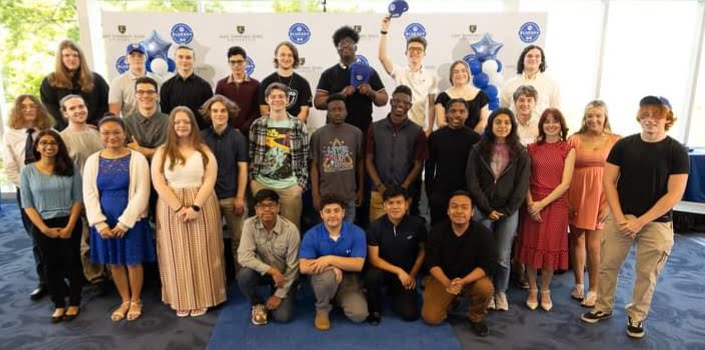

BlueSky Institute Launches Second Class at Signing Day Event

BlueCross BlueShield of Tennessee (BlueCross) and East Tennessee State University (ETSU) formally welcomed 29 Chattanooga-area high school students to the second-ever class of the BlueSky Institute in an April 22 ceremony. This second cohort, which totals 30 students, doubles the size of the workforce development venture that offers the opportunity to earn a bachelor’s degree in computing and a job offer in just over two years.

BlueSky Institute aims to foster the advanced technology talent BlueCross needs to serve its customers, communities and business partners, with an emphasis on engaging individuals from diverse backgrounds. 

Students progress through an accelerated version of ETSU’s accredited computing curriculum and gain real-world experience with technology and professional mentorships at BlueCross along the way. Those who complete the program may have the chance to launch their career with the company following graduation.

“It’s really exciting to see this program grow and develop,” said Bradley Leon, BlueSky Institute executive director. “Our first student cohort has benefited so much from the mentorship and intensive support our program offers, and they’ve fully engaged with the opportunities they’ve been given to develop their knowledge and tech skills. We look forward to applying the lessons and experiences of this first year to support our new class as they join us on campus.”

The second cohort of the BlueSky Institute includes graduates of 14 Chattanooga-area high schools: Central High School, Chattanooga School for the Arts and Sciences, East Hamilton High School, East Ridge High School, The Howard School, Hixson High School, Marion County High School, Ooltewah High School, Red Bank High School, Sale Creek High School, Sequoyah High School, Soddy Daisy High School, STEM School of Chattanooga and Tyner High School.

The students of the second cohort will join the inaugural class at the BlueSky Institute facility located within the BlueCross Cameron Hill headquarters in August. With the addition of a third cohort in fall 2024, the program will reach its maximum planned size of around 100 students.

“We look forward to what the future holds for each BlueSky Institute student, and for the program as a whole,” said Dr. Brian Bennett, chair and associate professor for the Department of Computing at ETSU. “We’re proud to be the educational partner for this initiative, which will continue to expand career opportunities for people across our region.” Learn more about the BlueSky Institute program at blueskytn.com.

They all ‘look alike’ to me!

I left the store and headed to my bright red car. About ten feet away, I tapped the silver button on my key fob to open the door. Humm, it didn’t open.  

So, I put my bag on the ground and pushed the key into the door to open it manually. Again, nothing.

Befuddled, when I looked away thinking about my options, (AAA, calling wife) I noticed a red car, same color as mine, parked next to me.

Uh, oh!

I turned back and peered into the window of the car I couldn’t open and, oh shucks, its contents indicated that it was not my car. Shocked by what just happened – or could have happened – I unlocked and retreated to my car, climbed into the front seat, wiped away the sweat and tried to process what just happened…. and, considering the world we live in today, the tragic consequences of what could have happened.

As I sat there breathing heavily, images in my mind of friends and loved ones parading past my open coffin, the result of what could have happened, was unnerving. I snapped out of that daymare and got the heck out of that parking lot.

Let’s look at my experience against news that took place over a recent span of six days.

First, when Ralph Yarl rang the doorbell of Andrew Lester’s Kansas City, Mo., home by mistake, the 84-year-old White man was “scared to death,” he told police. No words were exchanged, Lester told police, before he lifted his .32-caliber revolver and shot through a glass door at Yarl, hitting him in the head and arm. Although Yarl, who is 5-foot-8 and 140 pounds, Lester said the teenager was a “Black male approximately 6 feet tall,” and that he was scared to death due to the male’s size. Two days later in upstate New York, a group of friends pulled into the wrong driveway. The homeowner came out and shot at them killing one, a 20-year-old girl.

Three days later a cheerleader in Texas got into the wrong car and got out, but the man in the car got out and shot her. Soon after, a Walgreens employee opened fire in the parking lot on two women suspected of shoplifting. And when a little girl’s basketball in North Carolina ended up in a neighbor’s yard, that neighbor came out and shot both her and her father.

Now what’s petrifying about all this is the unsettling reality that by the time the ink is dry on this piece, more similar shootings will happen. So the question we’re left with – Black parents in particular – how do you hold back the outrage and tell your Black kid what they must do just to survive in public these days?

Now does a lot of this have to do with race? Of course it does. In all cases, no. In far too many cases, emphatically yes. There’s no denying that a person’s physical characteristics, skin color chief among them, are often the cause of “scared to death” knee jerk reactions.

Research confirms, for example, that people who were asked to judge the size of Black people tended to see Black men as bigger and stronger than they actually were and gave Black children the attributes of adults. Need evidence? Well look no further than some recent high profiles that garnered headlines.

When a police officer shot 12-year-old Tamir Rice in 2014, the president of the Cleveland Police Patrolmen’s Association defended the officer describing Rice as “a 12-year-old in an adult body.” And former Ferguson, Mo., police officer Darren Wilson, who fatally shot 18-year-old Michael Brown in 2014, likened the struggle inside his vehicle that preceded the deadly shooting to “a 5-year-old holding onto Hulk Hogan.” Need I go on?

Back to the shooting in Kansas City, that city’s African American mayor, Quinton Lucas, said that since Yarl’s shooting, he’s questioned whether he would be in danger if he rang the doorbell at the wrong home at night. This, mind you, from the mouth of the mayor of a city with a population of a half million people.

“Before last Thursday, I don’t know if there’s a parent in America who would advise their child, White or Black, not to ring the doorbell,” Lucas said. “People need to reassess their biases and fears and recognize that Black people are not villains, that Black kids are not a threat,” he said. “There was no reason to fear this boy.”

Now this – brace yourself – said by Lester’s neighbors, the ones who refused to open their homes to a severely wounded Ralph Yarl, about Lester:

“He is a kind veteran.” 

 “Race did not play a part in this.”  

“He was just scared.”

So, where do we go from here America?

On my side of the answer, I plan to heed the advice from several Black parents:

Said one, never do a U turn into an unfamiliar driveway. Rather, drive to the nearest parking lot even if that means taking more time to course correct.

Said another, let young ones, boys in particular, know that the way they dress, and their voice tones can evoke strong negative reactions as do braids, tattoos, dreadlocks, and even facial expressions.

Said another, instruct them to use their GPS in advance to familiarize themselves with the picture of the place they’re going to and call the place in advance to confirm the address.

Back to my red car dilemma, perhaps I luckily “dodged a bullet” (pun intended) and should be grateful that some panicky “Lester” did not see me, five feet, ten inches tall and 185-pound soaking wet, as a hulking 6-foot 5-inch, 250-pound Black dude bent on emptying his wallet, stealing his Bud-Lite, or administering him some serious body damage.

For heaven’s sake America, the home of the free and land of the brave, who would have thought that a human mistake nowadays could earn you a trip to the local morgue! © Terry Howard is an award-winning speaker, writer, and storyteller. He is also a contributing writer with the Chattanooga News Chronicle, The American Diversity Report, The Douglas County Sentinel, Blackmarket.com, co-founder of the “26 Tiny Paint Brushes” writers’ guild, recipient of the 2019 Dr. Martin Luther King, Jr. Leadership Award, and 3rd place winner of the 2022 Georgia Press Award.

Special Report – Part 1: Action After the Nashville School Shooting – What’s Next

Tennessee State government will be funding school resource officers, mental health resources within schools, as well as improvements to school facilities’ security after the Nashville shooting in a private Christian school on March 27.

Governor Bill Lee confirmed plans to call the General Assembly back into a special session to discuss and debate some type of legislation addressing the access of weapons by individuals who are a harm to themselves and to others. Speculation as to this special legislative session points to a time after July, possibly as late as September.

Some demand immediate action that would limit gun ownership, limit the types of weapons sold and owned, as well as outlaw large capacity weapons and clips completely. Conversely, others believe their right to own weapons under the protections of the US Constitution’s Second Amendment transcend all other scenarios, rejecting measures that would limit sales, ownership, or manufacture.

Governor Lee, a Republican with a record of support of the Second Amendment, signed an Executive Order on April 11 which strengthened the background checks of individuals purchasing weapons through use of the Tennessee Instant Check System to both report relevant information and permit gun purchases.

Tennessee’s fiftieth governor also challenged Legislators to pass an order of protection proposal that would use the existing framework currently protecting victims of domestic abuse and violence from the perpetrators of their harm.

Present Tennessee law utilizes a process for victims seeking protections from an abuser involving law enforcement and the judicial system that includes a provision, among other interventions, whereby the Court orders the perpetrator to surrender all firearms. This dispossession of firearms means the named respondent/defender is “prohibited from possessing a firearm for so long as the order of protection or any successive order of protection is in effect.”

Governor Lee suggests this same approach be used for a temporary dispossession of firearms for a period not to exceed 180 days following a court petition by law enforcement regarding an individual believed to be a harm to themselves or others.

Terminology commonly used to debate legislative intervention, in addition to “orders of protection,” includes “red flag laws” or “extreme risk orders.” Nineteen states and the District of Columbia have some type of extreme risk or red flag laws in place. Virginia is the only contiguous state to Tennessee with such laws, with Florida’s Extreme Risk Law in force since passage in March 2018.

In Tennessee, the last legislation to address weapons possessed by those deemed a harm to themselves or others was passed in 2019 after the Nashville Waffle House shooting where the shooter’s father returned a high-powered weapon to the disturbed man despite his known history. The law, signed by Governor Bill Lee on May 21, 2019, made it illegal to transfer a firearm to a person known to have been deemed a substantial or serious harm due to mental illness or emotional disturbance by a physician and adjudicated through the Court.

Follow this issue and future analysis at your Chattanooga News Chronicle,

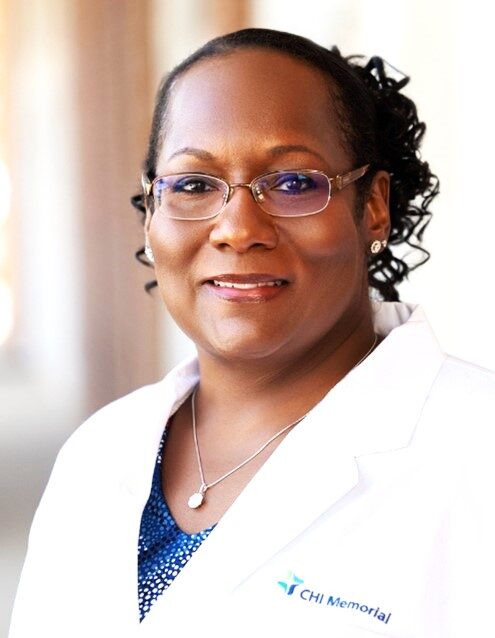
Kimberly Pickett, MD, Joins CHI Memorial Family Practice Associates

Memorial Medical Group is pleased to announce Kimberly Pickett, MD, has joined CHI Memorial Family Practice Associates – Northgate.

After earning a bachelor’s degree from Spelman College in Atlanta, Dr. Pickett earned her medical degree from Ross University School of Medicine in Dominica, West Indies. She completed her family medicine residency at the University of Arkansas for Medical Sciences in Fayetteville, where she also served as chief resident. She is board-certified by and a diplomate of the American Board of Family Medicine (DABFM). She has 10 years’ experience caring for patients in urgent and primary care settings.

Dr. Pickett joins Vicky Cooke, NP, and Julie Horton, NP, at CHI Memorial Family Practice Associates – Northgate. The practice is located at 1017 Executive Drive, Suite 101, Hixson, TN 37343. The office hours are 7 a.m. – 4 p.m. Monday through Friday. Dr. Pickett welcomes new patients. Call (423) 870-1999 to schedule an appointment. Same day appointments and video visits are available. Visit CHIMemorialMedicalGroup.org to learn more.

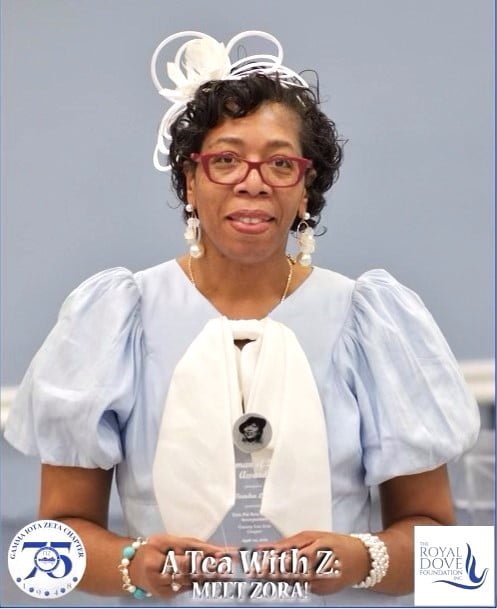
Dr. Love presented Zora Neale Hurston: “A Woman of Zeal” Award 2023

The Gamma Iota Zeta Chapter of Zeta Phi Beta Sorority, Incorporated recently presented their “Woman of Zeal” award to Dr. Tiundra Love, D.O. at the Kingdom Center, Chattanooga, TN. The award was presented during the sorority’s “Tea with Z” that honored the life and contributions of Zora Neale Hurston, the premiere anthropologist and folklorist in the 1920’s. Ms. Hurston was not afraid to go against the common thoughts of the day that related to education, race or politics and the effects of these topics on our social world. Education for women, particularly women of color, was a way to bridge the gap of social issues that continue to cause inequities locally and globally.

Dr. Love’s career and contributions exemplify all characteristics of The “Woman of Zeal” Award for a woman who through her personal or professional life helps to make the world a better place. This woman is: ● Community and Civic minded ● Enthusiastic in aiding and securing the well-being of others ● Devoted to the cause of truth that inherently affects our community in such a way that causes positive change ● Diligent in the pursuit for social justice and reform.

Dr. Tiundra Love, D.O. is a graduate of Virginia College of Osteopathic Medicine at Virginia Tech 2009. She trained in internal medicine at UT College of Medicine at Erlanger. While in training she was nominated for the Harold Alper Award 2012.

She is certified with the American Board of Internal Medicine and is a member of the American College of Physicians, Tennessee Osteopathic Medical Society, Sigma Sigma Chi Honors Society, and Mountain City Medical Society. Currently, she is a Hospitalist at Parkridge Medical Center.

2023 Chattanooga Armed Forces Day Parade

Lt. Col. Bill Brooks, USA [Ret], Chairman of the Chattanooga Armed Forces Day Parade Committee, announced today that General Duke Z. Richardson, USAF, will serve as the Chief Military Reviewing Officer and will address the Armed Forces Day Luncheon, both on Friday, May 5, 2023.

General Richardson serves as Commander, Air Force Materiel Command, headquartered at Wright-Patterson Air Force Base, Ohio. He is responsible for installation and mission support, discovery and development, test and evaluation, life cycle management services, and sustainment of virtually every Air Force weapon system. The command employs 89,000 people and manages $72 billion of budget authority annually.

General Richardson enlisted in the Air Force in 1983 as an avionics technician, later received his commission via Officer Training School, rising through the ranks to his current position as General, USAF.

Bo Cline, US Army Air Corps, World War II, Former POW, Parade Grand Marshall

Cline earned the rank of 2nd lieutenant while he as a bombardier navigator in the 391st bomb group 574 squad, 9th Air Force, USA. During the battle of the Budge, Cline۪’s plane was shot down during a bombing mission intended to hit the German village of Ahrweiler. When he made it to the ground, he was captured by German soldiers and spent the next 8 months in a German POW camp until the camp was freed by the Soviet Army.

As a POW he was put in a barrack – a shed, really – with 23 other prisoners. They ate small daily portions of bread, cut to the millimeter to ensure equal portions, and then they toasted the crust to make a delicacy they called “kriegy nuts” – from “krieg,” the German word for war.

After being liberated by advancing Russian troops, Cline returned to the United States, went to college with the help of the GI Bill, and eventually settled in Chattanooga, where he spent 30 years working for the former Provident Life and Accident Insurance Co., now Unum, before retiring in his early 60s. Mr. Cline and his wife are dedicated members of their church and Cline is an active member of MOAA and other veteran groups.

8 Contagious Diseases on the Rise Right Now

Diseases readily passed from one person to another are contagious, communicable, or infectious. It’s possible that some infections may spread via casual contact. For instance, the measles virus may remain airborne for up to two hours after an infected person’s cough. The measles virus may spread via the air and infect everyone who breathes it in. Protect yourself against the growing number of communicable illnesses by learning about new dangers, including antibiotic-resistant bacteria and the possibility of a global flu pandemic.
COVID-19
SARS-CoV-2, a coronavirus, is responsible for the biggest epidemic since the H1N1 flu pandemic of 2009. COVID-19, or the 2019 coronavirus illness, causes many symptoms, including high body temperature, difficulty breathing, muscle pains, and a diminished sense of smell.
The virus is transmitted by inhalation and droplet contact with an infected individual. There is optimism that the epidemic can be stopped thanks to new COVID-19 vaccinations.
Clostridioides Difficile
The Centers for Disease Control and Prevention (CDC) now rank C. diff infections as their top public health priority. The C. diff bacteria is very contagious and may cause fatal infections in certain people.
Diarrhea and intestinal inflammation (colitis) are symptoms of this illness. Most cases of C. diff are linked to hospital stays and antibiotic use.
To prevent spreading the potentially dangerous C. diff germs, anybody with a suspected case (and any household members or caretakers) should wear gloves when handling feces and wash their hands well with warm, soapy water.
Drug-Resistant Bacteria
In recent decades, antibiotic resistance has emerged in many bacterial species. These are some of the most typical. Carbapenem-resistant E. coli is an example of a bacterium that may develop resistance to even the strongest antibiotics on the market today, belonging to the family Enterobacteriaceae (CRE).
Multidrug-resistant people with compromised immune systems are at greater risk from Acinetobacter. Drug-resistant, Undercooked chicken may be a vector for the spread of campylobacter.
Pneumococcal illness caused by Streptococcus pneumoniae is resistant to many antibiotics. Drug-resistant Salmonella may be contracted by eating food not properly prepared or handled. Lungs are the common site of infection for tuberculosis, a bacterial disease.
Regular hand washing with soap and water, cooking meals to an internal temperature of at least 165 degrees Fahrenheit, and avoiding ordering raw or rare meat in restaurants may help reduce your risk of acquiring a bacterial illness.
Drug-Resistant Gonorrhea
Infertility and pelvic inflammatory illness due to untreated gonorrhea. The CDC claims that gonorrhea has become resistant to all but one kind of antibiotic used to treat this sexually transmitted illness and that the incidence of gonorrhea infections in the United States has been climbing quickly since 2009.
You can prevent gonorrhea by always using a condom, limiting your number of partners, avoiding unprotected oral intercourse, and getting tested for sexually transmitted diseases once a year.
Measles
Since 2010, the number of measles cases in the United States has increased almost every year, with a significant increase between 2018 and 2019. Complications from measles infection include death or developmental delays, including deafness and learning disabilities in young children.
Measles cannot be cured, but it is preventable with vaccination. There is no risk of getting measles from getting the vaccination. Consult your child’s pediatrician on the immunization schedule, and consult your own physician regarding the need for a booster vaccine, particularly in the case of overseas travel.
Influenza
The influenza virus travels quickly from person to person and doesn’t need any kind of physical touch for transmission. The flu may spread in several ways, including via the air around an infected person or by touching an infected surface and then contacting your eye. Seasonal flu poses a greater risk to public health than a pandemic flu outbreak, which happens when a novel flu virus appears anywhere in the globe and quickly infects huge numbers of people. Getting a flu vaccine every year is the best way to prevent getting the flu (or at least lessen the severity of your symptoms if you do get it).
Ebola Virus
The Ebola virus illness is not a big health risk in the United States. Despite previous efforts, the Ebola virus has recently reappeared in Africa. Infected people may have lethal bleeding due to this illness.
A medical assessment for Ebola should be sought by anybody who has recently been in touch with someone who has returned from an overseas trip and is showing symptoms (such as fever, diarrhea, and bleeding).
MRSA
Methicillin-resistant Staphylococcus aureus (MRSA) was one of the first antibiotic-resistant germs to gain widespread notice many years ago. MRSA is still a major problem in modern medicine. These microorganisms are linked to surgical site infections, pneumonia, and bloodstream infections.
MRSA is lethal if left untreated. Wash your hands regularly and thoroughly (particularly after being in public), use gloves when cleaning a wound or changing a bandage, and don’t share personal care products like razors that may irritate the skin and spread MRSA. (Source: BlackDoctor.org by Dominique Lambright/April 2023)

The Health Department Alerts the Public of a Recent Spike of Overdoses in Young Children in Hamilton County

HAMILTON COUNTY, TN – The Hamilton County Health Department would like to alert the public of an abnormal spike in non-fatal and fatal overdoses in young children. Throughout the last few months, our hospitals and local law enforcement have treated an alarming amount of adolescent children for illicit drug exposure – causing the Health Department and our community partners to raise the alarm. Fentanyl is 50 times more potent than heroin, 100 times stronger than morphine, and is a public health threat. Overdoses in children are exceptionally rare. In recent years, Hamilton County has never seen an overdose spike like this in young children. The number of overdoses that have occurred in children from suspected fentanyl, opioids, or other illicit drugs is a cluster of concern.
If you or someone in your home uses illicit drugs while living with a child, proper precautions should be in place to reduce the risk of an accidental overdose.

If someone in the home uses illicit drugs despite all recommendations, please make sure no children are present. Any fumes or powders inhaled can be fatal to a child.
If you have naloxone, keep it in a place where family, friends, and close contacts can easily locate it in an emergency. If you have naloxone, advise family and friends on how to administer it in the event of accidental exposure or overdose.
If you are a caretaker that is struggling with substance misuse, help is available. Please call/text the Tennessee REDLINE at 800-889-9789.

If you suspect that a child has been exposed to fentanyl or other opioids, administer naloxone if available and call 911 immediately. Naloxone can be given to people of all ages including infants. Early signs of fentanyl exposure might be hard to notice in a young child. According to the FDA, drowsiness is among the reported symptoms and can be misinterpreted as a tired child.
Other signs that a child might have been exposed to fentanyl and is overdosing include:

• Difficulty breathing
• Drooling or dry mouth
• Swollen face, tongue, or throat
• Agitation
• High body temperature
• Muscle stiffness
• Shortness of breath

Substance use disorders that affect parents and other caregivers can have negative and potentially deadly effects on the health, safety, and well-being of children. According to the TBI, a drug-endangered child is one whose brain or body has been affected because of their parent’s use of drugs or alcohol during pregnancy or is a child living in a home where drugs are being abused or illegally made and sold. Residents with legitimate concerns about a child’s safety should report it immediately. Reports can be made to the Tennessee Department of Children’s Services online at https://apps.tn.gov/carat/ or by calling their hotline at 877-237-0004. Please call 911 if there is a life-threatening emergency. Information regarding naloxone, overdose prevention, and more can be found in the Hamilton County drug overdose resource guide.

Questions? Call The Health Department Hotline at 423-209-8383.
For Health Department information visit: Health.HamiltonTN.gov
For more information on Harm Reduction visit: Six Essential Tips for Safer Drug Use | Drug Policy Alliance
• Narcan can be purchased at most pharmacies and is available for free at some community organizations.

Chattanooga rents increased 0.9% in April

Nationwide rents increased another 0.5% in April, but even as the busy season picks up, rent growth is coming in slower than in previous years. When prices skyrocketed during the pandemic, April rent growth clocked in at 1.1% in 2022 and 1.7% in 2021. And even before the pandemic, April rent growth was higher than it is today. Of course, regional variation exists, but the national numbers speak to a continued, broad cooldown of the rental market.

Items of particular interest include:

• Rents in Chattanooga increased 0.9% in April, compared to a 0.5% increase nationwide.
• Year-over-year rent growth in Chattanooga now stands at +0.8%, down from +17% one year ago. Since the start of the COVID-19 pandemic in March 2020, citywide rents have risen a total of 27.7%.
• Today the median rent in Chattanooga is $984 for a one-bedroom unit and $1,098 for a two-bedroom unit. And the citywide apartment vacancy rate stands at 5.6%, up 2.3 percentage points from this time last year.