Sunday, October 18, 2026
Advertisement
Home Blog Page 150

Congresswoman Waters Introduces Resolution to Commemorate the 30th Anniversary of Los Angeles 1992 Insurrection

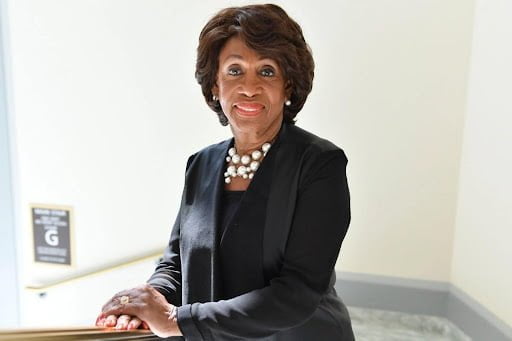
Washington, D.C. – Today, Congresswoman Maxine Waters (D-CA), Chairwoman of the Financial Services Committee, who was deeply involved in the response to the 1992 insurrection in Los Angeles, announced that she is introducing a resolution in the House of Representatives to commemorate the 30th Anniversary of the Los Angeles 1992 Insurrection.     

“Thirty years ago, we witnessed Los Angeles Police Department officers savagely beat an unarmed black man, Rodney King, while 17 police officers watched and did nothing to stop the brutal beating.” said Congresswoman Waters. “I could not believe my eyes back then and to this day that no one came to Mr. King’s aid. Furthermore, it was clear that police officers could care less about Mr. King’s life, and in doing so, provided additional evidence to people across this country of the injustices Black people suffer at the hands of police. What’s more, the acquittal of the police officers that denied the footage we had seen was just wrong, and the insurrection that followed was an outcry by people who had been forgotten, who had been denied opportunities, jobs, and wealth and now through this verdict had to accept police abuse.     

“When the insurrection broke out, I immediately went into the public housing developments and worked tirelessly to try to get diapers, food, and milk for children. As I walked the public housing developments, I demanded that electricity and water be restored, and urged the Department of Justice to file civil rights charges against the recently acquitted police officers. I was out on the streets explaining to anyone that would listen that people had a right to be angry. I redirected the conversation to use that moment to expose that people had been forgotten and found themselves trying to provide for their kids and find jobs.     

“My fighting against police abuse dates back to the extensive organizing and rallying to confront former Los Angeles Police Chief Daryl Gates in response to abusive tactics against Black men and women in the Los Angeles area.     

“I have continuously used my voice to oppose police abuse and support police reforms such as the George Floyd Justice in Policing Act, which passed the House last year and is now awaiting action in the Senate. Even though the Senate has not yet passed it, I will keep fighting so our voices are heard and will continue to demand justice to prevent what happened to Rodney King from happening to anyone again.”   

Black Patients Less Likely to Get High-Tech Prostate Cancer Therapy?

0

Use of a high-tech radiation cancer treatment called proton beam therapy (PBT) has increased overall in the United States, but Black patients are getting it less often than white patients, two new studies show.

What is proton beam therapy?

Traditional radiation treatment is photon-based, but PBT uses protons to deliver high-energy beams more precisely to tumors and reduce damage to surrounding healthy tissue.

PBT can be better than traditional radiation therapy for tumors with complex anatomy, tumors surrounded by sensitive tissues and childhood cancers, but PBT can be twice as expensive, according to the American Cancer Society.

To treat a patient, doctors and physicists work together to focus the proton beam on the exact size and shape of the tumor, according to John Hopkins Medicine.

To assess the use of PBT in the United States, researchers analyzed data on nearly 6 million patients in the National Cancer Database. They found that the overall use of PBT for newly diagnosed cancers rose from 0.4% in 2004 to 1.2% in 2018.

Private coverage was the most common type of insurance among patients treated with PBT for recommended cancers, while Medicare was the most common insurance among patients treated with PBT for cancers for which the treatment’s efficacy is still under investigation.

Disparities in PBT use

The study also found that Black patients were less likely to be treated with PBT than white patients (0.3% vs. 0.5%), especially for cancers for which PBT is recommended over traditional radiation therapy.

In fact, this racial disparity widened as the number of facilities offering PBT increased, and the disparity did not disappear after the researchers accounted for socioeconomic status or type of health insurance.

“We found that PBT use increased nationally between 2004 and 2018 for all eligible cancers, especially for cancers for which PBT is the recommended radiation treatment,” says Leticia Nogueira, lead author of both studies. She is a senior principal scientist, health services research, at the American Cancer Society.

“Especially concerning, however, was our findings also showed racial disparities increased as availability of PBT increased in the U.S.,” Nogueira said in a society news release.

“Our findings, unfortunately, highlight the fact that Black patients continue to benefit less from advances in medicine like PBT, even with increased availability of recommended treatment modalities,” Nogueira adds. “Efforts other than increasing the number of facilities that provide PBT will be needed to eliminate these disparities.”

What are the benefits of PBT?

Although regular and proton radiation therapy both damage the DNA of cancer cells, proton therapy has some slight advantages. Proton therapy is more energy-focused on the tumor and has less radiation, which can affect healthy tissue nearby.

Having less healthy tissue affected as a result of radiation can lead to milder side effects.

What’s more, damage to delicate structures such as the brain, heart, oral cavity, esophagus and spinal cord might be reduced, John Hopkins Medicine notes.

Is PBT right for you?

Proton therapy isn’t considered appropriate for every type of cancer. It is typically used for cancers in sensitive areas, where surrounding healthy cells have the potential to be damaged from treatment.

Discuss whether this is a suitable option for you with your doctor. Because proton therapy can be expensive, it is also important to check with your insurance provider about coverage. Some proton therapy centers have financial counselors to consult. (BlackDoctors.org by Jessica Daniels)

Public Invited to Celebrate Storytelling Spaces Artist Event Series

By Camm Ashford 

Community artists will take center stage for The Enterprise Center’s Storytelling Spaces event series which runs through May 7.

Featuring a wide range of mediums and interactive artwork, the series is focused on bringing access to the arts into neighborhoods and celebrating the many creatives who call Chattanooga home.

Eight local artists–who each received a $500 grant to complete their pitched projects–will 

showcase their work May 6 from 5:30-7 p.m. at the Avondale Community Center, 1305 Dodson Ave.

The event series will conclude on May 7, from 1-3 p.m. at The Bethlehem Center, 200 W. 38th St., with chances to chat with each artist and participate in interactive exhibits.

Storytelling Spaces events are free and open to the public, featuring everything from projector-screen projects to photography and works on canvas exploring themes like homelessness and inclusivity, as well as jewelry workshops, a puppet performance, and more.

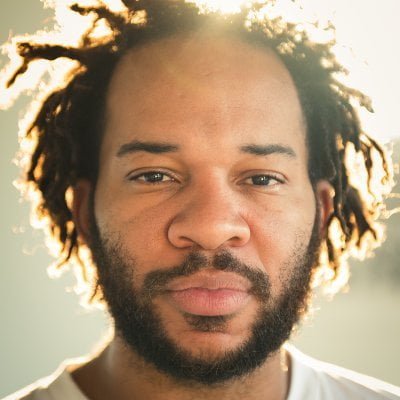
“It was really important to us to select locations that were meaningful to the artists and provide opportunities to access art (freely) in the communities they come from; to bring the work back to the places–and for the people–that inspired these projects,” said Storytelling Spaces grant and event coordinator Josiah Golson, also a local artist, published author and adjunct professor at the University of Tennessee at Chattanooga (UTC) Honors College’s Innovation Lab. 

The artist grants for the project were made possible by Project for Public Spaces and facilitated by Golson and The Enterprise Center, with sponsorship support from River City Company. 

A 2008 graduate of UTC with a bachelor’s degree in communication, Golson later earned a Juris Doctor degree from the University of Texas School of Law. He is the founder of the Chattanooga-based 800 Collective, a diverse group of artists using art as a means of civic engagement and public discourse. 

Featured artists include: Isela Arredondo, a jewelry maker, author and health specialist; photographer Jequise Beverly; Meredith Garrett, known as the River City Street Poet, an on-the-spot-poet; Jazmine LaBlanc, artist, story sharer and the co-founder and executive director of the East Lake Language and Arts Library (ELLA); Playful Evolving Monsters, led by puppet artist TJ Hanretta; Jordan Scruggs, artist, communicator and activist; Joshua Williams, a visual artist and student at Covenant College and Elea Xylem, a multidisciplinary artist.

For more information, visit theenterprisectr.org.

Chattanooga Team RWB Hosts 15th Annual Mountain Man Memorial March

0

By Camm Ashford 

The Chattanooga chapter of MMMM has become one of the largest volunteer-led events in the United States to celebrate and honor the sacrifice and service of military heroes. 

“Honoring the fallen…this weekend was tough but worth it,” said Squoia Holmes, a volunteer leader with the Chattanooga chapter of Team RWB. “To feel the resilience of our veterans, soliders, cadets and civilians march and honor their loved ones was sentimental.”

Team RWB is a national organization that seeks to engage veterans and active members of the military in meaningful social and physical activities to foster relationships and a renewed sense of purpose. More than 260 people are members of the Chattanooga chapter.

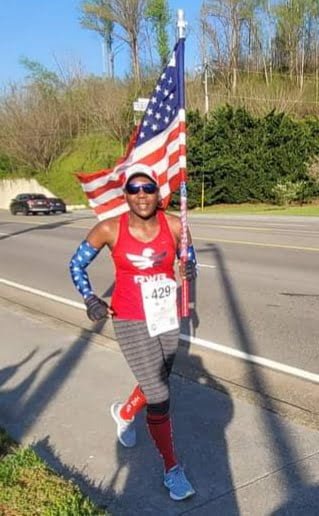
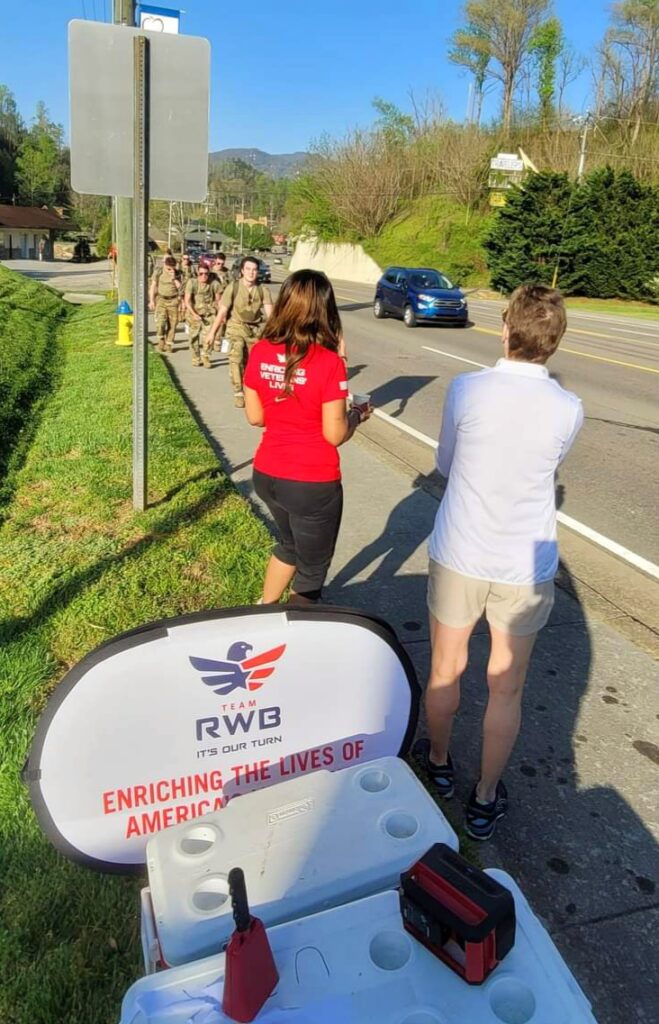
Carrying the American flag, Chattanooga Team RWB member Annette Tolliver runs during the 15th annual Mountain Man Memorial March in Gatlinburg on April 23

Following an opening ceremony at 8:30 a.m., this year’s MMMM started in downtown Gatlinburg at 9 a.m., with Military Heavy, Military Light and Civilian (non-military) entry categories. 

The 26.2-mile trek included highway and rural road stretches–in addition to rugged terrain and mountain slopes–and winded through downtown Gatlinburg along Highway 321 into the Great Smoky Mountains, where more than 600 runners and marchers found spectators waiting and cheering at the finish line. Winners were recognized and prizes awarded throughout the day.

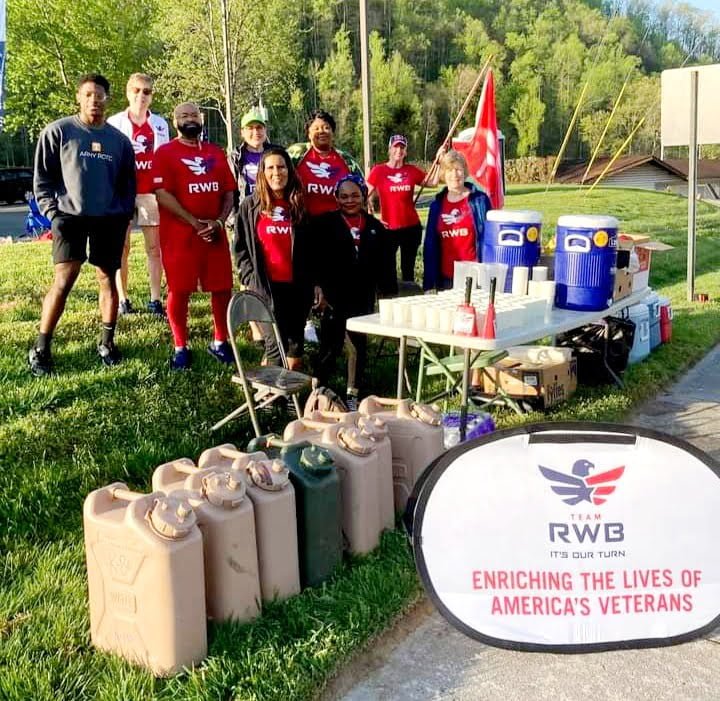
Around 15 volunteers from the Chattanooga RWB chapter provided support and encouragement for participants–which included manning water points distributed throughout the course, and supplying snacks, medical aid and additional assistance as needed.

MMMM began as a way to honor 1LT Frank B. Walkup IV, a 2005 University of Tennessee graduate and Reserve Officers’ Training Corps (ROTC) alumnus. Walkup was killed in action in Iraq in 2007, when an improvised explosive device detonated near his vehicle.

Volunteers from the Chattanooga RWB chapter provided support for participants of the 15th annual Mountain Man Memorial March in Gatlinburg on April 23. 

Upon learning of the death of 1LT Walkup, friends and fellow cadets who knew him were looking for a way to honor his sacrifice and that of his family; and, thus, the Mountain Man Memorial March was born.

The inaugural MMMM was held in Gatlinburg in April of 2008 with cadets from the East Tennessee ROTC programs. It consisted of a 26.2 mile march with each cadet carrying a 35 pound ruck sack. The UT Ranger team carried a picture of 1LT Walkup and presented it, along with a Gold Star flag, to his mother at the completion of the event.

To learn more about Team RWB, visit teamrwb.org or facebook.com/teamrwbchattanooga.

“The One You Feed!”  (A PUBLIC SERVICE ANNOUNCEMENT)

By Terry Howard

Okay, I’ll admit that last week’s news of Elon Musk’s purchase of Twitter was a big yawner for me. I was like, hey whatever!

But beyond that and another ho-hum week of other non-starters – daily doses of news about an ex-president, somebody named Kevin McCarthy, and a Florida governor’s relentless attack on Mickey Mouse, to name a few – what’s fed my angst are the far more important matters of spikes in hate and gun violence that’s sweeping the nation. 

More disturbingly is how so many hate and violence incidents no longer seem to show up on the front page of many news outlets these days. With a little page turning, you may be lucky to find such news in “section B,” which fosters the subliminal message that hate and violence are just part of a new normal.   

But the reality is that hate can spring up anytime and from anywhere. And it’s on the rise.

“Hey n__ger, go back to Africa, or variations, can puncture your comfort zone while you’re crossing a parking lot, walking on campus, in an athletic stand, in cyberspace – anywhere. Replace the “N-Word” with the “M-Word’ (Muslim or Mexican), the “B-Word” (“aggressive” woman) or the “F-Word” (Gay) and the aim of the dagger is the same – to hurt, to strike fear.

Inarguably, what sets off these cowardly acts are the usual suspects – alcohol, fear of change, societal “isms” and even messages from politicians. The mere sight of ethnic clothing, hearing a different accent or language, or just being different can instigate hateful acts.

Now to put all this into perspective, the Southern Poverty Law Center, a tracker of hate crimes in the U.S., reports that acts of hate are on a dangerous rise, including physical attacks on Asian Americans. Unfortunately, by every metric, African-Americans are the most targeted victims of reported acts of hate in the United States.

Similarly, antisemitic incidents from swastikas to hate-filled flyers to vandalism have increased nationwide according to a report released by the Anti-Defamation League last week.

So what do we do? I decided to sit down and interview myself in for answers:

Q: What are some warning signs that you could be the target of a hate crime?

SELF: Unfortunately, warning signs are hard to pinpoint since acts of hate are situational and can be activated in the heat of the moment, or by opportunity. The presence of alcohol, peer pressure, pent-up frustrations, outright fear, and a downturn in the economy can all lead to outbursts of hate.

Is it smart to avoid places that may be fertile grounds for hate-based abuse?

Self: I say exercise caution if you go to places where there are roving bands of profanity-using people, especially when you suspect that alcohol is involved. And if you are a person of color, make sure that your phone is fully charged and your gas tank is full before venturing into an unfamiliar neighborhood. 

Other than skin color, are there other factors that may incite acts of hate?

SELF: One’s appearance can make one vulnerable. For example, donning “foreign looking” clothing and headwear could make one susceptible to hateful comments. Other than that, asserting a desire for respectful treatment, and even open displays of affection between same-sex couples, could set off a human ticking time bomb.

How best do you respond in the “heat of the moment,” when you’re the target of a hate?

Self: Unless you’re under a physical threat, exercising expediency is by far the best approach, meaning just ignoring what happened and walking or driving away. That’s tough to do, I admit that. But again, I urge one to resist responding in kind. 

And if you’re in your automobile when someone yells out hate, roll up your window and look straight ahead. I also advise that you keep a full tank of gasoline when you’re out since some drive by haters may not stop at hurling epithets at you and may even follow you for a physical confrontation. Under these circumstances it is best to head to the nearest police station or busy, well-lighted parking lot which would likely result in the haters swerving off in some other direction.

That strategy may work for folks in your generation Terry, but what about this new generation not willing to suffer in silence? 

SELF: Well this may sound harsh, but I would say to them ask yourself, “If I strike back, do I have medical and burial insurance?” If not, there’s a fat chance that your parents will foot the bill, bail you out of jail…or be there when they close your coffin. The ultimate aim in any problematic situation is to get home, or whatever your destination, safely.

In the end, the ultimate goal is to protect yourself. You do that by staying tuned into your environment, being aware of the danger signs and acting accordingly. And as a parent, coach your young ones on what to do – and not to do – if they find themselves a target of hate or violence. 

An old Cherokee told his grandson a legend about a battle that goes on inside people. He said, “My son, the battle is between two wolves inside us all. One is evil and filled with anger, envy and hate. The other is good. It is joy, peace, love, hope, humility, kindness, generosity, truth, compassion, and faith. 

The grandson thought about this for a minute and asked his grandfather, “which wolf wins?” 

The old Cherokee responded, “The one you feed.”

Urban League of Chattanooga Makes an Announcement That Will ‘Reframe’ Its Future

0

By Camm Ashford

The Urban League of Greater Chattanooga last Friday hosted a reception for community leaders, supporters and friends to make an announcement that will “reframe” its future.

The economic and social justice organization is set this week to close on a new 12,000-square foot, $3.8 million mixed-use development, located at the 400 block of E. Martin Luther King Boulevard. Nashville-based and Black-owned Slim & Husky’s Pizza Beeria restaurant will anchor the first floor of the building. The Urban League and other office tenants will occupy its second and third floors.

“Today, I am proud to announce that the Urban League will take its rightful place in the heart of this city,” Chattanooga Urban League President and CEO Candy Johnson told the crowd of around 60 invitation-only guests during a 4 p.m. outdoor reception at Proof Bar and Incubator, 422 E. Martin Luther King Blvd. 

“This will be our new permanent headquarters. We’re reframing for the future of Chattanooga,  the future of economic inclusion. But this is just the start.”

The Urban League currently rents a building at 730 E. Martin Luther King Blvd. 

Johnson said a new permanent headquarters had long been a dream of former Urban League President Warren Logan, who died in January of last year.

“So this is an emotional moment,” Johnson shared. “It was a Warren Logan dream for us to have ownership in the heart of this city, where we can be a beacon of hope and light for large-scale Black success.”

 Johnson said property ownership aligns with the Urban League’s mission statement.

“That’s the power piece that we talk about in our mission statement when we say ‘to enable African Americans, other ethnic minorities and disadvantaged persons to achieve economic self-reliance, parity and power,”’ she said.

“It is time for reframing our future, not only as a city, but also our organization. How can you have power without ownership? We are an economic development agency, so how can we help uplift the Black and Brown community if we don’t have ownership?”

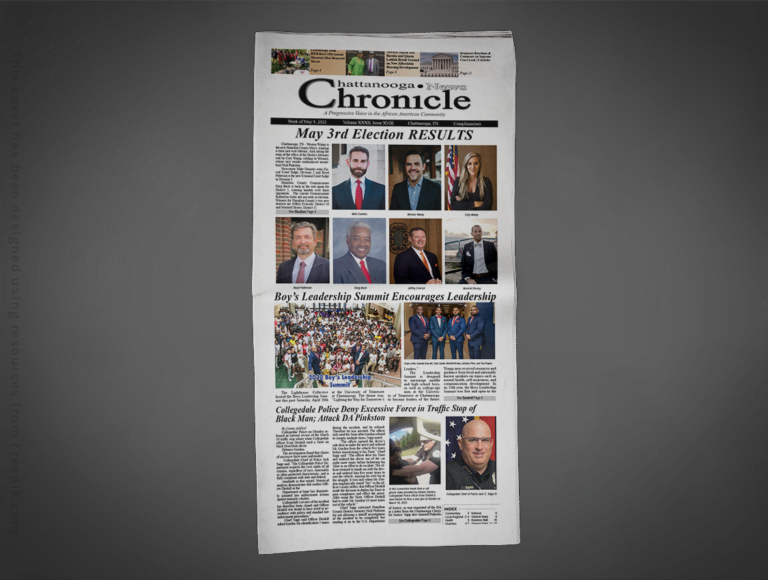
John Edwards III, founder and president of the Chattanooga News Chronicle, said the Urban League’s new building will breathe life into the East Martin Luther King district. Once called “The Big 9” because it was formerly Ninth Street, Martin Luther King Boulevard for many years was the soul of Black entertainment in Chattanooga.

“She (Johnson) talked about reframing, so that implies that there was a frame before,” Edwards said. “And that frame was a spectacular frame. Martin Luther King was once an amazing street and place. That’s why projects like this are so important. We get to reframe, and we get to learn from our mistakes. And we can keep the legacy of those who came before us by building on that legacy.”

The Chattanooga News Chronicle has occupied an office at 611 E. Martin Luther King Blvd., since its founding in 1999

The Urban League of Greater Chattanooga is an affiliate of the National Urban League, the nation’s oldest and largest community-based movement devoted to empowering African Americans and other underserved individuals to enter the economic and social mainstream. Since 1982, the Chattanooga affiliate has served many thousands of economically disadvantaged persons, individuals representing communities of color and minority-owned businesses.

For more information, visit www.ulchatt.net.

DA Pinkston labels Silverdale ‘One of the Most Dangerous Places in the County;’ Chattanooga Clergy for Justice Seeks DOJ Investigation

0

By Camm Ashford

Chattanooga Clergy for Justice held a virtual news conference Monday to demand an investigation by the Department of Justice (DOJ) into violent crimes being committed at the Silverdale Detention Center.

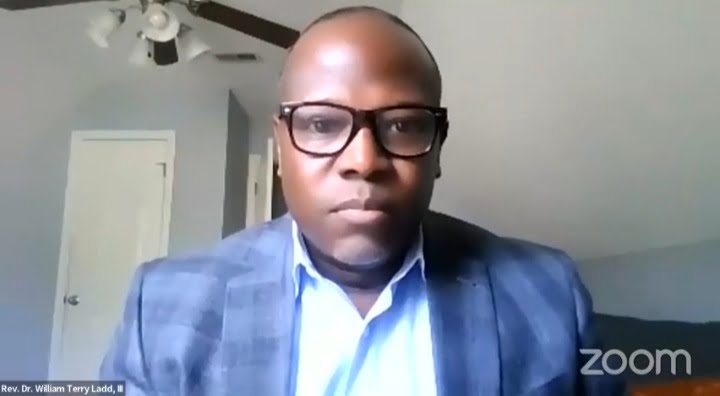
“In June of 2021, we submitted a formal request to the U.S. Department of Justice to investigate a pattern and practice of misconduct by the Hamilton County Sheriff’s Office,” the Rev. Dr. William Terry Ladd III read from a letter delivered to the Hamilton County District Attorney’s Office on Monday. “Included in the report was a request that the U.S. Department of Justice look into conditions in the Silverdale Detention Center, which is under the control of the HCSO, that have led to deaths and reports of severe neglect, abuse, and excessive use of force.”

Since the first of the year, there have been three rapes inside Silverdale, as well as a stabbing, an alleged severe beating, and reports of multiple drug overdoses. More than a year after the Hamilton County Sheriff’s Office took over the privately-run detention center, violent attacks within the facility are continuing unabated, lawsuits filed last week allege.

Three former detainees at Silverdale filed suit April 18 in U.S. District Court against Hamilton County Sheriff Jim Hammond and county government.

In each case, the detainees contend the sheriff has done little or nothing to address the violence that preceded the county’s takeover of the detention facility in December 2020, and blame correctional officers there for putting them in harm’s way.

Christopher Lamond Bell says in his civil rights lawsuit that he was stabbed 17 times in April 2021, after jailers forced him into a cell where a throng of masked inmates were waiting to attack him as part of an initiation for new detainees.

Luster Dewayne Deloney says in a separate lawsuit he, too, was forced by jailers to go inside the same cell on the night of Bell’s attack. Like Bell, Deloney says inmates wearing towels around their faces to mask their identities attacked him within minutes of his placement there. He was stabbed six times, the lawsuit states.

A third Silverdale detainee, Michael Brinkley, alleges in his lawsuit that jailers in September 2021 moved him–without cause or warning–into a new cell block and left his cell door open.

“Brinkley pounded on his door to try to get the attention of three correctional officers, but they carried on about their business. Then, five inmates entered Brinkley’s cell and attacked Brinkley, stabbing him nine times–including once in the face.”

Bell and Brinkley required emergency treatment at a nearby hospital after their respective attacks. Deloney’s lawsuit does not make clear whether he received emergency medical care.

The Chattanooga Clergy for Justice letter also asked for Pinkston’s assistance in requesting that the DOJ investigate what the organization believes is an excessive use of force when black DoorDash driver Delane Gordon was tased by a white Collegedale police officer during a traffic stop and arrest on March 10. Citing 19 instances of abuse since 2008 by HCSO deputies, the Clergy said it doesn’t trust HCSO to complete an unbiased investigation in the case.

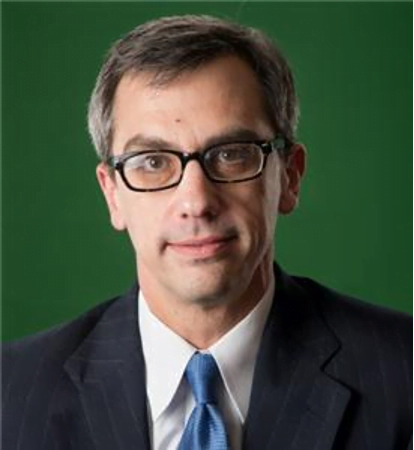
DA Pinkston

Pinkston issued a statement Monday to address the concerns expressed by the Chattanooga Clergy for Justice.

“Right now, it appears that Silverdale is one of the most dangerous places to be in our county, and that is unacceptable” he said. “Individuals at Silverdale have the right to be protected and that right should be taken very seriously by every member of our justice system. Therefore, I will formally request that the DOJ investigate the conditions and operation of Silverdale.”

Pinkston added that he is withdrawing his request for the sheriff’s office to investigate the traffic stop in Collegedale and instead ask the DOJ to investigate that incident as well. His request will be sent to the DOJ’s Civil Rights Division in Washington, D.C., as well as to the acting United States Attorney for the Eastern District of Tennessee.  

“We support police officers, we just don’t  support police officers who violate citizen civil rights and use excessive force on citizens. We don’t support that at all,” the Rev. Dr. William Terry Ladd III said during a virtual news conference on Monday.

This all comes in the middle of a primary election for district attorney where Pinkston faces challengers in a close race, and where police support is a key issue.

Rep. Yusuf Hakeem Responsible for Passing Black History Bill & Other Landmark Legislation During 112th General Assembly

0

By Camm Ashford 

State Rep.Yusuf Hakeem, who represents District 28, is responsible for a number of landmark bills passed during the 112th General Assembly. 

Some of the bills include:

HB 2106: Black History Bill requires, rather than recommends, that the course of instruction for students in grades five through eight include curricula designed to educate students in black history and black culture.

HB 1459: Allows the magistrate to order, as a condition of release or bail, a person arrested for the offense of aggravated domestic assault to remain in police custody up to 24 hours when necessary.

HB 0720: Authorizes a nonprofit organization to conduct a bingo game as its annual event for purposes of the Tennessee Nonprofit Gaming Law.

HB 0722: Prohibits a county election commissioner from voting on issues that directly affect the commissioner’s immediate family member who is a candidate for office; requires a county election commissioner to be recused of official duties 30 days prior to an election if an immediate family member of the commissioner is a candidate for office in that county.

HB 0723: Requires the department to publish the guidelines for the best practices for identifying and reporting signs of child abuse, child sexual abuse, and human trafficking in which the victim is a child on the department’s website.

HB 2565 (pending approval): Requires the department to develop a plan for providing remote use of the special supplemental food program for women, infants, and children at a substantially similar level as has been available during calendar years 2020 and 2021 and deliver the plan to the health and welfare committee of the senate and the health committee of the house of representatives by December 15, 2022.

Rep. Hakeem served on the Chattanooga City Council for District 9 from 1990 to 2006, and again from 2013 to 2017. During this time, he founded the Chattanooga Youth Council, now called the Mayor’s Youth Council. 

In 2018, Hakeem announced his candidacy for the Tennessee House of Representatives District 28. He was endorsed by the retiring state representative JoAnne Favors, who said in a public release, “Yusuf Hakeem is the right person for the job… He has years of experience in public service, and would not face a learning curve as a first time elected official. He is prepared for the work now.” 

Rep. Hakeem won the contested Democratic primary on August 2, 2018, and later was elected to the office on November 6, 2018, defeating Lemon Williams, Jr.

Boy Born With Autism Now Named One of the Smartest In the World

0

Joshua Beckford has never been a typical child. At two years old, he quickly mastered reading fluently using phonics and was speaking Japanese by the age of three. At the age of six, he became the youngest person in the world to study Philosophy and History at the prestigious University of Oxford in England, gaining a distinction in both subjects.

His father, Knox Daniel, said he first noticed his son was clever when he was sitting on his lap while on the computer. “I started telling him what the letters on the keyboard were and I realized that he was remembering and could understand.”

He could read, write and understand the alphabet and point to different colors on a chart when he was just ten months old.

In 2011, his father wanted to challenge his son, so he wrote to the university to see if he could participate in a philosophy course for bright children between the age of eight and thirteen. They agreed, and Joshua was the youngest student ever accepted. He even passed with distinction.

Named one of the smartest kids in the world, Joshua was far too academically advanced to attend third grade with his peers and was homeschooled instead.

So, what does a super scholar study? Joshua excels at science, math, history, foreign languages and history. He dreams of being a neurosurgeon and is well on his way by practicing gall bladder removals and appendectomy procedures.

“Since the age of four, I was on my dad’s laptop and it had a body simulator where I would pull out organs. I want to save the earth. I want to change the world and change people’s ideas to doing the right things about earth.”

He also plans to be a neurosurgeon and is currently writing a children’s book about Egypt.

But get this…he’s done all of this even with being diagnosed with autism.

When he isn’t studying and achieving more than many adults, Joshua also serves as the face of the National Autistic Society’s Black and Minority (BME) campaign. Diagnosed with high functioning autism, Joshua helps to spread the campaign’s mission of highlighting obstacles Blacks face when trying to obtain access to necessary autism support and services.

According to a 2011 study, Autism and the African American Community, “evidence demonstrates that although rates of diagnosis for autism occur at the same rates in all racial groups, diagnosis in African American children occurs later than in White children. As a result, African American children may require longer and more intensive intervention.”

In between studying to be the youngest neurosurgeon, Joshua enjoys fund-raising for three Autism Charities, one in the U.K and two in Africa, and campaigns to save the environment.

Between medical school and the years associated with that, Joshua should reach his goal of being named a Doctor within the next two years.

Young Joshua is definitely living proof that no obstacle is too great to keep you from achieving greatness. (BlackDoctor.org by Terry Shaw)