Friday, October 16, 2026
Advertisement
Home Blog Page 108

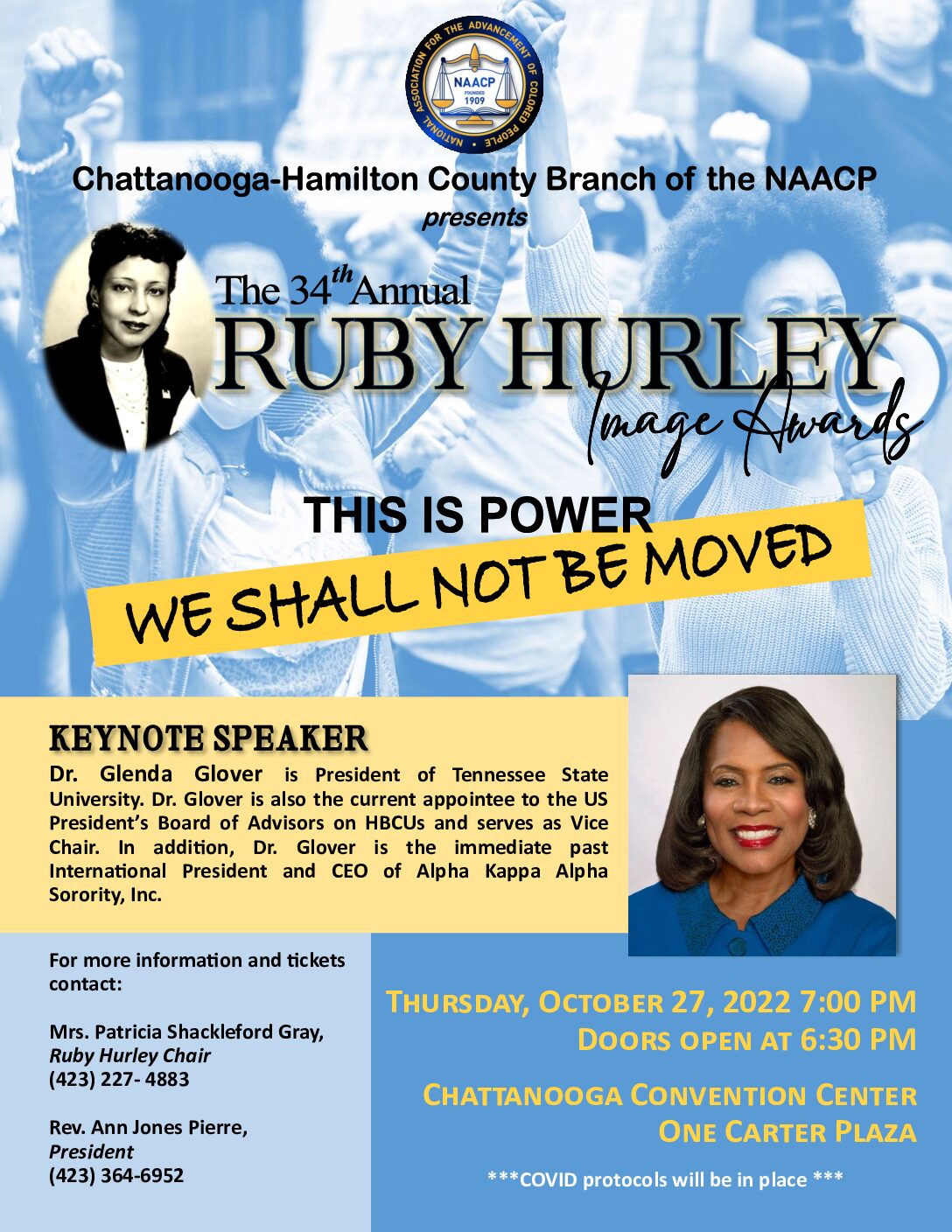
RUBY HURLEY IMAGE AWARDS to be held on October 27, 2022

0

This year’s 34th Annual RUBY HURLEY Image Awards will be held in person!!…and the excitement is growing!

The Chattanooga Hamilton County Branch of the NAACP proudly presents the 34th Annual Ruby Hurley Image Awards on Thursday, October 27th at 7:00pm at the Chattanooga Convention Center. The theme: THIS IS POWER: WE SHALL NOT BE MOVED!

The 2022 keynote speaker is the illustrious “Dr. Glenda Glover”, president of Tennessee State University. Dr. Glover is also the current appointee to the U.S. President’s Board of Advisors on HBCU’s and serves as Vice Chair. In addition, Dr. Glover is the immediate past International President and CEO of Alpha Kappa Alpha Sorority, Inc.

For tickets and information, contact Mrs. Patricia Shackleford Gray, Ruby Hurley Chair at (423) 227- 4883; or Rev. Ann Jones Pierre, NAACP President at (423) 364-6952.

COVID Protocols will be in place

Black Dermatologist Develops New Formula For Neuropathic Skin Discomfort and Burn Wounds 

0

Moore Relief Dermaceuticals contain natural cosmetic ingredients that do not require OTC or prescription regulation. The products have been launched and are available for purchase on MooreRelief.com

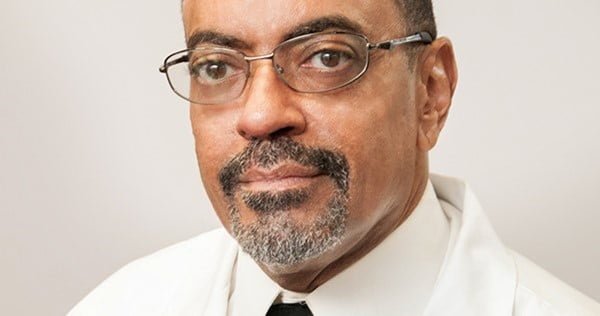
Nationwide — Dr. Milton D. Moore, a leading dermatologist who is the founder & CEO of Moore Unique Skin Care and Moore Unique Dermatology, has announced two new innovative products under the brand name Moore Relief Dermaceuticals: Moore Relief Pain Discomfort Lotion and Moore Relief Skin Revitalizing & Burn Lotion. 

Initially formulated as moisturizing treatments for eczema and other conditions that cause skin irritation, Moore Relief Pain Discomfort Lotion and Moore Relief Skin Revitalizing & Burn Lotion are scientifically proven, fast-acting, effective therapies that help relieve neuropathic skin discomfort and help heal burn wounds. 

The findings of Dr. Moore’s clinical research in the development of these products were published in a recent article in the Journal of Dermatology Research (peer-reviewed). Dr. Jack Alpert a leading Houston Neurologist has used the pain lotion in his practice and found the relief he obtained from the pain lotion was the far best result he ever obtained in treating his patients in all his 25 years of practice by a large margin. 

Dr. Moore has seen an increase in patients who were depending upon opioids to help relieve their pain. Some of those patients chose to forego opioids and switch to the topical Moore Relief Pain Discomfort lotion which has none of the side effects of opioid medications. They even reported an even greater relief of pain in less than 5 minutes, and say that the relief lasted for a longer period. 

In clinical research tests, Dr. Moore’s patients applied the Moore Relief Pain Discomfort Lotion topically to areas in which they experienced recurring pain from carpal tunnel syndrome, sciatica, back, knee, fibromyalgia, and diabetic neuropathy. Most patients reported apparent relief of 75 to 100 percent, and the relief lasted from 7 to 24 hours with one application. 

In other clinical studies, the Moore Relief Revitalizing Burn Repair Lotion was applied topically to the burn scars of Dr. Moore’s patients recovering from first and second-degree burns. The lotion was proven to help accelerate healing by 4 times from several months down to as little as 14 days with the return of normal skin color while preventing the appearance of scars and providing immediate cooling and pain relief.  Both patent-pending Moore Relief Dermaceuticals products are formulated with moisturizing and anti-inflammatory agents such as aloe vera, extracts of algae, argan oil as well as other natural ingredients. These products use Dr. Moore’s patented transdermal delivery system, which enables the active ingredients to be absorbed by the skin quickly. Each ingredient provides a unique contribution to the effectiveness of the products by cooling, moisturizing, and repairing damaged skin areas.

5 Foods That Fight Low Blood Circulation

0

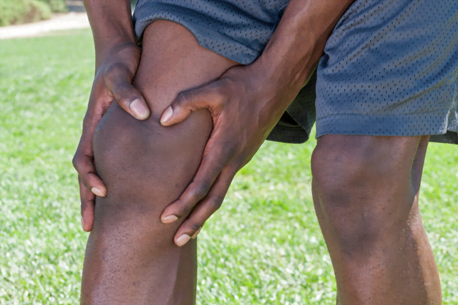
Q: What can happen if I have low blood circulation in my muscles? – A.C.

A: Depending on the arteries that are affected and where the blockage is, different muscle groups can be affected:

  • Buttock and hip
  • Thigh
  • Calf (most common)
  • Foot (less common)

Some people describe burning or numbness. There also can be severe blockages with no pain at all.  Often this is because the body grows blood vessels that “bypass” the blockages, called collateral circulation.

Other signs and symptoms of peripheral artery disease include:

  • Wounds that heal poorly
  • Legs are cooler than the arms
  • Shiny skin over the legs
  • Loss of hair on the legs
  • Decreased pulses in the feet

Atherosclerosis causes peripheral artery disease, coronary artery disease and strokes through the same general process. For this reason, the risk factors for peripheral artery disease are the same as for heart attacks and strokes:

  • Diabetes
  • Abnormal cholesterol
  • Cigarette smoking
  • High blood pressure

Diabetes seems to be particularly important in the development of peripheral artery disease.  People with diabetes have worse peripheral artery disease, and tend to improve less with treatment.

Some foods to help increase blood flow are: 

    ORANGES  low blood circulation

Oranges and other citrus fruits with high vitamin C are natural blood thinners and are said to strengthen capillary walls and prevent plaque build-up which leads to poor circulation.

Dark Chocolate    

Cocoa contains flavonoids which are naturally found in plants and fruits and have been well-linked to improving blood circulation.

A study published in the Circulation Journal showed that dark chocolate rich in natural flavonoids improved blood circulation when compared with white chocolate with no flavonoids.

Cayenne Pepper

Cayenne is available as a fresh pepper or dried spice and has been associated with increasing metabolic rate and strengthening arteries and blood vessels. Cayenne pepper is best eaten raw in salads or juiced.

Sunflower seeds

Sunflower seeds are rich in vitamin E which is shown to help keep blood clots from forming. They are great at helping improve circulation. Likewise so are foods such as olives, nuts and pumpkin seeds,

Root Ginger

Ginger is known for helping nausea and digestion problems as well as increasing blood circulation. Ginger can be eaten raw or added to foods or why not try ginger tea?  (Source: BlackDoctor.org by Dr. Renee)

Body piercings may be artistic, but they bring risks of infection, allergic reactions, scarring and urine leakage

0

Vijaya Daniel

Dermatology Resident, UMass Chan Medical School

Throughout history, body piercing has been a symbol of beauty, sexuality, ritual initiation and rites of passage.

Mayan royalty had their tongues and genitals pierced; during the Victorian era, many women pierced their nipples. After World War II, tongue, nipple and genital piercings occurred in Germany. Today, body piercing remains common in tribal societies throughout Africa, Asia and South America.

In the U.S., piercing became mainstream during the 1990s and is perhaps more popular than ever.

I am a physician specializing in dermatology. My colleagues and I have seen the medical complications that body piercing can cause. While people shouldn’t necessarily avoid piercings, they should be aware of the risks and best practices. It’s also critical to distinguish relatively safe ear piercings from more problematic and potentially dangerous piercings.

Infections, scarring and nerve damage

Medical problems arising from body piercings happen a lot; the incidence of complications could be as high as one out of every five individuals.

Some problems are relatively minor: jewelry allergy, bleeding, scarring and the formation of keloids, which are thick overgrowths of scar tissue. Nerve damage complications are also possible – and sometimes they affect internal organs or lead to sepsis, a potentially fatal illness that requires immediate medical attention.

Other complications, less common, include brain abscess and endocarditis, a heart inflammation that can be life-threatening. It is unclear how these complications occur, but one hypothesis is that they are caused by infections from needles, perhaps from contaminated equipment used during the piercing.

Body piercing is also associated with transmission of hepatitis B and hepatitis C. The risk may be from the piercing procedure. However, it’s also possible that piercings are not the problem; instead, the cause is other high-risk behaviors – drug use, gang affiliations and school truancy, for example – that can be associated with piercings.

It is not uncommon for me to see skin inflammations caused by contact with jewelry metal. The prevalence of the jewelry allergy increases with the increase in the number of piercings a person has.

Up to 30% of people with body piercings are allergic to nickel, which is a common metal found in jewelry. If you have a nickel allergy, you can still wear jewelry, but just avoid nickel and wear platinum, stainless steel or gold instead. But don’t wear white gold – it may contain nickel.

A warning on tongue and genital piercings

Oral piercings – which include piercings of the upper or lower lip and tongue – can be associated with gingivitis, teeth chips, cracks and fractures, and gum recession. These are caused by continuous traumatization of teeth and gums when the individual plays with the piercing.

Those with tongue piercings often experience temporary tongue swelling, pain, difficulty eating and excessive salivation. When the tongue or penis are pierced, a small amount of bleeding is expected, but severe bleeding sometimes can occur.

Indeed, many men with genital piercings have reported complications. The Prince Albert piercing – occurring at the end of the penis – is associated with a narrowing of the opening for urine; sometimes, new tracts are created that leak semen and urine. Rarely, it is associated with squamous cell carcinoma of the penis.

Although piercings are generally safe when proper hygiene is followed, it’s critical to know the risks. Make sure you know the safety precautions and insist that they are used. Piercing salons may vary in terms of cleanliness and the experience of the practitioner. If you have questions about the establishment performing the piercing, you might try checking with your medical provider. And a special word of warning for children who are undergoing a piercing: An experienced technician, nurse or doctor should perform the procedure. And because proper care is crucial to decrease the chances of infection, piercings should occur only once the child is mature enough to care for the area. (The CONVERSATION)

Black women endure legacy of racism in homeownership and making costly repairs

0

By Robin Bartram

Assistant Professor of Sociology, Tulane University

Yolanda, 61, owns a home in the predominantly Black 7th Ward neighborhood in New Orleans.

To fix her leaking roof in 2020, she had to borrow money.

“It’s one of them credit card loans,” she said. “Like interest of 30% and all that, you know. I was kind of backed up against the wall, so I just went on and made the loan, a high-interest loan.”

As a sociologist who has spent the past 10 years studying housing conditions in the U.S., I led a research team that conducted interviews with homeowners who are struggling with basic maintenance such as rotting wood siding and floors, mold, crumbling brickwork, outdated plumbing and leaking ceilings. Our first paper from this project is currently under peer review.

Like Yolanda, our interviewees – whom we gave pseudonyms to protect their privacy – were almost all Black women over the age of 60 who lived in old buildings in neighborhoods that have borne the brunt of discrimination – such as redlining and inequitable land use decisions – and disinvestment.

Once a lively district of Black businesses and homes, the 7th Ward has become an area of high poverty since the I-10 expressway was built during the 1960s directly through its heart.

Yolanda had already been living there for a decade before the highway was built.

Though brightly painted, Yolanda’s home is separated from I-10 only by an empty lot, and the constant noise and higher rates of pollution make it hard to imagine Yolanda would be able to sell her home for a profit or use its declining value as equity.

Did Yolanda take out a high-interest loan for nothing?

Was she throwing good money after bad?

These are not easy questions to answer.

Like other Black female homeowners whom we interviewed, Yolanda had to choose between debt and disrepair.

As she explained, she was “backed up against a wall.”

The racist and sexist history of disrepair

According to a 2022 analysis of federal census data by Harvard’s Joint Center for Housing Studies, nearly a third of homeowners who earn less than US$32,000 – about 4.8 million people – spent nothing on maintenance or improvements.

I have noticed worrying trends in the circumstances of those who live in housing in disrepair.

In my book, “Stacked Decks,” I explore the connections between urban housing, race, gender and income inequality.

Since at least the 1970s, real estate agents and lenders have exploited the precarious financial positions of Black women and sold them mortgages on homes in poor condition. Today – 50 years later – these homes pose even greater health and safety risks to their owners than when they first bought them.

Studies show that after less than two years of ownership, disrepair makes maintaining a livable home difficult for low-income homeowners.

Unaddressed repairs such as leaky roofs or broken pipes frequently result in code violations and court cases, which prompt liens, foreclosures and the possibility of homelessness.

The situation is worse for Black women, who have much less wealth, on average, than their white or male counterparts. Without money to pay for repairs, female homeowners face incurring more debt if they make repairs.

Climate change means that these problems are getting worse as a result of increased rainfall and extreme temperatures.

Doris, a homeowner in Chicago, told us in 2021 about her old and leaking roof and the flooding in her basement. She explained that the flooding was partially due to the overflowing of nearby city-owned drainage pipes.

“Every time it rains, the water comes in,” she said. “By the sewer not being clean … so much water came in my basement that my washer and dryer was floating up on the water.” An insurance claim covered some of the costs of this repair for Doris, and the city is experimenting with new ways to tackle floodwater, but water still gets in when it rains hard.

Racism and sexism in the housing industry

The racism pervading the housing industry is now well known. The real estate industry has, at different points in history, excluded Black Americans from homeownership, included them through predatory loans and deals and reinforced racial segregation by denying loans to Black and other minority residents. Known as redlining, the practice became a self-fulfilling prophecy of disinvestment and declining values.

But real estate agents and mortgage brokers were sexist as well.

These real estate agents and mortgage brokers knew Black women had limited options and assumed they would be likely to default on their mortgages.

Black women were consistently sold homes that needed repairs.

A lot can happen to a house in 50 years. Buildings naturally deteriorate over time, because of the combination of aging construction materials and weather. At some point, all homes need repairs and preventive maintenance.

“We don’t go out of the back door at all,” Kimberly said. “We have not used that in years. Four years now. Four years we have not used the back porch at all.”

Disrepair and environmental injustice

Disrepair is an issue of environmental injustice. The government has a responsibility to help with repairs because of its role in the housing discrimination that has created such racial disparities in housing conditions.

But, like disaster relief, assistance to homeowners is uneven and hard to obtain.

U.S. cities often use lotteries to distribute funds for repairs, barely scratching the surface of the number of homes in need of repair.

Although all homes need repair work over time, disrepair disproportionately affects people with the fewest resources, because maintenance is expensive. Disrepair also causes health and safety issues, as do other environmental injustices, such as the placement of highways and location of polluting factories.

Disrepair can also force people to leave their homes because they cannot afford repairs.

But making repairs can exacerbate debt.

What all this means is that owning a home, or even paying off a mortgage, does not guarantee that homes remain affordable, an asset or a safe shelter. Recognizing disrepair as environmental racism could be one step in ensuring homes are all these things. (The CONVERSATION)

Meet the Kid That Made $250K From Instagram by the Age of 20 

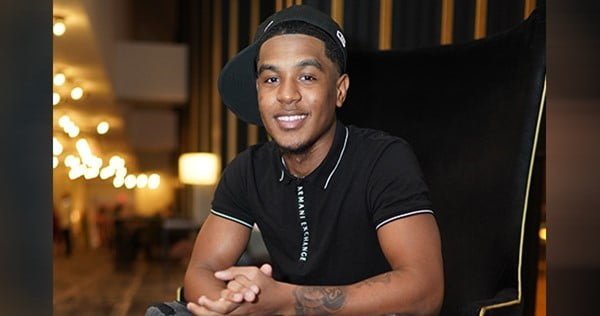
Nationwide — Meet Taijaun Reshard, a 21-year-old entrepreneur from Atlanta, Georgia who has made a staggering $250,000 by the age of 20 all through one app… Instagram! 

Taijaun started making money from Instagram when he was 17 years old by utilizing something called “Theme pages”, in essence, he would get his product posted on pages with millions of followers and practically go viral overnight! 

But, it wasn’t always like this – Taijaun said, “Everyone always sees the success, but nobody ever knows the hard work that was put in. I’ve been creating & running my own businesses since I was 15 years old as a freshman in high school. When I got my first job at Kroger – every penny that I got, I would re-invest into my business. 5 failed businesses later, here I am.” His mother, Yadilka Reyes, saw all his determination and supported his entrepreneurial mindset all the way. 

Fast forward, Taijaun now runs the #1 Instagram Training Program (Instagram Hacks University) in the world, with 1 goal in mind – to help 100 people make their first $100,000 using JUST Instagram & help them live the life of their dreams just as he has!  Every Sunday, he hosts LIVE Free Workshops teaching people how they can turn their Instagram into a cash-flowing machine.

At 23 Years Old, She Became the Youngest Person in Africa to Earn a PhD 

Nationwide — Musawenkosi Donia Saurombe, a Zimbabwe native, made history in 2017 when she became the youngest person on the African continent to earn a PhD at 23 years old. Recently, she broke the glass ceiling again when she became an Associate Professor at the University of Johannesburg. 

Musawenkosi, who was raised in Botswana, started taking her Bachelor of Commerce degree from North-West University at the age of 16 and graduated with distinction at the age of 19. She went on to receive her honour’s and master’s degrees from NWU at the ages of 20 and 21, respectively. 

Musawenkosi was just 23 years old in 2017 when she obtained her Doctor of Philosophy in Industrial and Organisational Psychology also from NWU. 

Since then, she started working in the academic field. She worked as a Postdoctoral Research Fellow at the North-West University from 2017 before she got hired as a Senior Lecturer at the University of the Free State Bloemfontein in 2019. 

In 2021, Musawenkosi started working at the University of Johannesburg as a Senior Lecturer. Most recently, Musawenkosi, who is now 29 years old, has been promoted to associate professor at the university.  In a LinkedIn post, her friend Tutu Kgobane celebrated her achievement and wrote, “Congratulations, my sister. The youngest PhD graduate in Africa. She has now been appointed as a professor. Prof Musa! So proud of her.” 

Formerly Incarcerated Man, Wife Go Back to Prison on Purpose to Inspire Other Inmates 

0

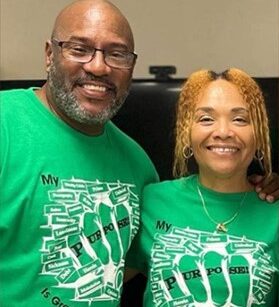
Since 2013, more than 1,000 inmates have graduated from a Vineland, New Jersey-based rehabilitation program created by Michael “Mickey” Williams, and his wife, Lernell. Michael himself spent 22 years of his life going back and forth to prison and drug rehabilitation centers.

This was a graduation from one failed attempt at life hopefully into one of success. “We gave them wrist bracelets that read, ‘My Purpose is Greater than my struggles’ and ‘Anywhere but Backward,’” said Williams, who spent 22 years of his life going back and forth to prison and drug rehabilitation centers due to being addicted to Heroin and crack cocaine and living a criminal lifestyle. 

The words “Anywhere but Backward” are the program’s mantra and the exclamation point in Williams’ speech he gives at graduation. “You are somebody! You are unique! You are special! You possess the heart of a champion! But you must be willing to go anywhere … but backward!” he screams. And the crowd goes wild. 

Some told Williams he helped them mature. Some said he made them not want to come back to jail. “They all gave testimonies,” said the author of ten books on his climb out of the drug abyss. “And they jotted down the things that stuck to them.: The 90-minute classes are held once a week. 

“We aim to try and take the brokenness that people sometimes feel or have inside due to being in incarceration or rehabilitation and use it to push them into something greater,” stressed Williams. “I tell them that my focus is to get them motivated. But motivation is only the start. It’s the dedication that keeps you going.” Dedication is an “inside job.” 

This latest group to a man said they wanted to get out of jail and go teach others and try and help them, said Williams. “It shocked me,” he said. “They said, ‘I want to do what you’re doing. I want to come back to prison and help others.’ To do that, they must live a certain lifestyle to get cleared to do that.” Williams can speak from personal experience because he is now a motivational speaker that teaches Minor Adjustments all over the world. 

Drugs ruled Williams’ life for 22 years. After building a spiritual foundation, getting clean, and making some minor adjustments for himself, he now offers hope for others. He’s a 10-time published author, a Certified Drug and Alcohol Counselor, and a Certified Recovery Support Specialist. 

“They believe that just because they committed a crime, they can no longer be successful,” Williams said. “They believe that just because they have a criminal history, they can no longer live a productive lifestyle. They believe that because they had an addiction they cannot succeed. What we need to do is use people like me who have lived those same lifestyles to show those individuals that they can have hope.  “They need to know that their purpose is greater than their struggles, they need to know that minor adjustments must be made, and more importantly they must be willing to go anywhere but backward!”