Monday, October 12, 2026
Advertisement
Home Blog Page 25

Trump Orders the Removal of Slavery Images and Exhibits from All U.S. National Parks

0

Nationwide — President Trump has ordered the removal of various images and exhibits about slavery from U.S. national parks, including the famous Civil War photo “The Scourged Back.” The move follows his March 27 executive order targeting “divisive” interpretations of American history.

Sources familiar with the matter said the order instructs the Interior Department to remove displays that reflect what Trump calls “corrosive ideology” critical of historic American figures, according to People.

One of the exhibits under review is “The Scourged Back,” photographed in 1863. The image shows Gordon, an enslaved man who escaped to freedom, with deep scars across his back from severe whippings. Historians consider it one of the most famous portraits documenting slavery during the Civil War era.

The White House said no final decision has been made and confirmed the exhibits remain under review. The National Park Service explained that materials highlighting only negative aspects of U.S. history could “distort understanding” instead of broadening it.

Officials said Trump’s directive is being applied not only to slavery, but also affects exhibits on racism, sexism, gay rights, and the treatment of Indigenous people. Critics, including educators, warn that the policy gives the federal government broader power to control how history is presented.

The move comes weeks after Trump accused the Smithsonian of being “out of control” and overly focused on slavery. In an August 19 Truth Social post, he called the museums “woke” and pledged to review their content as well.

Trump’s order also directs Vice President J.D. Vance, in his role as a member of the Smithsonian Board of Regents, to oversee the removal of what Trump calls “race-centered ideology” from Smithsonian museums, research centers, and the National Zoo.

Chattanooga Rent Report

The Chattanooga Rent Report has been updated with new data through September 2025.

The National Outlook:   Rents fell 0.4% across the nation in September, consistent with typical seasonal patterns. Rental demand is trending down as we approach the winter, and amid another year of elevated housing production, prices are dropping accordingly. This pattern should persist for several more months, and will result in the third straight year of soft market fundamentals for the rental housing sector.

The Local Outlook:  September rent growth was negative in over 80% of the nation’s large metropolitan areas. In your market specifically:

•             Rents in Chattanooga fell 0.4% in September, compared to a 0.4% decrease nationwide.

•             Year-over-year rent growth in Chattanooga now stands at -1.1%, up from -1.6% one year ago.

•             Today the median rent in Chattanooga is $1,123 for a one-bedroom unit and $1,190 for a two-bedroom unit. And the citywide apartment vacancy rate stands at 7.9%, up 2 percentage points from this time last year.

For more national and local insights, check out the latest update to our Chattanooga Rent Report.

Memphis leaders roll out “Free the 901” campaign to oppose National Guard deployment

0

Memphis, TN — Recently community, faith, labor, youth, culture and business leaders launched Free the 901, a campaign to prepare, protect and uplift Memphis residents amid escalating authoritarian attacks — including the proposed deployment of the National Guard to patrol neighborhoods.

Rooted in the belief that real safety comes from investing in people, not punishment, Free the 901 held a press conference at 1 p.m., followed by the “No Cooperation with Occupation” march at 1:30 p.m. Both events began at the park across from Juvenile Court (intersection of Neely & Adams).

This campaign was born out of urgency. On Sept. 12, Donald Trump and Gov. Bill Lee announced plans to send the National Guard and a multi-agency task force into Memphis, with more concrete plans revealed at today’s press conference with Lee in Memphis. Free the 901 rejects this overreach and will mobilize residents through trainings, orientations and rapid-response organizing, while advancing policies and narratives that put care over control, people over policing and safety over surveillance. “Memphis is the incubator—what’s tested here becomes the blackprint for the rest of the country,” said Tikeila Rucker, one of the visionaries of Free the 901.

Instead of pouring hundreds of millions into militarization, Free the 901 calls on leaders and neighbors to double down on what works: investing in people and communities. Safety comes from strong schools, affordable housing, living-wage jobs and mental health resources — not soldiers on the streets.

Supporters can text “Free901” to 25225 to join the campaign, organizers said. Partner organizations include ACLU-TN, American Muslim Advisory Council, Black Voters Matter, Decarcerate Memphis, The Equity Alliance, Indivisible Memphis, Justice & Safety Alliance, Memphis Activism Calendar, Memphis Artists for Change, Memphis for All, Memphis Tenants Union, Memphis Voices for Palestine, MICAH, Official Black Lives Matter, Stand for Children Tennessee, Tennessee for All, TIRRC (Tennessee Immigrants & Refugee Rights Coalition) and Vecindarios 901. (TN TRIBUNE)

The First Americans Were Black Indians of African Descent

In his book They Came Before Columbus, historian Ivan Van Sertima examines navigation and shipbuilding; cultural analogies between Native Americans and Africans; the transportation of plants, animals, and textiles between the continents; and the diaries, journals, and oral accounts of the explorers themselves to support the claim of an African presence in the New World centuries before Christopher Columbus arrived.

Several other historical accounts support this claim. For example, the launching of the great ships of Mali in 1310 (two hundred master boats and two hundred supply boats), the sea expedition of the Mandingo king in 1311, and many others. The unmistakable face and handprint of black Africans in comprehensive case for a radical rewrite of orthodox history. He says that by examining the scientific and geological evidence, it can easily be determined that people of African descent were in America before the Vikings or Columbus.

And this includes both North America and South America. In fact, there is a picture that can be seen today at the Natural Museum of London that was taken by the crew of The HMS Challenger Expedition, 1872-1876 A.D., at the most Southern region of South America, at a place known today as Tierra del Fuego. In this picture is a colorful display of African explorers.

Déjà vu allover again?

0

“These are the times that try men’s souls,” wrote Thomas Paine in his 1776 pamphlet, The American Crisis. Now I don’t think that there’s a better way to couple that quote with one better than former New York Yankee’s Yogi Berra’s famous, “Deja vu all over again,” especially if you’re an armchair philosopher with an opinion about the messiness of current times, a connoisseur of famous quotes, a history buff, or all three. But hold that for now, okay?

You see, I count my blessings with the knowledge that I have access to two history buffs, avid readers and deep thinkers on matters of politics and social issues facing our world and nation these days. I count on them when I need them the most, particularly when I need a “you got to be kidding” sanity check on my what “lying eyes” appear to be seeing or what I’m hearing from my “lying ears.” 

Now the two individuals I’m talking about here are Andrew (“Butch”) and Bernard (“Bro Bernard”). Oh, yes, I should also mention that they are both proudly liberal and graduates of Knoxville College, a phenomenal Historically Black College. (High school seniors, guidance counselors and workforce recruiters… are you listening?)

“Hey Butch,” I started my conversation with, “can you help me make sense as to why the assassination of Charlie Kirk, a young, white ultra-conservative MAGA advocate, whose life was snuffed out by another young, white MAGA advocate, whose name I’d rather not dignify in this space, led as some believe to bomb threats at several HBCU institutions? I’m lost.”

“It’s called gaslighting, distracting and scapegoating, Terry,” he explained. “Our history is replete with shifting the blame to innocent Black folks when the crime committed doesn’t fit a preferred narrative. The knee jerk response by our president who, without a shard of evidence, immediately blamed left wing radicals for Kirk’s assassination fits the pattern. The sad thing is that he escaped accountability for telling such a lie.”

When we ended our phone call, Butch’s explanation conjured up memories of the 1989 case in Boston when Charles Stuart murdered his pregnant wife and blamed the killing on a Black man, and the 1994 case in South Carolina where Susan Smith drowned her two sons and blamed it on a Black man. In the aftermath of each false accusation, like herds of cattle being rounded up to be taken to an auction, large numbers of “suspicious looking” Black men were rounded up and questioned by authorities before the truth emerged.

I then posed the Kirk assassination question to Bernard who took my call in an airport in Indianapolis before boarding a flight back to Atlanta.

Said Bernard, “I believe we should look at where we are today as just another cycle that our country goes through. For our history the cycle started in the 1920s under President Woodrow Wilson with his public backing of the racist movie “Birth of a nation” which unlashed a reign of terror by the KKK. Today we’re witnessing a reign of terror aimed at immigrants who are rounded up by ICE, eliminating DEI, rewriting Black history and sending military forces into cities with African American mayors.” Bernard had one more thing to say before boarding his flight.

“If you study history, you’ll understand that America is always at war with itself and that cycles don’t tend to last too long. The hope here is that there’s not a lot of collateral damage in today’s cycle before it ends. Let’s resume this conversation next week.”

Now I want you to read and reflect on the following quote by a Pulitzer Prize winning author, then guess the year it was written:

“Already, the air in this nation is hot and mean, stifling with accusation and acrimony. Already, dialogue is being choked off like water gurgling to a halt in some rusty old faucet. Already, some of us are waiting, armed.”

Okay, when was it written? 1941? 1967? 1995? 2025? 

Well, while it’s true that many would argue that the quote describes our society today, and certainly it does, the correct answer is year 1995.  So, what were the circumstances 30 years ago that led to the description of the world by that author?

Well for starters, how about the assassination of Israeli Prime minister Yitzhak Rabin; the beginning of the dot.com era; the OJ. Simpson verdict; the Oklahoma City Bombing.

And if we fast forward to 2025, what are the headline-dominating circumstances that many argue would describe our predicament today? Well, how about Trump 2.0; tariffs galore; the Russia/Ukraine war; the Epstein files; Robert Kennedy, Jr.; ICE deportations; or more recently, the assassination of Charlie Kirk.

All this leaves us with this question; what have we learned and not learned during that 30-year period?

Okay, while you’re scratching your head in thought for answers, I’ll take the first plunge into the quagmire with some speculative answers of my own.

But first let’s get an undeniable truth out of the way. Most will agree that over the past 30 years as a nation we’ve sputtered along yet progressed in fostering a more representative and inclusive society. And that despite the inevitability of resistance and backlash that’s common in the evolution of cycles in history.

The election of Barack Obama as the nation’s first African American president comes to mind as a reminder of that progress. While some would argue that that was a seminal historical moment when African Americans had finally reached the pinnacle of achievement, others say that it unleashed a lot of pent-up ugliness and started a downturn in race relations in America.

And on the other side, still others would say wait, hold on, we’ve swung way too far, a sentiment that many say led to a swash-buckling Donald Trump descending the escalator in Trump Tower promising to ‘take our county back’ (to Lord knows where), thereby launching the MAGA movement.

Now history teaches us that each cycle ends with a reflection point, among them women’s suffrage in the early 20th century, the Civil Rights movement that started in 1954 and the Stonewall Rebellion for LGBTQ+ rights in 1969. After each reflection point came change, albeit gradual change and predictable backlash.

Mindboggling stuff, huh?

So, with today’s reflection point, we find ourselves in a vortex of uncontrolled  dehumanization, divisive rhetoric, finger-pointing, political violence, diminishing trust in institutions like the Supreme Court and the availability of firearms that, taken it all together, has locked us behind mental and physical closed doors, ensconced in our echo chambers of anger, fear and distrust and reduced to caricatures of who we really are.

So where do we go from here is the question with no obvious answer before us.

Well, to frame an answer, I’ll repeat the 2025 version of the quote and follow it with a series of questions for a thoughtful analysis, questions that could be used in retreats, teams, civic and religious groups for personal and professional development and action plans:

“Already, the air in this nation is hot and mean, stifling with accusation and acrimony. Already, dialogue is being choked off like water gurgling to a halt in some rusty old faucet. Already, some of us are waiting, armed.”

The questions: What can we do more of, less of, stop doing altogether or start anew to influence how a version of that 2025 quote would be written 30 years from now and reflects where we would like to be as a nation and as individuals?

I’ll leave you with this to chew on…There can be no right answers without first asking the right questions!

Terry Howard is an award-winning writer, a contributing writer with the Chattanooga News Chronicle, The American Diversity Report, The Douglas County Sentinel, Blackmarket.com, recipient of the Dr. Martin Luther King, Jr. Leadership Award, and third place winner of the Georgia Press Award.

Serious conditions dizziness may be a symptom of

0

Dizziness is one of those symptoms that almost everyone has experienced at some point. Maybe you stood up too quickly, skipped a meal, or spun around one too many times on a carnival ride. But while occasional dizziness might seem harmless, recurring or severe dizziness can be a sign that something more serious is happening in your body.

In fact, dizziness is one of the most common reasons people visit a doctor, especially as they get older. It can range from feeling lightheaded or faint to a false sense that you or your surroundings are spinning (vertigo). Because dizziness overlaps with so many conditions, it can sometimes be hard to pinpoint the exact cause without a thorough evaluation.

1. Inner Ear Disorders

Your inner ear plays a vital role in balance. When something disrupts this system, dizziness or vertigo often follows.

Benign Paroxysmal Positional Vertigo (BPPV): This is one of the most common causes of vertigo. It happens when tiny crystals in your inner ear become dislodged and interfere with balance signals. People with BPPV often feel dizzy when rolling over in bed, bending down, or standing up.

Meniere’s Disease: This chronic condition involves fluid buildup in the inner ear, leading to sudden episodes of vertigo, hearing loss, ringing in the ear (tinnitus), and a feeling of fullness in the ear.

2. Low Blood Pressure (Hypotension)

When blood pressure drops too low, your brain doesn’t get enough oxygen-rich blood. The result? Lightheadedness or fainting.

Orthostatic Hypotension: A sharp drop in blood pressure when standing up too quickly is a common cause of dizziness, particularly in older adults or those on certain medications.

Dehydration: Not drinking enough fluids or losing fluids through sweating, vomiting, or diarrhea can cause blood pressure to fall and dizziness to set in.

3. Heart and Circulatory Problems

Dizziness can sometimes point to an underlying heart condition that affects blood flow.

Arrhythmias: Irregular heartbeats can cause poor blood circulation to the brain, leading to dizziness or fainting spells.

Heart Attack: While chest pain is the hallmark symptom, dizziness—especially when combined with shortness of breath, sweating, or nausea—can also signal a heart attack.

Stroke or Transient Ischemic Attack (TIA): A sudden onset of dizziness, loss of balance, or trouble walking could indicate a stroke or mini-stroke and requires immediate medical attention.

4. Neurological Disorders

Conditions that affect the brain and nervous system often present with dizziness among their early warning signs.

Migraines: Vestibular migraines can cause vertigo, lightheadedness, and balance problems even without the typical headache.

Multiple Sclerosis (MS): Because MS damages nerves that help control balance, dizziness and vertigo are common symptoms.

Parkinson’s Disease: Postural instability and dizziness often accompany this progressive neurological disorder.

5. Metabolic and Endocrine Issues

Your body’s metabolism and hormone balance can directly influence how steady you feel.

Diabetes: Low blood sugar (hypoglycemia) or high blood sugar (hyperglycemia) can both cause dizziness. Diabetics are also more prone to circulatory issues that may contribute.

Thyroid Disorders: An underactive or overactive thyroid can disrupt circulation, metabolism, and overall energy levels, sometimes leading to dizziness.

Adrenal Insufficiency: Low cortisol levels can cause weakness, fatigue, and lightheadedness, especially when standing.

6. Medications

Sometimes the cause isn’t a disease but the treatment for it. Dizziness is a common side effect of many medications, including:

•             Blood pressure drugs (like diuretics and beta blockers)

•             Sedatives or anti-anxiety medications

•             Certain antibiotics or antidepressants

If you experience dizziness after starting a new medication, it’s important to let your doctor know—never stop suddenly without guidance.

7. Anemia and Blood Disorders

When your body doesn’t have enough healthy red blood cells to carry oxygen to tissues, dizziness is a frequent complaint.

Iron-Deficiency Anemia: Fatigue, weakness, and dizziness are common in people with low iron levels.

Vitamin B12 Deficiency: Along with balance issues and numbness, dizziness can occur when this vitamin is lacking.

8. Anxiety and Mental Health Conditions

Sometimes dizziness isn’t caused by a physical disease but by the body’s response to stress and anxiety.

Panic Attacks: Rapid breathing (hyperventilation) can cause lightheadedness, tingling, and dizziness.

Chronic Anxiety Disorders: Persistent stress hormones can alter balance and make dizziness a recurring problem.

9. Other Causes to Consider

Infections: Severe colds, flu, or sinus infections can affect the inner ear and trigger dizziness.

Dehydration and Heat Exhaustion: Both reduce blood volume and circulation, leaving you lightheaded.

Alcohol and Substance Use: Both acute intoxication and withdrawal can cause dizziness.

When to See a Doctor:  While dizziness is often harmless and short-lived, it’s important not to ignore it—especially if it happens often or comes with other symptoms. Seek medical attention immediately if dizziness is accompanied by:

•             Sudden, severe headache

•             Chest pain or shortness of breath

•             Numbness, weakness, or difficulty speaking (possible stroke signs)

•             Hearing loss or ringing in one ear

•             Loss of consciousness

Dizziness isn’t a disease itself—it’s a symptom. Sometimes it’s as simple as needing water, food, or rest. Other times, it’s your body’s way of waving a red flag about your heart, brain, or inner ear health. Because so many different conditions can cause it, keeping track of when it happens, how long it lasts, and what other symptoms appear can help your doctor zero in on the underlying issue.

If you find yourself frequently feeling dizzy, don’t brush it off. Getting to the root cause could not only improve your quality of life but also uncover and treat a more serious health problem before it progresses. (BlackDoctor.org by  Christian Carter | September  2025

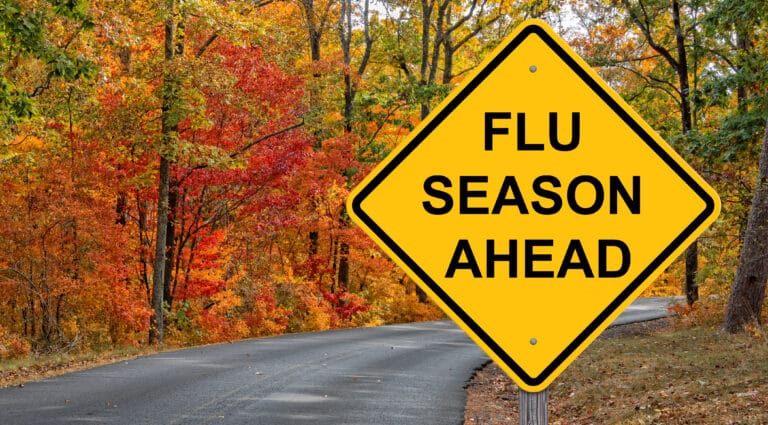
Health Department is Offering Flu Vaccines and will Provide Guidance Ahead of the 2025 – 2026 Flu Season

0

HAMILTON COUNTY, TN – On September 10th, the Hamilton County Health Department began offering flu vaccinations at all Health Department locations; no appointment is necessary. The flu vaccine is recommended for anyone six months and older and is also available through most primary care providers and local pharmacies.

Per the CDC, the flu is a contagious respiratory illness caused by influenza viruses that infect the nose, throat, and sometimes the lungs. Anyone can get the flu (including healthy people), but some people are at higher risk of developing serious flu-related complications. People at an increased risk include adults 65 years and older, children younger than 2 years old, people with asthma, pregnant women, and those with preexisting medical conditions or a compromised immune system.

There are actions you can take to protect yourself and others from flu and help stop the spread of germs, which include:

•             Wash your hands often

•             Cover your mouth and nose when coughing or sneezing

•             Avoid touching your eyes, nose, or mouth

•             Avoid close contact with people who are sick

•             Stay home when you are sick

•             Get the flu vaccine each year

These practical steps can help prevent the flu or reduce the chances of developing severe illness from the virus.

“With the flu season upon us, we highly encourage everyone to consider getting the flu vaccine,” says Dr. Stephen Miller, Hamilton County Health Department Health Officer.  “By being proactive and implementing a few simple steps such as good hygiene, staying home when sick, and getting the flu shot, we can protect ourselves, our loved ones, and our community.”

All Health Department locations will offer the flu vaccine, a high-dose vaccine for those 65 and older, and an egg-free vaccine for those with an egg allergy. The Health Department encourages anyone with an egg allergy to call the clinic

ahead of time to ensure the vaccine is available and ready for their visit. The COVID-19 vaccination is also available at all

Health Department locations, according to the CDC, may administer the flu vaccine simultaneously.

To receive a flu vaccine from the Health Department, please visit Health.HamiltonTN.org for locations and hours or call 423-209-8000 for more information.  If a minor is being vaccinated, a parent or legal guardian must be present at the appointment and bring a current, valid photo ID.  If you are the legal guardian, please bring proof of guardianship.

Suicide Prevention Month – September 2025

0

Each September, NAMI recognizes Suicide Prevention Month as a time to raise awareness, spread hope, and spark meaningful action around one of the most urgent mental health issues of our time.

 Our goal is to ensure that individuals, friends, and families have access to the tools, resources, and support they need to talk openly about suicide prevention, recognize warning signs, and seek help.

 This month: Start a Conversation. Be the Difference.

Your life is worth fighting for!

September is Suicide Prevention Month, a time to remember that one of the most powerful things we can do when we sense a loved one is in crisis is to simply ask the question.

Research shows that asking someone if they are thinking about suicide DOES NOT put the idea in their head. In fact, it can be a lifeline. By asking directly, you open the door for honesty and connection. Think about it, it is far better to ask and offer support than to stay silent and find yourself in a position where you didn’t get the chance to ask.

We all have the power to step in. You don’t need the perfect words, you just need courage, compassion, and a willingness to listen without judgement. When someone feels seen and heard, it can ease their pain and remind them feelings are fleeting and don’t always tell the truth. The truth is every life is valuable and worth fighting for.

This month, YOU ARE  encouraged to connect on a deeper level with the people around you. If you find yourself in the position, break the silence, ask the question! And most importantly, listen without judgment.

If you or someone you know are experiencing a mental health crisis, call or text 988 or visit 988lifeline.org

Federal judge overturns part of Florida’s book ban law, drawing on nearly 100 years of precedent protecting First Amendment access to ideas

0

In the 1933 case of United States v. One Book Called Ulysses, Judge John Munro Woolsey declared that James Joyce’s classic novel was not obscene, contradicting a lower court ruling. Woolsey emphasized that works must be considered as a whole, rather than judged by “selected excerpts,” and that reviewers should apply contemporary national standards and think about the effect on the average person.

In 1957, the Supreme Court further clarified First Amendment protections in Roth v. United States by rejecting the argument that obscenity lacks redeeming social importance. In this case, the court defined obscenity as material that, taken as a whole, appeals to a prurient – that is, lascivious – interest in sex in average readers.

The Supreme Court’s 1973 Miller v. California decision created the eponymous Miller test for jurors in obscenity cases. This test incorporates language from the Ulysses and Roth rulings, asking jurors to consider whether the average person, looking at the work as a whole and applying the contemporary standards in their community, would find it lascivious. It also adds the consideration of whether the material in question is of “serious literary, artistic, political, or scientific value” when deciding whether it is obscene. Another decision that is particularly relevant for teachers and school librarians is 1982’s Island Trees School District v. Pico, a case brought by students against their school board. The Supreme Court ruled that removing books from a school library or curriculum is a violation of the First Amendment if it is an attempt to suppress ideas. Free access to ideas in books, the court wrote, is sacrosanct: “If there is any fixed star in our constitutional constellation, it is that no official, high or petty, can prescribe what shall be orthodox in politics, nationalism, religion or other matters of opinion.”