Saturday, October 10, 2026
Advertisement
Home Blog Page 2

Chattanooga News Chronicle–Three Generations of Family Leadership

0

Generational wealth is often understood as the transfer of money, property, investments, businesses, and financial assets. And those matter.

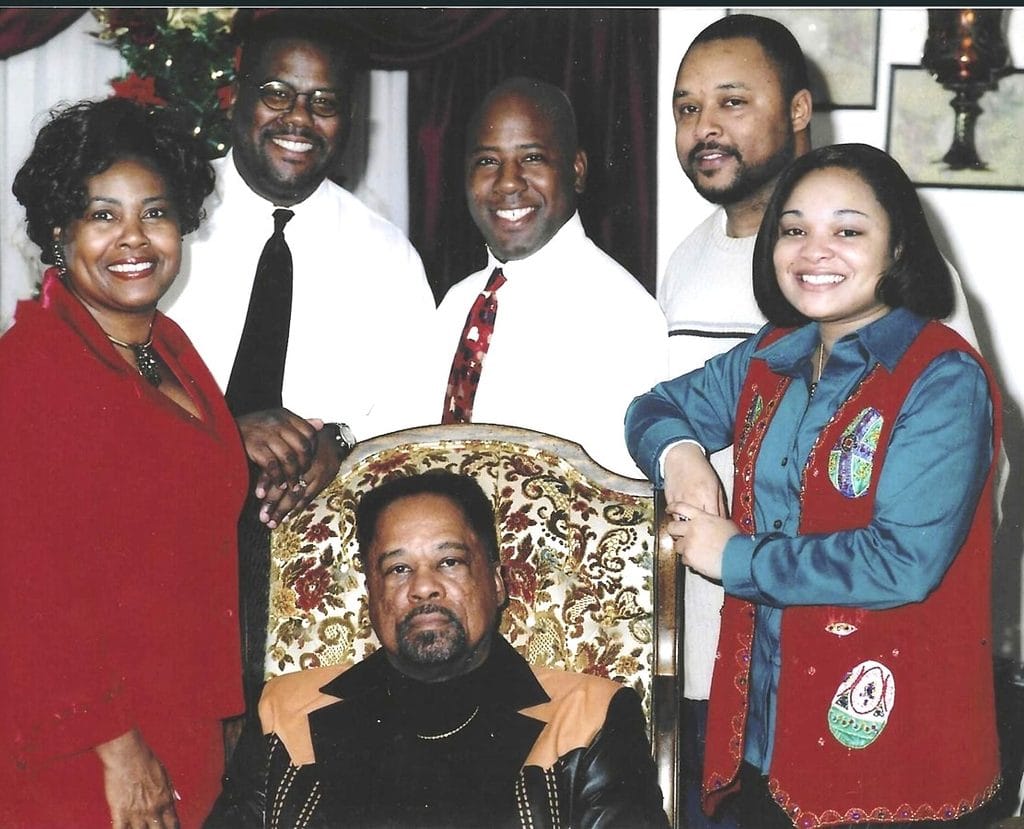
But wealth also takes another form: the passing down of purpose, knowledge, influence, relationships, institutions, and responsibility. That’s the three-generation story of the Edwards family and the Chattanooga News Chronicle.

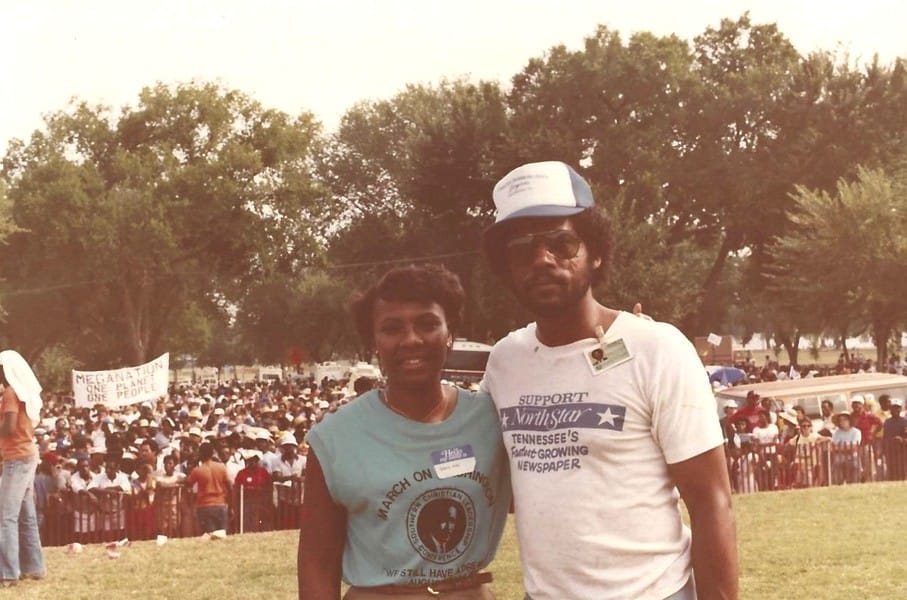
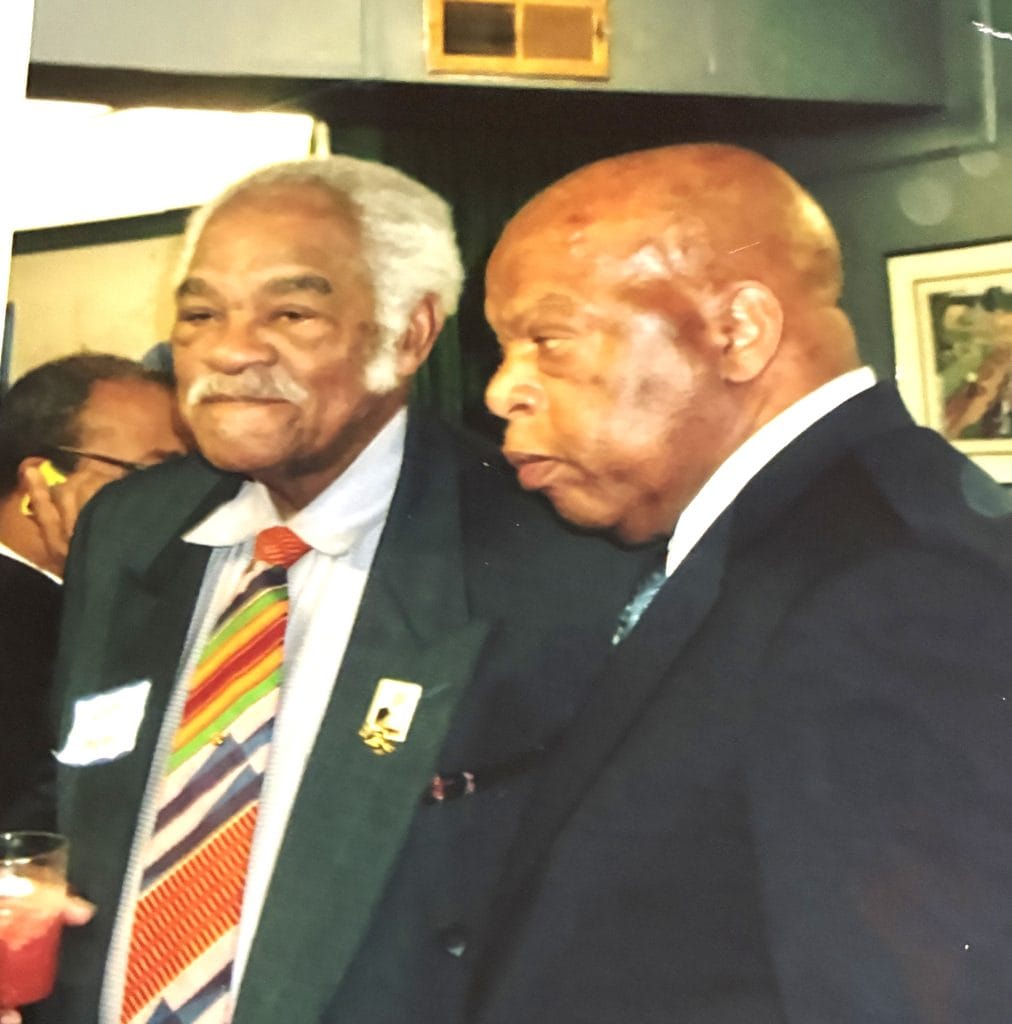
The foundation was laid by Rev. John Loyd Edwards Jr., whose ministry and civil rights work reflected a commitment to education, opportunity, history, and service. His interest in the remarkable life of Mary Hardway Walker–born into slavery and celebrated for learning to read at more than 100 years old–helped inspire the work that became the Mary Walker Historical and Educational Foundation.

That first generation did something essential: it created a legacy around values.

Rev. Edwards did not simply tell his children that literacy, history, service, and community empowerment were important. He worked, sacrificed, and built institutions around those convictions, even to the point that the Edwards home was firebombed in December 1969. In doing so, he transformed belief into something that could be inherited.

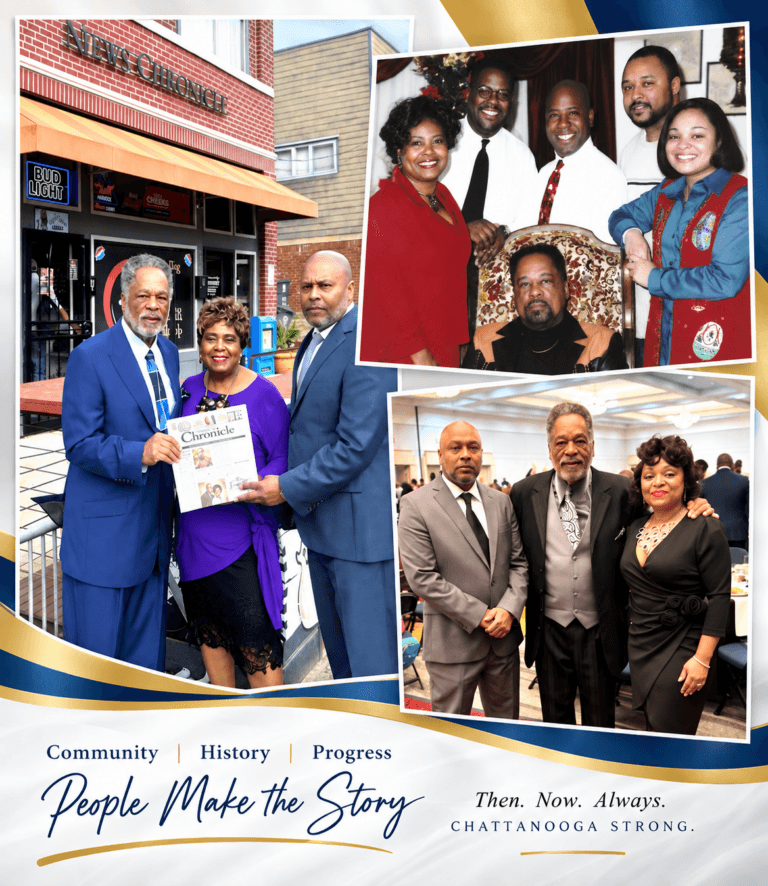
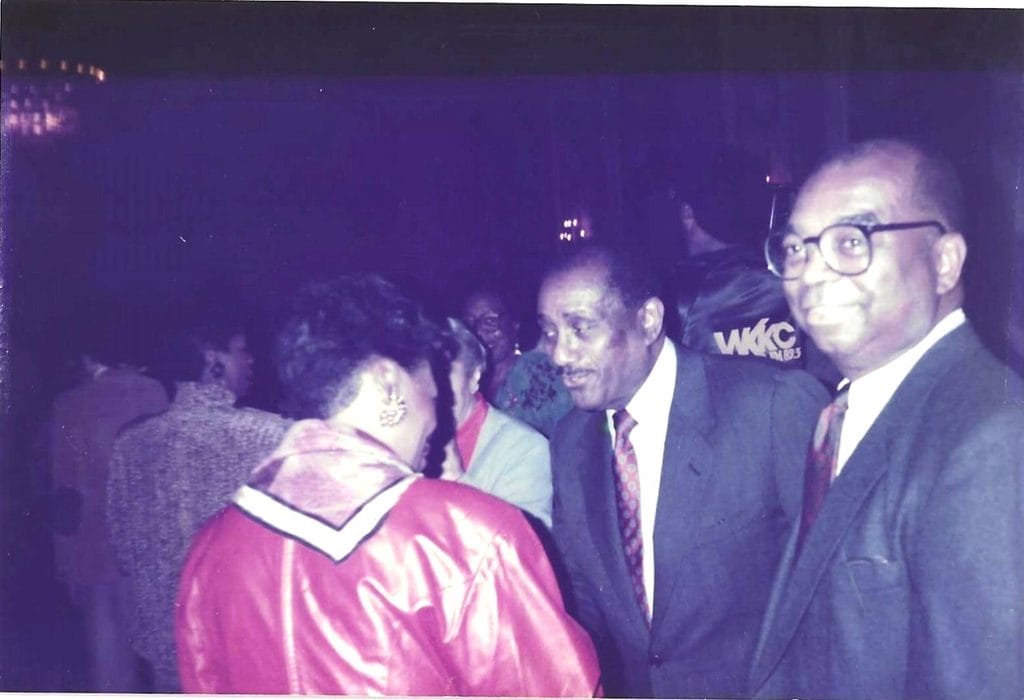
The second generation, led by John L. Edwards III, carried that inheritance into journalism. Through the newspaper that grew from the Chattanooga Courier in 1989 into the Chattanooga News Chronicle, Edwards, with his wife Faith at his side as writer and editor,  helped establish, expand and sustain a Black-owned institution dedicated to telling the stories of Black Chattanooga.

That matters.

A community that does not own institutions capable of recording its history, recognizing its accomplishments and challenges, and articulating its concerns must depend on others to decide which stories deserve to be told.

Ownership changes that equation. John Edwards, III enhanced his family’s legacy.

For almost four decades, the Chronicle has represented more than a newspaper. It has been a repository of local history, a platform for civic engagement, a chronicler of Black achievement, and a family-owned institution capable of shaping public conversation.

Now a third generation, including Adrian Edwards and Nikita Edwards-Brown, carries the work forward. Adrian introduced computer technology and modernized the CNC as co-publisher and key in the digital transition. Nikita is chief financial officer and took responsibility for financial and daily operations.

Their participation represents the critical difference between inheritance and generational wealth. Inheritance is what one generation leaves behind. Generational wealth is what the next generation is equipped to understand, steward, strengthen, and eventually pass forward once more.

That model deserves greater attention within the Black community and all communities!

Too often, successful businesses and institutions disappear with their founders. Children may inherit property or money but not the relationships, knowledge, discipline, vision, or sense of responsibility that made the enterprise successful.

The Edwards family demonstrates another reality.

The first generation established values and service. The second built institutional influence and ownership around those values. The third is positioned to modernize, preserve, and extend that influence.

That is generational wealth in its fullest form. The strongest generational wealth does not simply enrich descendants. It strengthens communities.

The Edwards story shows what happens when family continuity and community responsibility reinforce one another.

One generation plants. Another builds. The next protects and expands. And an entire community becomes wealthier because the family chose to build something meant to last. Happy 38th Birthday, News Chronicle! Your beauty is in your amazing story!
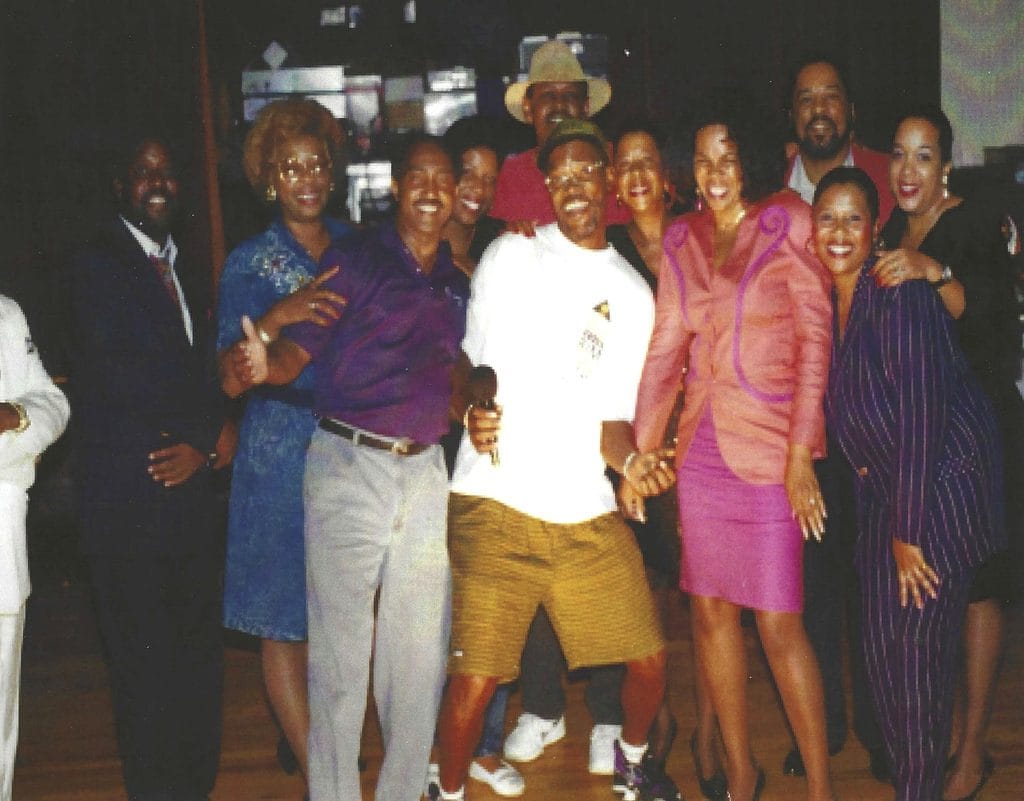
Chattanooga News Chronicle Team Family PROFILES WHO WE ARE

Camm Ashford is a freelance writer and Featured Journalist with the Chattanooga News Chronicle. A University of Tennessee, Knoxville graduate with a degree in Communications and Creative Writing, Camm has spent years telling stories that inform, inspire and give voice to others.

After working as a writer and editor for a weekly newspaper in Knoxville, she relocated to Chattanooga. In 2019, she reached out to the Chattanooga News Chronicle about freelance opportunities, beginning a relationship that has grown into being part of the CNC family.

Today, Camm enjoys covering the people, events and stories that make the Chattanooga community special. When she’s not writing, Camm enjoys traveling, cheering on the Tennessee Vols and Dallas Cowboys, and working on her next novel or short story.
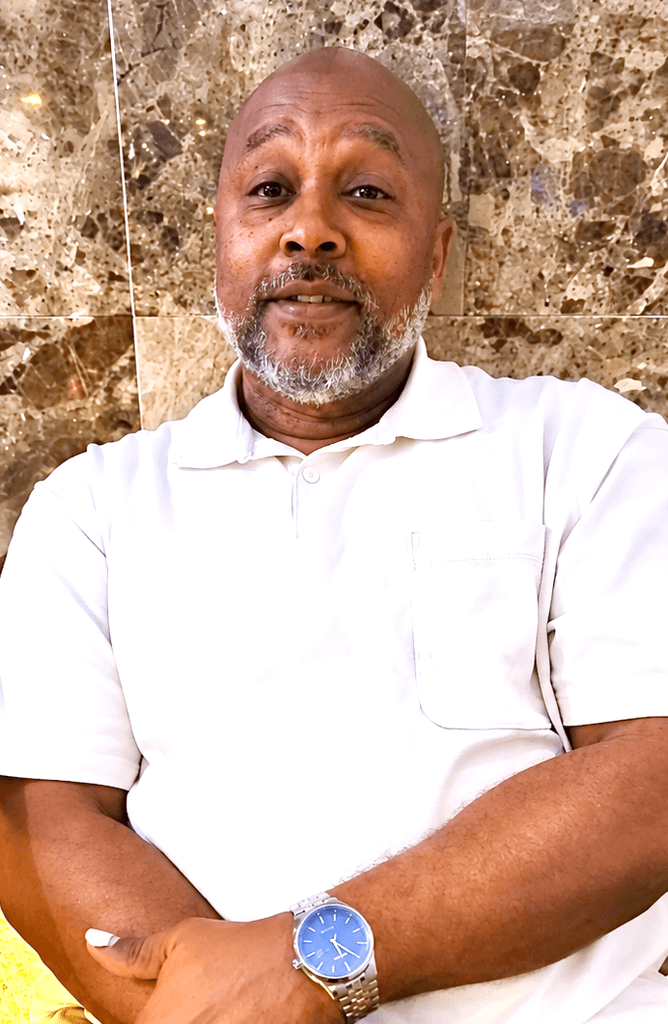

Adrian J. Edwards joined the CNC family as a contributing writer in 2014. In addition to the CNC, he writes for the American Diversity Report, The Douglas County Sentinel, Blackmarket.com, The Augusta County Historical Society Bulletin, The Boro Newsletter, Medium and Substack. He co-founded the 26 Tiny Paintbrushes writer’s guild and is a founding member of the “On Their Shoulders We Stand” African American research and development team.

Over the years Terry’s columns have focused on issues on race, religion, gender and culture and profiles on little-known leaders in African American history, primarily women like 15-year old Barbara Johns who led a protest in Virginia that resulted in school desegregation being outlawed by the Supreme Court and Daisy Bates, a Black-owned newspaper publisher who risked her life during the Little Rock Nine school desegregation crisis in Little Rock, Arkansas in 1957.
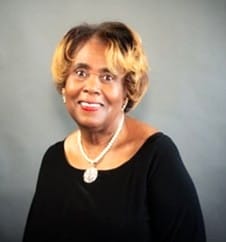

Faith R. Edwards took early retirement in 2001 after years of service as an administrator and human resources training professional at a local utility. In 2005, she reluctantly joined John and Adrian as the Chronicle’s executive editor. With her background in administration, executive-level training, and secretarial work, the transition into the role was a natural one. Her responsibilities include reviewing every article published in the newspaper to ensure consistent quality, as well as selecting and placing local, regional, and national stories on topics such as business, health, politics, stories of interest and progress for people of color.

When asked why she described herself as “reluctant” to join the family business, she replied, “Do you know our dominant personalities? My husband and I are like fire and gasoline. Going to work for my husband did not seem like the best idea. I was afraid I would be both fired and divorced.  We were happily married, and I was trying to stay married.”

After an enormous number of prayers and plenty of pillow talk, he asked her to come work with him—not for him—and thus began her journey with the Chronicle to assist where needed as well as to propel its vision, legacy, and provide support to her husband.  

Faith participates in community service efforts and advocacy for empowerment of black women and girls through memberships and volunteerism in local and national organizations.  She enjoys travel to exotic and warm destinations, dancing, girls’ trips, cooking and baking only when she wants to do so; and hosting a cooking show and skydiving are on her bucket list!


Nikita Edwards-Brown joined the Chattanooga News Chronicle in February 2025 as Billing Officer and was recently promoted to Chief Financial Officer. She holds a bachelor’s degree in Community and Public Health and a Master’s degree in Public Health Administration. With expertise in business management, financial oversight, federal and state grant administration, public health administration, and quality management, Nikita is proud to bring her professional experience to the family business while contributing to the Chronicle’s continued growth, sustainability, and legacy.

For Nikita, serving the Chronicle is more than a professional role; it is an opportunity to help carry forward a family legacy built on perseverance, service, and a commitment to amplifying the voices of the community. Following in the footsteps of her father, Founder and CEO John L. Edwards III, she considers it both an honor and a responsibility to preserve the foundation built over the past 37 years while helping position the Chronicle for continued success for generations to come.

In addition to her role with the Chronicle, Nikita serves as Southeast Regional Manager for the HIV Public Health Initiative, bringing more than 20 years of experience in public health, program administration, quality management, and regulatory compliance. Throughout her career, she has remained committed to strengthening programs, promoting accountability and quality, and advancing the health and well-being of the communities she serves. Outside of her professional roles, Nikita enjoys mentoring youth, playing tennis and racquetball, reading, line dancing, and participating in public health and community outreach initiatives/outreach.
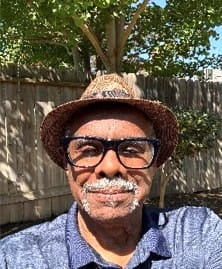

Terry Howard Most recently Howard’s writings have focused on the 25th anniversary of 9/11, on politics, primarily on the importance of urging people to VOTE during the upcoming midterm elections and beyond.

Among his recent columns, he cites as one of his most important is the one that highlighted the disturbing decline in the number of Black-owned newspapers in the United States.

Like TV personality Steven A. Smith, NBA Hall of Famer Earl “The Pearl” Monroe and the Honorable Luis Farrakhan, Terry is a graduate of Winston-Salem State University.

A proud father of two and grandfather of six, he is a resident of Douglasville, GA with his wife Karen. Formerly the Global Director of Diversity at Texas Instruments, Terry is the recipient of the Diversity Champion Award by the National Association of Black Engineers, the Dr. Martin Luther King, Jr. Leadership Award and third place winner of the Georgia Press Award.

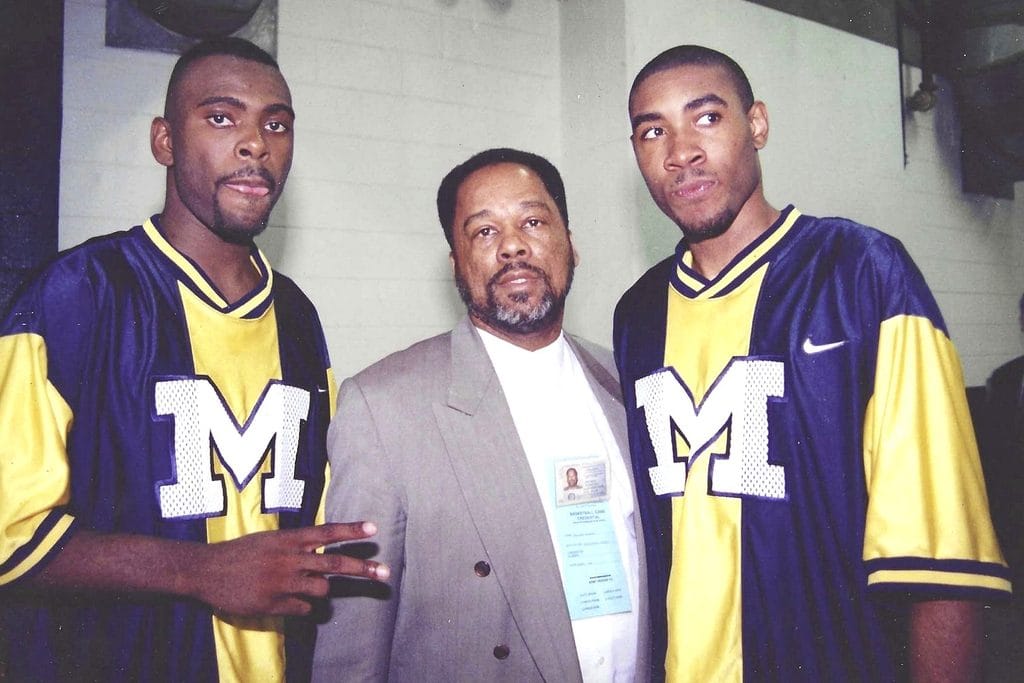
has been part of the Chattanooga News Chronicle for more than 32 years, serving in a variety of roles and helping advance the newspaper’s mission and presence in the community. A seasoned publishing executive, community leader, and advocate for literacy and education, Edwards brings more than three decades of experience in publishing, sales, management, marketing, and community engagement. He began his newspaper career in 1993 and has served as Publisher of the Chattanooga News Chronicle since 2008, overseeing operations, branding, advertising, and community engagement.

Beyond publishing, Edwards serves as Executive Director of the Mary Walker Historical & Educational Foundation, where he helps carry forward the organization’s longstanding commitment to literacy, education, history, and community advancement. His civic involvement has included service with Generation Hope, the Chattanooga Opportunity Center, and the Association for the Study of African American Life and History. Edwards studied marketing at Alabama A&M University. His professional and civic work reflects a continuing commitment to preserving history, promoting literacy, and strengthening the Chattanooga community.
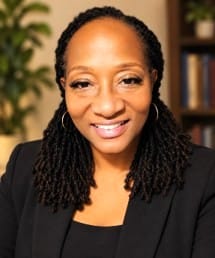

Yolanda Putman My connection to the Chattanooga News Chronicle goes back to the late 1980s, when I was an aspiring young journalist looking for opportunities to develop my writing. I used poems and articles published in Black-owned newspapers, including the Chronicle, as writing samples when I applied for an internship through Career Beginnings at The Chattanooga Times, which later became the Chattanooga Times Free Press.

After earning a bachelor’s degree in journalism and a master’s degree in communication, I returned to Chattanooga and spent nearly 20 years working at the Chattanooga Times Free Press. Throughout that time—and continuing to this day—I have contributed articles to the Chattanooga News Chronicle.

Today, I am a journalism and English teacher at The Howard School, where I encourage students to find and use their voices through writing. Last year, proceeds from stories I wrote for the Chronicle helped pay for a school bus that took Howard School juniors and seniors on a tour of the Chattanooga Times Free Press. The Chattanooga News Chronicle has been more than a place for me to publish. It has been a foundation for my growth as a journalist, and I am grateful that it continues to provide that same foundation and platform for future writers.
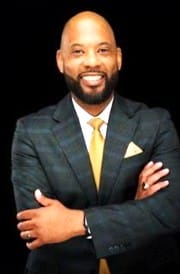

Reverend Dr. Ernest L. Reid, Jr., Senior Pastor of Second Missionary Baptist Church in Chattanooga, began the bi-weekly column, “The Shepherd’s Voice,” in the Chattanooga News Chronicle in May 2026.

The column, which has been a resounding success since its inception, is a platform to address issues of faith, community, and public life. His writings will continue to explore topics including government, business, education, and broader civic concerns, all through the lens of faith and moral responsibility.  The column will also reflect the enduring role of the prophetic voice within the African American church tradition.

“In the Bible, the sons of Issachar are remembered because they understood the times and knew what Israel ought to do,” Reid said, referencing 1 Chronicles 12:32. “This ancient calling still resonates today. Our voices are to be more than pastoral–they must also be prophetic, speaking truth to power without fear or hesitation.” In addition “The Shepherd’s Voice” will aim to provide both encouragement and challenge.

 “In a time marked by division, injustice, economic disparity, and the erosion of compassion, the Black prophetic voice remains essential,” says Dr. Reid. “It is a voice shaped by suffering yet anchored in hope–born in the hush harbors, the prayer meetings, the freedom marches, and a church tradition that refused to let oppression have the final word.”

Reid continued his theological education at The Samuel DeWitt Proctor School of Theology at Virginia Union University, receiving a Master of Divinity, and later earned a Master of Theology with a concentration in Ethics from Union Presbyterian Seminary. He also holds a Doctor of Ministry degree from Virginia Union University. Reid’s lovely and adorable wife is the former Sherelle Harris of Richmond, Virginia, and they are the parents of two sons, Ernest III and Noah Zachery.
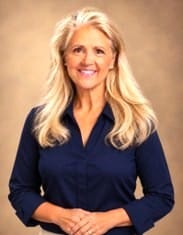

Robin Smith is a freelance writer whose writing start was in technical writing for health care and life science research.

Robin’s background in healthcare, business, politics, and project management crafted her writing as a ghost writer for legislative members, a Member of Congress, a conservative editor of a newspaper, and cited authors.

As a ghost writer, Robin’s work has been published in the Wall Street Journal, Fortune Magazine, and in two book manuscripts: one published and the other currently in editing.

For years, Robin was a contributing opinion writer for the Chattanooga Times Free Press editorial page, the online news digest, the Patriot Post, and communications for business and political projects.

The Edwards family welcomed Robin’s writing into their leadership with the Mary Walker Foundation in the summer of 2022 which expanded into a weekly contributor for the Chattanooga News Chronicle.

The graduate of the University of Tennessee with a Bachelor of Science in Nursing and Stanford University in Certified Project Management has several writing projects in progress for causes and organizations.


Glenda Faye Stoudemire currently serves as Office/Distribution Manager for the Chattanooga News Chronicle. Her connection to the Chronicle began when she reached out to have an article published about a community organization in which she was involved. That initial experience sparked an interest in the newspaper and its role in serving the community, eventually leading Glenda to join the Chronicle team in 2018 as Office Clerk. 

Since joining the newspaper, Glenda has developed a genuine sense of pride in the Chronicle’s history, mission, and longstanding role in preserving and sharing the stories of Chattanooga’s Black community. She brings an organized, dependable, and tenacious spirit to her work and has taken initiative in supporting the newspaper’s day-to-day operations, community presence, and relationships with clients and local businesses. From coordinating office responsibilities to helping develop branded paraphernalia and assisting with newspaper distribution, Glenda is always willing to lend a hand wherever needed.

A proud graduate of The Howard High School Class of 1976, Glenda is especially proud of her family. She is the mother of two adult children and the proud grandmother of eight grandchildren and five great-grandchildren, whom she holds near and dear to her heart. In her spare time, Glenda enjoys traveling, creating memories with her family, and, most of all, spending quality time with her great-grandchildren.


“The Shepherd’s Voice”

0

The Theology of Sabbath: Time to Rest

By Dr. Ernest L. Reid, Jr

Imagine Chattanooga’s churches announcing that for 30 days they would continue Sunday worship but suspend everything else they do for the community.

No food pantries. No utility assistance. No rent help. No transportation to appointments. No youth mentoring or tutoring. No youth interventions to model Christlike love and men-toring. No recovery ministries. No re-entry assistance. No counseling, emergency benevo-lence or volunteers quietly helping families through crises.

What would local government do?

That answer can’t be precisely calculated because Chattanooga has no comprehensive accounting of services provided by its churches. But available data suggest the impact would be immediate and expensive.

Start with hunger. The Chattanooga Area Food Bank reports providing 16.9 million meals annually across its 20-county service region through a distribution network that includes churches and other community organizations. It also reports that one in six households in its service region may not know where its next meal is coming from and that more than 49,000 children face hunger.

United Way of Greater Chattanooga’s 211 Helpline handled more than 57,000 requests for assistance during 2024-25. Food represented 48% of requests, rent 26%, and utility assis-tance 25%. This totaled $827,077 in direct emergency assistance to 3,887 people.

Chattanooga has a substantial unmet and continuing demand for basic assistance while churches are operating. Remove congregations from that support network for a month, and those families do not disappear. Neither does hunger, eviction, addiction, loneliness, juve-nile risk, unemployment or the returning citizen needing somewhere to live.

The demand simply moves somewhere else.

Some would reach government agencies. Others would turn to United Way, food banks, shelters and nonprofits. Some would appear in emergency departments, schools, courts or law enforcement. And some needs would simply go unmet.

Government itself grows. Chattanooga’s official financial records show an FY2027 operat-ing budget approaching $400 million, while Hamilton County operates a government ex-ceeding $1 billion annually.

Government unquestionably performs functions churches cannot: policing, firefighting, roads, courts, schools, infrastructure and emergency management.

But increasing government revenue doesn’t come with compassion and community.

As Chattanooga grows–collecting more revenue, attracting tourists, developing property, and creating jobs–are the benefits of that growth reaching the households most likely to need help with groceries, rent and electricity through jobs, training, and teaching genera-tional wealth, breaking a cycle of poverty?

Churches provide something government cannot reproduce and frequently intervene be-fore someone’s problem becomes the government’s problem.

If Chattanooga’s churches stopped serving for 30 days, government probably could not simply replace them.

Instead, Chattanooga would discover something it rarely attempts to put on a balance sheet: Churches aren’t merely places where people worship. They are part of the city’s es-sential social infrastructure–and taxpayers are already receiving the benefit.

This must not be forgotten among governments and grant administrators that often place demands on churches or prioritize other nonprofits that give away services but do not offer the care and community of a church.

Thank you for serving in love, area churches! Those who fulfill Matthew 25:31-46 will be re-warded.

Mind, Body & BBQ to Bring Health, Community and Connection to East Chattanooga

0

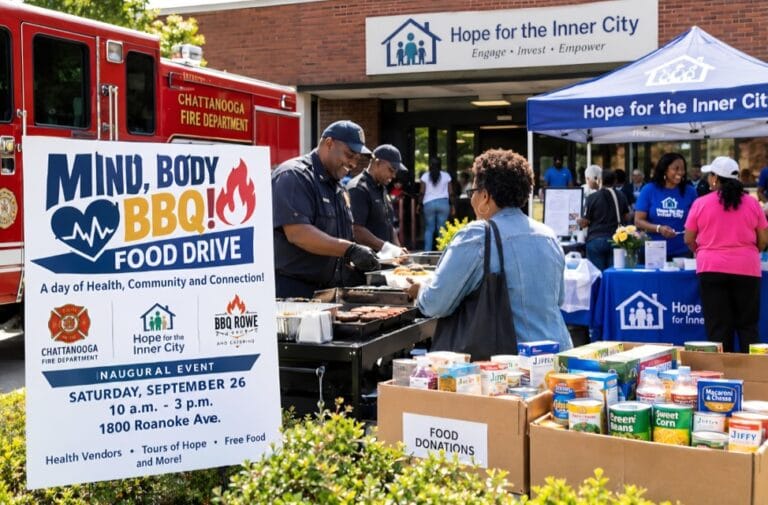
The Chattanooga Fire Department is partnering with Hope for the Inner City and BBQ Rowe and Catering to bring a day of food, health and fellowship to East Chattanooga with the inaugural Mind, Body & BBQ.

The free gathering will be held Saturday, Sept. 26, from 10 a.m. to 3 p.m. at Hope for the Inner City, 1800 Roanoke Ave.

Organizers say it’s designed to promote health, strengthen community connections and provide resources to area residents in a welcoming atmosphere.

Activities will include Tours of Hope, health vendors and other community-focused activities. The first 100 guests also will receive free hot dogs and hamburgers.

The festival also will serve as the culmination of a weeklong food drive benefiting Hope for the Inner City’s food pantry.

From Sept. 19 through Sept. 25, residents are encouraged to donate nonperishable food items at any Chattanooga Fire Department station or at Hope for the Inner City.

Suggested donations include canned vegetables such as green beans, corn, sweet peas, mixed greens, turnip greens, collard greens and spinach. Other requested items include pork and beans, tomato and chicken noodle soup, pasta sauce and tuna.

The pantry also is seeking dry goods and baking staples, including 2-pound bags of cornmeal, all-purpose flour and white sugar; Jiffy corn muffin mix; 1-pound bags of white, pinto, black-eyed, black and lima beans; macaroni and cheese; Hamburger Helper; instant potatoes; spaghetti, penne and elbow pasta; ramen noodles; oatmeal; grits; cereal; applesauce and fruit cups.

Condiments such as mayonnaise, mustard, pickle relish and ketchup also are welcome.

“Every donation makes a difference,” organizers said, encouraging residents to drop off items during the Sept. 19–25 collection period to help stock the pantry and feed families in the community.

Hope for the Inner City is a faith-based nonprofit that has served East Chattanooga for more than five decades. Its work focuses on addressing poverty while providing programs and resources designed to promote economic, emotional and spiritual well-being.

The organization’s roots date to 1972, when Covenant College students began a neighborhood Bible study at the Mitchell Street YMCA. In 1976, Randy Nabors returned to Chattanooga to serve as director of the Inner City Mission, expanding outreach to vulnerable urban families.

A sister organization, Hope for Chattanooga, was established in 1987 to address practical community needs. In 2007, Inner City Ministries and Hope for Chattanooga merged to create Hope for the Inner City.

Under the leadership of Executive Director Anthony Watkins, the organization relaunched its core ministries beginning in 2020, placing renewed emphasis on long-term community development and responding to challenges facing East Chattanooga residents.

Today, Hope for the Inner City provides a range of services, including food distribution, bill assistance, job-readiness programs, urban farming initiatives, community meals and youth programs.

The organization also has a history of providing affordable health-related services. The Mercy Dental Clinic, founded in 1985 following a mission trip to Haiti by Dr. William Roy and Dr. Martin Long, became part of Hope for the Inner City and has provided deeply discounted dental care to adult residents.

According to Hope for the Inner City, East Chattanooga is home to approximately 15,000 residents and faces challenges including poverty, single-parent households, food insecurity, health concerns, educational disparities, limited employment opportunities and aging infrastructure.

The organization emphasizes collaboration with local churches, schools, businesses, nonprofits and individual supporters as a key part of its efforts to address those challenges.

“By working together, we combine resources, expertise, and passion to empower individuals and families in East Chattanooga to overcome barriers and build brighter futures,” the organization states.

The Mind, Body & BBQ  reflects that collaborative approach by bringing public safety, community services, health resources and local food together for one day of connection.

For more information about the event or food donations, contact Hope for the Inner City at 423-698-3178.

Hope for the Inner City is located at 1800 Roanoke Ave. Its regular hours are Monday from 11 a.m. to 2 p.m.; Tuesday through Thursday from 9 a.m. to 2 p.m.; and Friday by appointment. Food distribution takes place Tuesdays and Thursdays beginning at 11 a.m. while supplies last.

13th Annual Chattanooga Humanitarian Award Gala to Honor Distinguished National, Judicial, Medical, Media, and Community Leaders

0

National Civil Rights Leader Reverend Al Sharpton, Federal Judge Curtis Collier, Dr. Linda Moore Avila, Rodney Billups, Dr. Cornelius Mance, and Sister Willie McClendon Among 2026 Honorees

CHATTANOOGA, TENNESSEE — September 2026 — The Alton Park Development Corporation (APDC), along with co-sponsors in the Chattanooga Scenic City National Action Network, proudly announces the 13th Annual Chattanooga Humanitarian Award Gala, taking place on Thursday, October 22, 2026, at 6:00 p.m. at the Chattanooga Civic Center Ballroom, 701 Hooker Road, Chattanooga, Tennessee.

The annual gala is a premier celebration of humanitarianism, leadership, public service, civil rights, community advocacy, health, faith, culture, and achievement. Each year, the event recognizes individuals whose extraordinary commitment to serving others has strengthened communities and helped advance the causes of justice, equality, health, opportunity, and empowerment.

The 2026 celebration will bring together community leaders, elected officials, faith leaders, business owners, professionals, advocates, media personalities, and citizens from throughout Chattanooga and surrounding communities for an evening dedicated to honoring exceptional service.

2026 HUMANITARIAN AWARD HONOREES

Reverend Al – National Civil Rights Leader and Icon

Reverend Al Sharpton will be honored for his decades of national leadership in the civil rights movement and his continued advocacy for equality, justice, voting rights, and social change. Representative Yusuf Hakeem (D-28) will also present him with a Tennessee State Proclamation

Federal Judge Curtis Collier – Distinguished Jurist and Public Servant

Federal Judge Curtis Collier will be recognized for his distinguished career in the judiciary and his commitment to justice, fairness, public service, and the community.

Dr. Linda Avila – Community Advocate for Mental Health

Dr. Linda Avila will be honored for her dedication to mental health advocacy and her commitment to raising awareness, providing support, and helping strengthen understanding and resources for individuals and families affected by mental health challenges.

Rodney Billups – Community Activist and Historical Business Leader of Herman’s Soul Food Restaurant

Rodney Billups will be recognized for his contributions as a community activist, entrepreneur, and leader connected to the historic legacy of Herman’s Soul Food Restaurant. His work represents the importance of preserving Chattanooga’s cultural, entrepreneurial, and community history.

Dr. Cornelius Mance – Community Advocate for Mental Health and Neurologist

Dr. Cornelius Mance will be honored for his professional contributions as a neurologist and his commitment to advocating for greater awareness, understanding, and support for mental health within the community.

Sister Willie McClendon – Gospel Talk Show Host and “Godmother of Gospel”

Sister Willie McClendon will be honored for her longstanding contributions to gospel music, Christian broadcasting, and the Chattanooga community. Known as the “Godmother of Gospel” on WNOO 1260 AM and 107.3 FM, Sister Willie McClendon has used her voice and broadcasting platform to celebrate gospel music, uplift listeners, promote faith, and connect the community through inspirational programming.

Her years of service in gospel radio have established her as a respected and influential voice within Chattanooga’s faith, music, and broadcasting communities. This humanitarian recognition celebrates her dedication to using media as a vehicle for encouragement, spiritual inspiration, community connection, and positive change.

A NIGHT DEDICATED TO SERVICE, LEADERSHIP, AND LEGACY – The Chattanooga Humanitarian Award Gala is more than an awards ceremony. It is an opportunity for the community to come together and celebrate individuals who have dedicated their lives and careers to making a difference.

The 2026 honorees represent a remarkable cross-section of leadership — from the national civil rights movement and federal judiciary to mental health, medicine, entrepreneurship, cultural preservation, grassroots community activism, faith, and gospel broadcasting.

The Alton Park Development Corporation is proud to host this year’s celebration and recognize individuals whose lives and work exemplify the values of service, leadership, compassion, perseverance, justice, faith, and community empowerment.

The event is presented by the Alton Park Development Corporation, with co-sponsors including the Chattanooga Scenic City National Action Network and additional community partners committed to advancing humanitarian values and strengthening the Chattanooga community.

Community members, civic organizations, businesses, faith-based organizations, elected officials, and members of the media are invited to participate in this special evening honoring outstanding humanitarian leadership. Tickets are $75.  Sponsorship and Table Packages Are Available. Contact Justine Jones for Information about Tickets and Sponsorships (423) 331-8878

What Might Happen If?

0

Imagine Chattanooga’s churches announcing that for 30 days they would continue Sunday worship but suspend everything else they do for the community.

No food pantries. No utility assistance. No rent help. No transportation to appointments. No youth mentoring or tutoring. No youth interventions to model Christlike love and mentoring. No recovery ministries. No re-entry assistance. No counseling, emergency benevolence or volunteers quietly helping families through crises.

What would local government do?

That answer can’t be precisely calculated because Chattanooga has no comprehensive accounting of services provided by its churches. But available data suggest the impact would be immediate and expensive.

Start with hunger. The Chattanooga Area Food Bank reports providing 16.9 million meals annually across its 20-county service region through a distribution network that includes churches and other community organizations. It also reports that one in six households in its service region may not know where its next meal is coming from and that more than 49,000 children face hunger.

United Way of Greater Chattanooga’s 211 Helpline handled more than 57,000 requests for assistance during 2024-25. Food represented 48% of requests, rent 26%, and utility assistance 25%. This totaled $827,077 in direct emergency assistance to 3,887 people.

Chattanooga has a substantial unmet and continuing demand for basic assistance while churches are operating. Remove congregations from that support network for a month, and those families do not disappear. Neither does hunger, eviction, addiction, loneliness, juvenile risk, unemployment or the returning citizen needing somewhere to live.

The demand simply moves somewhere else.

Some would reach government agencies. Others would turn to United Way, food banks, shelters and nonprofits. Some would appear in emergency departments, schools, courts or law enforcement. And some needs would simply go unmet.

Government itself grows. Chattanooga’s official financial records show an FY2027 operating budget approaching $400 million, while Hamilton County operates a government exceeding $1 billion annually.

Government unquestionably performs functions churches cannot: policing, firefighting, roads, courts, schools, infrastructure and emergency management.

But increasing government revenue doesn’t come with compassion and community.

As Chattanooga grows–collecting more revenue, attracting tourists, developing property, and creating jobs–are the benefits of that growth reaching the households most likely to need help with groceries, rent and electricity through jobs, training, and teaching generational wealth, breaking a cycle of poverty?

Churches provide something government cannot reproduce and frequently intervene before someone’s problem becomes the government’s problem.

If Chattanooga’s churches stopped serving for 30 days, government probably could not simply replace them.

Instead, Chattanooga would discover something it rarely attempts to put on a balance sheet: Churches aren’t merely places where people worship. They are part of the city’s essential social infrastructure–and taxpayers are already receiving the benefit.

This must not be forgotten among governments and grant administrators that often place demands on churches or prioritize other nonprofits that give away services but do not offer the care and community of a church.

Thank you for serving in love, area churches! Those who fulfill Matthew 25:31-46 will be rewarded.

LOCAL APPRENTICE AND STOREFRONT GRANTS

0

For Chattanooga’s small businesses, economic development funding is often out of reach due to qualifying criteria, reimbursement monies paid after out-of-pocket spending, and scale of return on the investment.

But two programs approved by the Chattanooga Industrial Development Board on September 9, 2026, take economic development closer to street level: improving commercial properties and developing skilled workers.

The first is Chattanooga’s new Commercial Corridor Revitalization Grant Program. The second is a $333,000 Registered Apprenticeship Employer Incentive Fund. Together, they represent an investment strategy aimed at immediate results: improve the places where businesses operate while encouraging employers to invest in the people who will work there.

The storefront initiative traces its financial roots to the IDB’s Renewing Chattanooga Fund, created in 2018 to encourage investment in underserved areas and help rehabilitate blighted or vacant commercial properties.

The program received a significant boost in July 2025, when the IDB authorized transferring $1.5 million from its PILOT Economic Development Fund into Renewing Chattanooga. By February 2026, city records reported that Chattanooga had appropriated another $1.3 million to the fund.

The newly approved corridor program targets commercial areas including Brainerd Road, Rossville Boulevard, Highway 58, East 38th Street, M.L. King Boulevard, and Spring Creek Road. Earlier IDB discussions included grants of up to $5,000 for signs, $10,000 for façade improvements, $25,000 for improvements necessary to occupy vacant commercial space and $50,000 for larger retail projects. Importantly for cash-strapped small businesses, officials proposed providing the money upfront rather than requiring businesses to complete projects and then request reimbursement.

This new proposal is separate from Chattanooga’s Scenic Storefronts program administered by River City Company launched in November 2025, which used a 1-to-1 matching, reimbursable grant model. Chattanooga City Council approved another $500,000 for that program in August 2026.

Buildings are just one piece of the IDB’s latest investment.

The September 9 action also approved $333,000 for registered-apprenticeship employer incentives. The proposal had been presented to the IDB in August as part of the city’s One Chattanooga Works workforce strategy. Under the structure presented, an employer establishing or expanding a U.S. Department of Labor-registered apprenticeship could qualify for as much as $50,000.

An employer will receive $25,000 after hiring four registered apprentices within four quarters, followed by another $25,000 when the fourth apprentice successfully graduates from the registered program. This makes the incentive performance-based rather than simply a subsidy for announcing an apprenticeship program.

Currently, Hamilton County has approximately 1,500 registered apprentices, which city officials claims as the highest per-capita concentration in Tennessee. The initiative is intended to encourage more employers to use the nationally recognized registered-apprenticeship model, that combines paid employment, structured training, and recognized occupational credentials.

Together, the programs reveal the goal of the IDB’s spending.

A better sign or renovated façade can make a struggling commercial corridor more attractive. A trained apprentice can make a local employer more productive and create a pathway to a sustainable career. One investment improves Chattanooga’s physical appearance. The other strengthens its human capital. Both invest in small businesses.

The Moors and the Renaissance: Hidden Foundations of Europe’s Golden Age

CHATTANOOGA, TN (August 18, 2026) — BettyeLynn Smith, a distinguished community leader, strategist, and champion of neighborhood revitalization across Chattanooga and beyond, passed away Tuesday, August 11, at the age of 81.

Ms. Smith lived a life defined by courage, adventure, excellence, and love. Vibrant, vivacious, and spirited, she embraced life with enthusiasm and determination, always choosing her own path and inspiring others to do the same. Her adventurous nature and unwavering belief in what was possible allowed her to leave a lasting impact on every community she touched, from Chattanooga to Washington, D.C., and beyond.

A gifted strategist, leader, and community advocate, Ms. Smith brought excellence to every role she held. She earned a bachelor’s degree in social work from the University of Tennessee at Chattanooga and a graduate degree in management from Biscayne College in Miami, now St. Thomas University.

After returning to Chattanooga in 2000, she joined Chattanooga Neighborhood Enterprises, Inc. as Senior Vice President of Neighborhood Revitalization and Community Relations. In 2002, she was selected as Executive Director of Community Impact of Chattanooga, Inc., where her leadership helped transform seven urban neighborhoods through strategic partnerships and resident empowerment initiatives that strengthened communities and improved quality of life.

Throughout her distinguished career, Ms. Smith served in senior leadership positions in both the public and private sectors. Her accomplishments included managing the development of the Maclellan Shelter for Families, creating and managing the Inclusion By Design executive leadership program for the Urban League of Greater Chattanooga, and establishing Black Professionals at the Hunter for the Hunter Museum of American Art. She also held executive positions with private equity and venture capital firms and served as Assistant Secretary of the District of Columbia.

She was widely respected for her intelligence, vision, strategic thinking, and ability to bring people together to achieve meaningful results.

Her commitment to service extended well beyond her professional life. Ms. Smith held leadership roles with numerous civic and charitable organizations, including the City of Chattanooga General Pension Plan; the Investment Committee of the Chattanooga Opportunity Fund; the Boards of Directors/Trustees of the Lillian Colby Foundation, the Hunter Museum of American Art, the University of Chattanooga Foundation, and the Memorial Healthcare System Foundation; the Bessie Smith Cultural Center; the Women’s Fund of Greater Chattanooga; Chattanooga Symphony & Opera; United Way of Greater Chattanooga; the Urban League of Greater Chattanooga; and many others.

Ms. Smith was also a Golden Life Member of Alpha Kappa Alpha Sorority, Incorporated, reflecting her lifelong commitment to service, leadership, and community.

BettyeLynn Smith lived boldly, led purposefully, and loved deeply. She left the world better than she found it, and her legacy of service, resilience, generosity, and devotion to family will continue to inspire all who knew her.

Public viewing will be held on Thursday, August 20 from 2 p.m. – 6 p.m. at John P. Franklin Funeral Home located in Chattanooga at 1101 Dodds Avenue.  A private Alpha Kappa Alpha (AKA) ceremony will begin at 6:30 p.m. at the funeral home. The funeral service will be held on Friday, August 21 at 11 a.m. at St. Paul’s Episcopal Church located at 305 W. 7th Street. In lieu of flowers, memorial contributions may be made to the Urban League of Greater Chattanooga.