
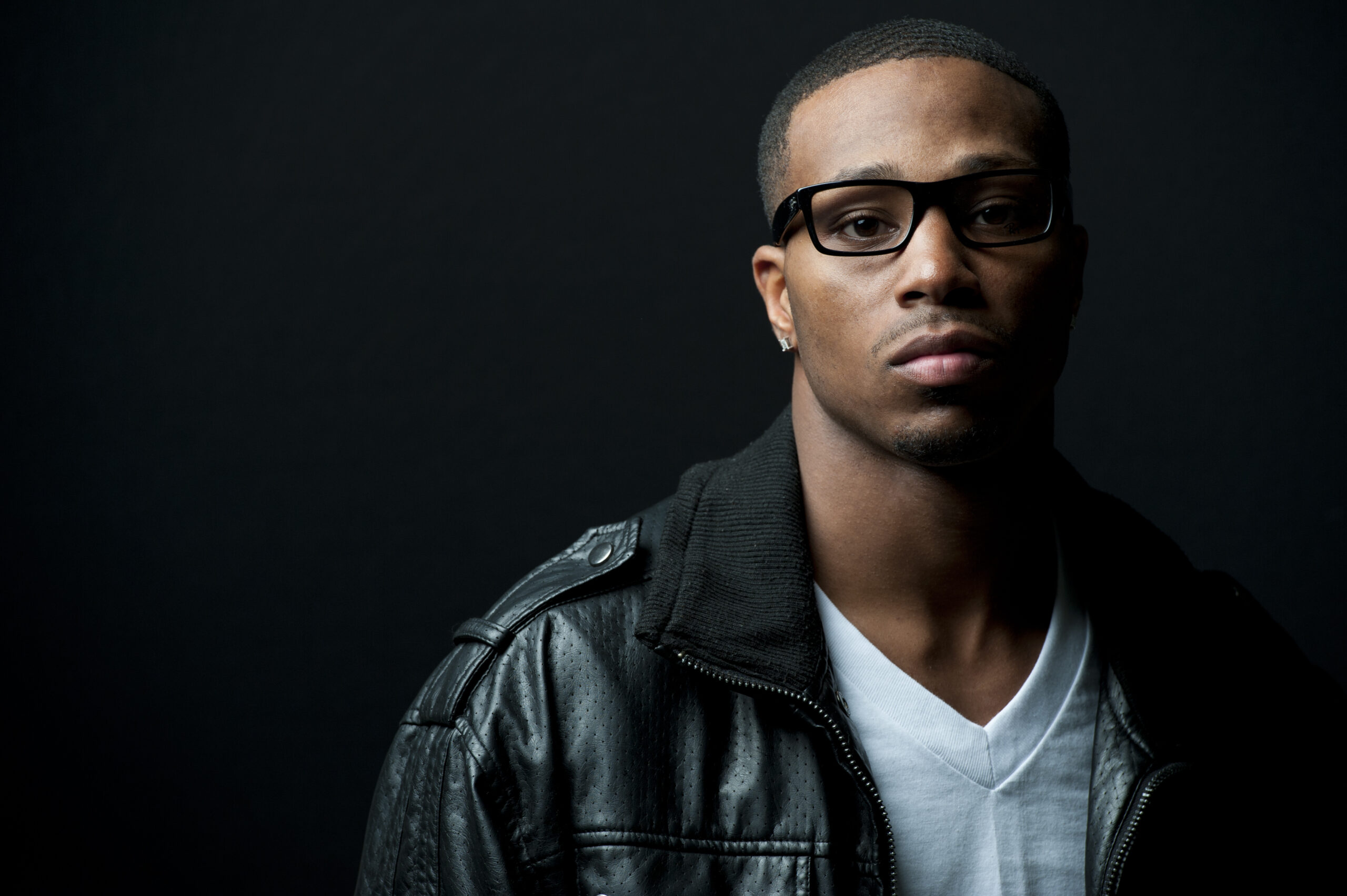
What does it mean to be a man today? Before we answer, perhaps we should ask how willing are we to examine the assumptions we carry about women, relationships, and about ourselves.
Three things prompted me to revisit these questions: a recent article I wrote about male complicity related to the sexual-assault allegation at Cornell University, a challenge from my friend “Bernard,” a column by Pulitzer Prize winner Leonard Pitts Jr. about manhood and a “15 Questions for Men” piece I published years ago.
In my male complicity piece, I acknowledged my tendency to believe women rather than men in difficult “he said, she said” disputes. But “Bernard” challenged that instinct by pointing out that there are women who have ulterior motives. His point, as I understand it, was that we still have to pursue the facts and ask difficult questions. He’s right. Taking an allegation seriously and examining the evidence carefully both belong in the same conversation. Duly noted brother “Bernard.”
Now my exchange with “Bernard” was a startling eye opener and raised some broader “deer caught in the headlights” questions for me. First, how would I have responded had “Sheila” and not “Bernard” challenged my instinct? Had I predisposed and made assumptions about their opinions based on their gender? Okay, guilty as charged.
Second, beyond gender what other assumptions do we bring to our relationships without examining them? Okay, put on the handcuffs.
Moving along, hopefully the following updated “15 Questions for Men” are an invitation to do that work. They can be considered privately or discussed with others, if we are willing to listen as carefully as we speak.
1. On a scale of 1 to 10, with 1 meaning very little progress and 10 meaning substantial progress, how would you rate society’s progress toward equal treatment of women over the past 25 years? What experiences inform your rating?
2. How do you define a “real man”? Which experiences or changing expectations have challenged that definition?
3. What messages about manhood, if any, make you reluctant to speak openly for fear of getting your hands slapped for saying it wrong? What would help you participate more honestly?
4. What have women in your life helped you recognize about your behavior that you had not noticed yourself? What might you learn by asking them?
5. What gender-related issues do you avoid discussing with other men, and why? What are the consequences of that silence?
6. What would you like the women in your life to do more of, do less of, stop doing, or start anew to improve your relationship with them? If you have not asked them, what keeps you from asking?
7. What have the women in your life said they would like you to do more of, do less of, stop doing, or start anew to improve your relationship with them? If you have not asked them, what keeps you from asking?
8. When you stop listening to a woman, what tends to trigger it, and where does your attention go? Do you notice the same pattern when listening to men?
9. How do you respond to women’s progress in education, work, and leadership? If you or men you know feel threatened by it, what seems to be behind that reaction?
10. Have your views about homosexuality and sexual orientation changed as you have grown older, learned more, or met different people? How do those views influence or in some way interfere with your understanding of manhood?
11. If you could speak to a younger you, yourself of 25 years ago, what advice would you offer about how to treat the women in your life based on what you know now?
12. How might men from different generations (Baby Boomers, Gen Xers, Millennials, etc.) answer all or many of the previously asked questions similarly or differently? What experiences could help explain those differences?
13. How might men from different racial or cultural backgrounds answer all or many of the previously asked questions similarly or differently? How can we explore those experiences without assuming everyone in a group thinks alike?
14. If the women in your life provided their responses to the previous 13 questions, where might their perspectives agree with yours, and where might they differ? How could you find out without assuming their answers?
15. What other important questions are missing from this list that deserve deeper discussion and thoughtful analysis?
Turning now to the previously mentioned Leonard Pitts and his 2018 column, “What does it mean to be a real man.” As you read it, think about how much of it remains true, unchanged and relevant today. And think about it in a broader context, that being the overabundance of news that men and rampant masculinity – if you believe the headlines – are on the endangered species list.
“So I guess you can take men off the endangered species list. It wasn’t that long ago we were hearing that men were in trouble. It was said that our manly maleness was under siege from a culture of runaway political correctness hellbent on snipping off our masculine accoutrements and turning us into sissified wimps who ate kale, clipped coupons and talked about our feelings. Fox “News” sounded the alarm about what it dubbed the “feminization” of the American man.
Suffice it to say, it seems obvious the problem with men isn’t that they’ve become feminine. Rather, the problem is what it has always been that, as men, we too often define manhood by the use of our (usually) superior strength and/or position to take what we want. Which makes this an opportune moment to reconsider manhood, to ask anew what being a man means — and should mean.
Pitts ends his piece with an offramp, a useful example of what being a man is in practice. In the column, he describes his son walking through deep snow during a blizzard, trying to find diapers for his daughter. What moved him was his son’s willingness to meet his child’s needs under difficult circumstances. His larger point is that strength and position can be used in service to others.
That example brings our questions back to everyday life, back to year 2026. What do we do when a woman tells us that our behavior has hurt her? Can we accept her version of the truth and change without feeling that our fragile male egos and manhood are somehow under attack?
In the end, answering all 15 questions will not settle the ongoing question of what manhood means. But choosing one, discussing it honestly and acting on what we learn would be a worthwhile start.
So fellas, go ahead and pick at least one to start the work.
Terry Howard is an award-winning writer, a contributing writer with the Chattanooga News Chronicle, The American Diversity Report, The Douglas County Sentinel, Blackmarket.com, recipient of the Dr. Martin Luther King, Jr. Leadership Award, and third place winner of the Georgia Press Award.